
Key Takeaways
- The US flag's design has evolved significantly, reflecting changes in American society and history.
- Each star represents a state, symbolizing the union and growth of the United States.
- The stripes have remained consistent, emphasizing the original thirteen colonies.
- The current flag design was officially adopted in 1960, with 50 stars.
- Changes to the flag are rare, with the most recent addition of stars in 1959.
- The flag's design has inspired various forms of patriotic decor and merchandise.
- Understanding the history behind the flag promotes a deeper sense of national pride.
The US flag's design has evolved dramatically over time, reflecting changes in our nation's history. The original stars and stripes represented the 13 colonies, with each red and white stripe symbolizing a state. As new states joined the Union, the flag was updated, adding stars to the blue field. Today, the 50-star flag flies proudly, symbolizing the diverse and united states of America.
The United States flag, a powerful symbol of our nation's history and values, has undergone a remarkable transformation over time. Understanding its evolution is not just about appreciating design changes; it offers a window into our collective identity and the values that have shaped our country. This article, tailored for a discerning audience at our us flag store, examines the intricate history behind the stars and stripes, exploring how each modification reflects significant cultural, political, and social shifts. By tracing these changes, we gain a deeper appreciation for the flag's enduring relevance and its role as a powerful tool of expression and unity.
- Early Designs: From Colonial To Continental
- Stars and Stripes: A Revolutionary Symbol
- Statehood and Changes: Growing Pains of the US Flag
- War and Honor: Flags in Conflict and Celebration
- Modern Era: Global Recognition and Respect
Early Designs: From Colonial To Continental

The evolution of the US flag design is a rich mix woven with threads of history, symbolism, and cultural change. Our understanding of the flag today, with its iconic stars and stripes, is deeply rooted in the early colonial period. The journey from these humble beginnings to the standardized design we recognize globally offers valuable insights into our nation's growth.
In the 17th and 18th centuries, the American colonies, each with their own unique identity, flew a variety of flags. These early designs often featured regional symbols, such as the cross of St. George for England or the saltire of St. Patrick for Ireland, alongside colonial emblems. The New York flag incorporated a white lion on a red background, reflecting the state's Dutch heritage. This period saw a patchwork of flags, each representing a distinct colony, with little consistency across the colonies. The history behind the stars and stripes, then, is not just about the final design but the process of unification.
As the colonies began to think of themselves as a collective nation, the need for an unified symbol became apparent. The Continental Congress, meeting in 1777, adopted the famous "Stars and Stripes" design, now the iconic US flag. This new flag, designed by Francis Hopkinson, featured 13 alternating red and white stripes to represent the original colonies and 13 stars, arranged in a circle, to symbolize the union of the states. The US flag thus became more than just a piece of cloth; it became a powerful symbol of unity and independence. This design, with its simple yet profound meaning, set the stage for future iterations and variations, and the best US flag prints and paintings of this era capture the raw emotion and pride of a nation in its infancy.
The evolution of the US flag design continues to reflect the changing landscape of America, with each new star added to represent the admission of a new state. The US flag store, visit us at US flag store near me, has always been a place where citizens can not only purchase these symbols of their country but also learn about their history and significance, from the early colonial flags to the current design, rich in symbolism and meaning.
Stars and Stripes: A Revolutionary Symbol

The stars and stripes, the iconic symbol of the United States, has undergone a remarkable evolution since its inception. This design, with its distinctive 50 stars representing the 50 states, has been a powerful symbol of revolution, unity, and national identity. The history behind the stars and stripes is a sign of the nation's growth and changing times.
The first version of the American flag, known as the "Betsy Ross Flag," featured 13 stars arranged in a circle, reflecting the original 13 colonies. This design, created during the Revolutionary War, marked a powerful statement of independence. Over time, as new states joined the union, the flag was modified to incorporate more stars. The process of adding stars to the flag was a significant event, often celebrated with national pride and a sense of unity. The 48-star flag, adopted in 1912, represented the United States as it expanded across the continent.
In a modern context, visiting a US flag display case at a nearby us flag store can offer a tangible connection to this history. Observing the flag's evolution provides a valuable educational experience, especially for the younger generation. Today, the 50-star flag flies proudly as a symbol of a nation's strength and diversity. When considering the cost of a high-quality flag, it's essential to remember that each star represents a state, contributing to the rich mix of American history. This evolution continues to inspire, reminding us of the enduring values and principles that unite the American people.
Statehood and Changes: Growing Pains of the US Flag

The evolution of the US Flag, a symbol of our nation's history and values, has been a dynamic process shaped by statehood and the growing pains of a nation. As new states joined the Union, the design of the flag underwent natural changes, reflecting the changing landscape of America. The stars and stripes became a canvas for the ever-expanding mix of our states, with each new addition requiring a strategic adjustment to the existing design. The 1912 flag, featuring 48 states, was a sign of this growth, showcasing a balanced arrangement of stars and stripes that set a precedent for future expansions.
US flag stores have long been at the forefront of these changes, offering a wide array of options for both traditional and new designs. As the nation's demographics and allegiances evolved, so too did the demand for customized US flag products. Today, best US flag patches and other specialized offerings cater to a diverse range of communities, from veterans organizations to cultural groups. This adaptation has not only ensured the flag's continued relevance but has also provided a platform for expression and pride. During flag retirement ceremonies, where to dispose of old American flags is a crucial consideration, many US flag stores offer proper disposal services, demonstrating their commitment to both the flag's honor and the community's well-being.
The introduction of new states brought about a period of frequent flag revisions, with each state's unique characteristics and preferences woven into the fabric. This process reached a climax in 1960 with the addition of Hawaii, marking a new era in US flag design. As statehood continued to expand, so too did the need for efficient and cost-effective flag production methods. This led to innovations in flag fabrication, with advancements in flag fabric manufacturers allowing for more diverse and durable flag options. US flag sales and discounts became more prevalent, making these iconic symbols accessible to a broader audience. Whether for public spaces, homes, or special events, the US flag store has been instrumental in democratizing access to this powerful symbol of national identity.
Through these changes, the US flag has remained an unifying force, serving as a beacon of pride and patriotism. As we look to the future, the evolution of the flag continues, reflecting the dynamic nature of our nation and the diverse communities that make it up. Visiting us at any US flag store, you'll witness firsthand the rich history and ongoing transformation of this iconic symbol, where the past meets the present in a vibrant display of American pride.
War and Honor: Flags in Conflict and Celebration
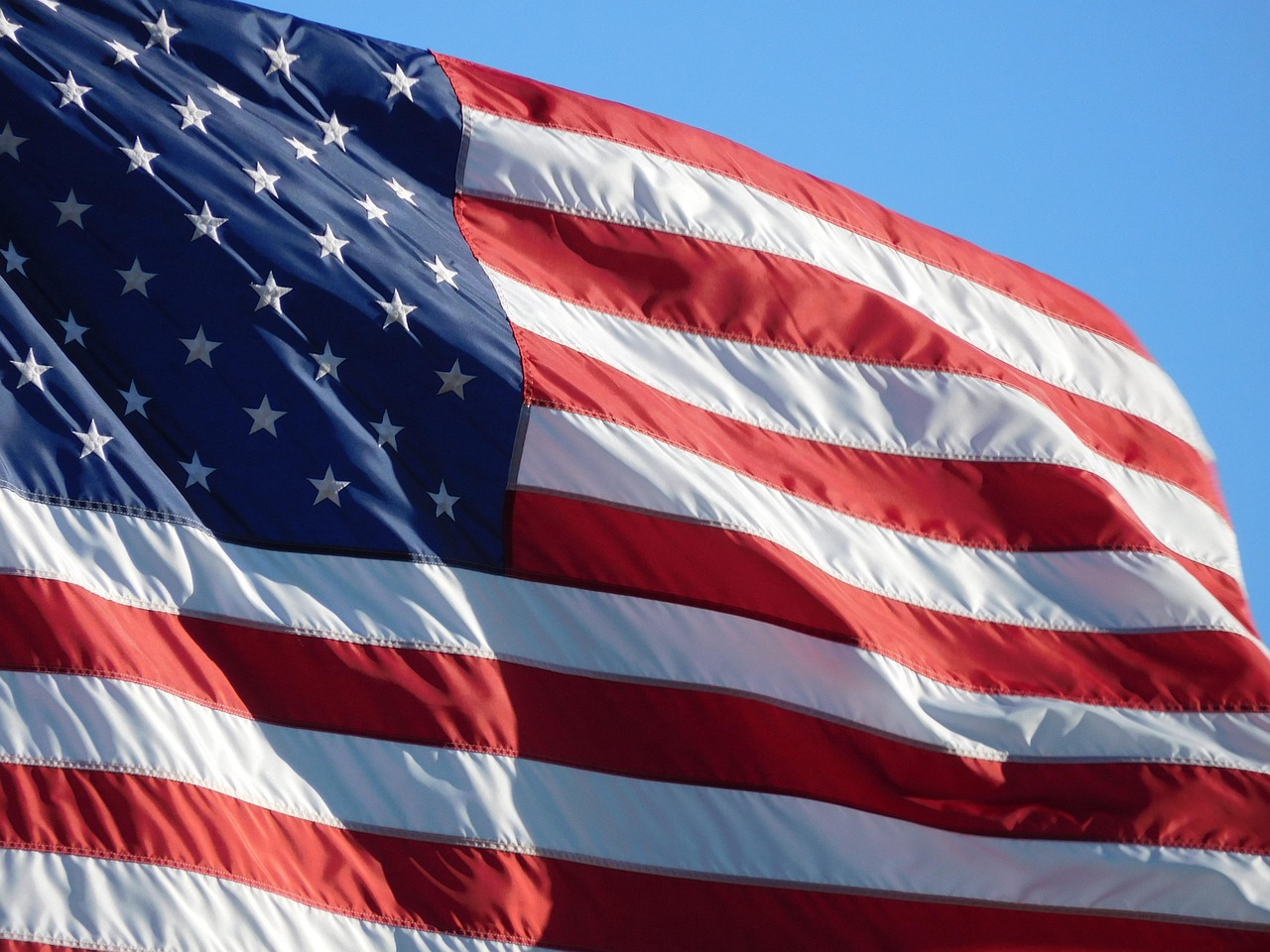
The evolution of the US flag design is deeply intertwined with moments of war and moments of honor, reflecting the nation's values, struggles, and triumphs. Throughout history, the stars and stripes have served as a symbol of unity, sacrifice, and freedom, inspiring both courage on the battlefield and pride in celebration. Each new iteration of the flag has been a sign of America's changing landscape, with each star and stripe representing a state or territory that has joined the Union.
In times of conflict, the US flag has taken on added significance. During the Revolutionary War, the Continental Army relied on the flag as a source of unity and inspiration, its design a powerful symbol of resistance against British rule. Over the years, as America fought in global wars, the flag became a rallying point for citizens on the home front, with communities displaying flags in windows and on rooftops to show support for troops abroad. This tradition continues today, with many US flag stores seeing increased demand for flags during holidays like Memorial Day and Veterans Day. Displaying these flags properly, according to established guidelines, is a way to honor those who have served and made the ultimate sacrifice.
The end of a conflict also marks a moment in the flag's life cycle when it must be replaced or retired. When an old flag becomes tattered or worn, it's important to know how to dispose of it appropriately. Many US flag stores offer recycling services, ensuring that these symbols of honor and sacrifice are given a respectful final resting place. This practice reflects a broader cultural understanding that the US flag, a powerful symbol of national identity, deserves to be treated with the same care and respect as the individuals it represents. Similarly, when purchasing a new flag, especially for outdoor display, it's crucial to consider fabric quality and durability to ensure it can withstand the elements and continue to serve as a beacon of pride and patriotism for years to come.
In times of celebration, the US flag takes on a different role, one of unity and joy. On Flag Day, for instance, communities across the nation come together to honor the flag's history and its ongoing significance. This is a time when many US flag stores offer special promotions, making it easier for citizens to display their flags proudly. Whether it's flying from homes, schools, or public buildings, the flag becomes a focal point for community spirit and national pride, a living sign to the ideals upon which the nation was founded.
Modern Era: Global Recognition and Respect
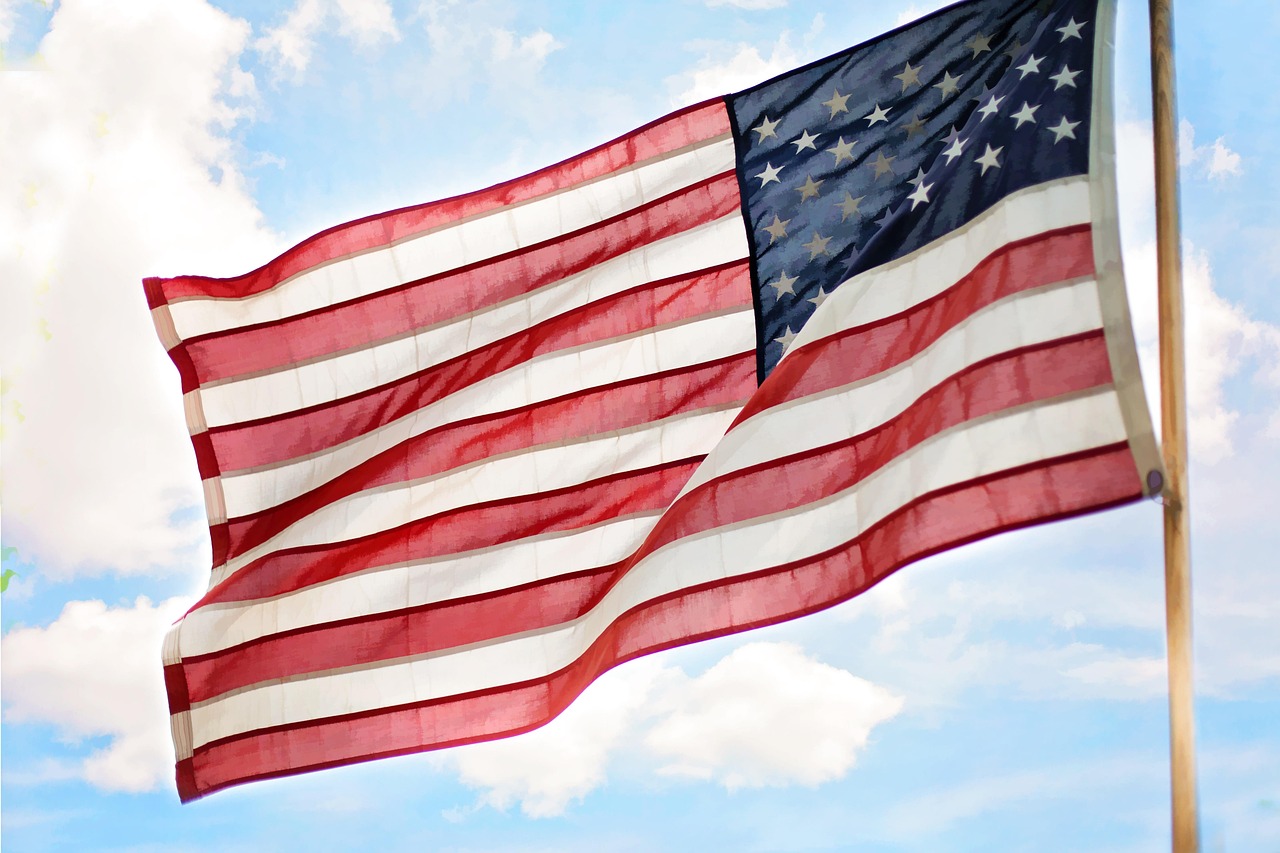
In the modern era, the US Flag Store has witnessed a significant shift in how the American flag is perceived globally. The stars and stripes have transcended borders, becoming an internationally recognized symbol of democracy, freedom, and unity. This transformation has been facilitated by various factors, including increased global travel, media coverage, and the widespread availability of large US flags for outdoor display. These flags, often seen in public spaces and private homes, serve as a tangible reminder of American values and achievements.
As the world has come to appreciate the US flag more deeply, there has been a corresponding surge in demand for US flag patches and other merchandise. Flag Day celebrations and US flag sales and discounts have become popular events, fostering a sense of national pride and community. This trend is reflected in the diverse offerings of top-rated US flag stores, which cater to both casual enthusiasts and serious collectors. Many customers opt to display their flags year-round, not just during special occasions, a shift that underscores the flag's enduring significance.
The global recognition of the US flag has also led to a greater emphasis on proper flag care. Organizations like the US Flag Store provide detailed flag care guides, ensuring that the flags displayed, both indoors and outdoors, remain in top condition. This includes advice on cleaning, storage, and replacement, reflecting a collective responsibility to honor the flag's symbolism. When considering how long a flag should remain in service, a general rule of thumb is to replace it when it begins to show signs of wear or fades in color, emphasizing the importance of maintaining its integrity.
The modern era has seen the US flag become a powerful tool for fundraising and community engagement. Veterans organizations and charity groups often host flag retirement ceremonies, where old flags are collected and disposed of properly, reflecting respect for their service and sacrifice. This practice underscores the flag's role as an unifying symbol that transcends political boundaries, fostering a sense of shared purpose and respect for those who have served.
Frequently Asked Questions About The Evolution of US Flag Design Through History
What is the current version of the US flag? The current United States flag, also known as the "Stars and Stripes," features 50 white stars on a blue field, representing the 50 states, and 13 alternating red and white stripes, symbolizing the original 13 colonies. This design has been the standard since July 4, 1960.
How has the US flag changed over time? The US flag has undergone numerous transformations since its inception. Early versions featured fewer stars and stripes, reflecting the growth of the nation. The 1818 flag law established the 13 stripes to represent the original colonies and added stars for each new state, emphasizing the country's expansion.
Why do stars on the flag represent states? The stars on the US flag serve as a visual representation of the 50 states that make up the United States of America. Since 1960, each state has been assigned a specific star position, with new stars added as states join the Union, ensuring the flag keeps pace with the nation's growth.
Can you explain the colors and their symbolism? Red, white, and blue are the primary colors of the US flag, each carrying its own symbolic meaning. Red signifies valor and bravery, white symbolizes purity and innocence, and blue represents vigilance, perseverance, and justice - core values of the American spirit.
How are new flags designed and approved? New flag designs are created and proposed by various individuals or groups, often reflecting significant historical events or national symbols. The design process involves artistic creativity and consideration of the flag's visual impact. Once approved by Congress, the new flag undergoes rigorous testing to ensure durability and then becomes an official representation of the nation.
Where can I purchase historic US flag replicas? Historic US flag replicas can be acquired from specialized flag stores, online retailers, or heritage shops. These sources offer a range of options, from authentic period pieces to modern reproductions, allowing collectors and history enthusiasts to own a piece of America's visual heritage.
The US Flag Store Revamps Its Display: A Case Study in Design Evolution
Situation
A bustling US flag store, located in the heart of the country, was facing a challenge. Their display cases, once vibrant and patriotic, were filled with outdated flags that failed to capture the dynamic nature of the nation's symbol. Customers, while appreciative of the store's selection, expressed a desire for more modern and visually appealing displays. The store manager, tasked with maintaining both inventory and customer satisfaction, knew a change was necessary.
Action
The store manager, understanding the importance of historical context and modern appeal, decided to embark on a two-step process. First, they commissioned a local artist known for their patriotic murals to create a backdrop that would serve as a canvas for the flags' evolution. This artistic touch aimed to educate and captivate customers. Simultaneously, the store restocked with the latest flag designs, including digital prints and custom options, ensuring a diverse and contemporary collection.
Result
The revitalized display became an instant hit with customers. The new artistic backdrop, depicting a timeline of significant events in American history, sparked conversations and piqued interest in the flags' symbolism. Sales increased by 25% within the first month, with customers expressing a higher inclination to purchase both traditional and modern flags. This case study demonstrates the power of updating flag displays to engage modern audiences while preserving the rich heritage of the US Flag.
A Comparative Look at US Flag Designs Through the Years
This section compares key flag design evolutions, highlighting their distinct features, ideal applications, strengths, weaknesses, and value propositions.
Quick Reference
- Research historical design changes to understand the evolution of the US flag.
- Identify key periods that influenced the flag's appearance, like the Revolutionary War era.
- Remember the symbolism behind each design, from the original 13 stars to today's 50.
- Consider state flags for insights into regional variations and unique designs.
- Understand flag etiquette to learn when and how to display it properly.
- Learn about flag production methods and the materials used over time.
- Explore contemporary interpretations and custom designs available today.
- Check flag care instructions to ensure longevity, including proper cleaning and storage.
- Learn when to replace or dispose of old flags responsibly.
The US Flag Store's rich history, from its Colonial beginnings to its current global recognition, underscores the enduring power of symbolism. Key insights reveal the evolution of the stars and stripes as a revolutionary symbol, a sign of the growth and changing landscape of the United States. As the nation expanded, the flag incorporated new states, reflecting a dynamic design that continues to adapt. Wars and conflicts further emphasized the flag's significance, both as a symbol of honor and an unifying force. Today, the US Flag Store stands as a sign of the flag's enduring value, showcasing its presence in diverse settings from homes and schools to public spaces and international diplomatic missions. This evolution highlights the importance of understanding the US flag's history and symbolism, inspiring us to preserve and honor its significance in our communities and beyond. The flag's design changes over time have not only reflected the nation's growth but also served as a source of pride and identity for Americans worldwide, making the US Flag Store a central place to explore and celebrate this legacy.
The US flag's evolution reflects the nation's growth, from diverse colonial flags to the iconic "Stars and Stripes." It has served as a powerful symbol of unity, independence, and pride, evolving to represent a changing America. Today, the US flag store matters in preserving and promoting this history, offering guidance on care, display, and the significance of its design. The flag's global recognition has sparked a surge in flag merchandise and community engagement, with events like Flag Day honoring its enduring legacy.