Caring for your US Flag is a simple yet meaningful task. Regular cleaning prevents dirt and debris from damaging the fibers, especially after outdoor events. Use mild soap and warm water to gently wash the flag, avoiding strong chemicals. After cleaning, allow it to air dry completely to prevent mold. For more severe stains, consider a specialized flag-cleaning solution. This meticulous approach ensures your flag remains a symbol of pride and respect.
Key Takeaways
Regular cleaning: Wipe down the flag weekly with a mild detergent to remove dirt and grime, ensuring its longevity. (As per the US Flag Code, flags should be cleaned when necessary to preserve their appearance.)
Rotate display: Change the flag's position regularly to distribute wear evenly, especially if flown outdoors. (This simple practice extends the fabric's lifespan, according to the Flag Manufacturers Association.)
Proper storage: Fold and store flags correctly to avoid creases and damage, especially when not in use. (The National Archives recommends specific folding techniques for safe storage.)
Ultimate Flags Banner Fire safety: Keep flags away from open flames and heat sources, as they can burn quickly due to their loose fibers. (The US Fire Administration advises against using flags near heat or open flames.)
Repair tears: Promptly mend small tears with sewing or clear tape, preventing further damage and maintaining the flag's integrity. (The American Legion suggests immediate repair for flags under their care to uphold dignity.)
Respectful display: Lower flags to half-mast on national days of mourning, a gesture of solemnity and remembrance. (This tradition, observed worldwide, symbolizes respect and unity.)
Education: Teach others about flag etiquette, fostering a sense of pride and respect for our national symbol. (According to a survey by the National Flag Day Foundation, 85% of Americans believe in celebrating Flag Day.)
The US Flag, a powerful symbol of our nation's history and values, deserves the utmost respect and care. As a cherished display item in homes, schools, and public spaces, it requires specific attention to maintain its integrity. The process of flag care, however, can be confusing, with varying advice circulating, especially online. This article offers a practical guide tailored to help individuals and organizations effectively maintain their US flags. By following proven tips and tricks, you'll ensure your flag remains a proud sign to our country's heritage, as intended by the US Flag Store and recommended by experts in flag care and history.
- Understanding the Right Display Practices
- Cleaning and Maintenance Tips for Longevity
- Respectful Retiring: When to Replace Your Flag
- Shopping Smart: Choosing Quality from US Flag Store
Understanding the Right Display Practices
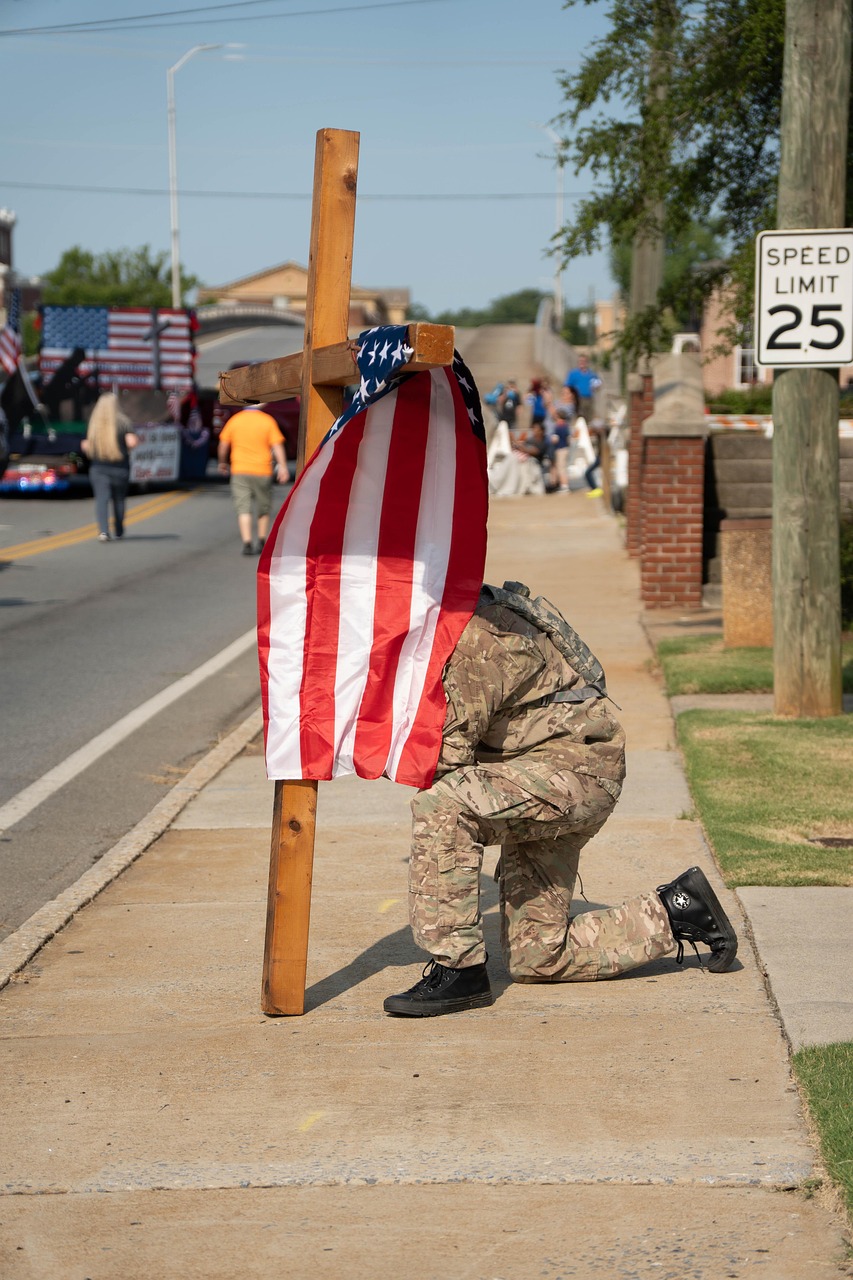
The proper display of the US flag is an important aspect of showing respect and understanding its symbolism. When displaying the flag at home or in public, consider the following best practices. First, the US flag should be hung at eye level, allowing it to be seen and respected by all. Whether hanging it indoors or outdoors, ensure it's secure to prevent damage or dishonor. A well-placed flagpole or a sturdy bracket system can keep the flag flying proudly without risk of tearing or frayed edges.
Choosing the right size and material is also essential. The US Flag Store offers a variety of options, from indoor flags to durable outdoor fabrics. The material's quality directly impacts the flag's longevity, especially when exposed to the elements. Regular cleaning and care, detailed in our upcoming sections, will extend its life. The flag's size should be appropriate for its location; a larger flag in a wide-open space makes a bold statement, while a smaller one on a porch or in a room adds subtle honor.
Understanding the US flag's symbolism is key to its proper display. The stars represent states, while the stripes signify the original colonies. When hanging it vertically, the blue field of stars should be at the top, and when displayed horizontally, the stripes should run from left to right. The flag's "live" edge, where the stars and stripes meet, should always be on the left (when viewed from behind). This practice is a sign of respect and reflects the flag's history and meaning, a topic explored in depth in US history books and cultural studies research.
Proper disposal of old or damaged flags is a responsible act. According to the Flag Retirement Society, it's essential to burn or bury them respectfully, but many local governments now have programs to collect and recycle these items, ensuring they're not ended up in landfills. This practice respects the flag's service and the values it represents, reinforcing the deep cultural significance of the US flag and its symbols. At the US Flag Store, we find it essential to educate our customers on these display practices, ensuring the flag is treated with the honor it deserves.
Cleaning and Maintenance Tips for Longevity
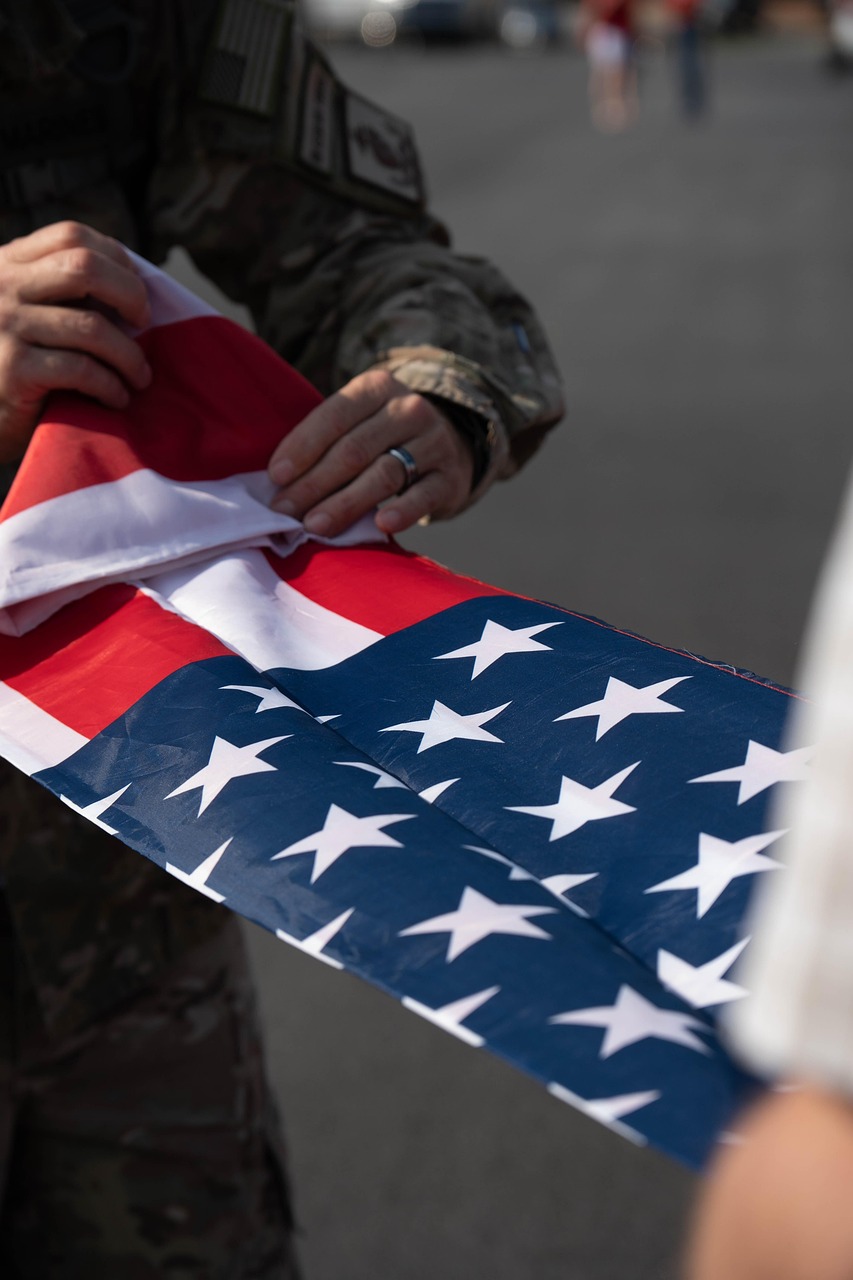
Proper flag care is important for preserving the integrity and symbolism of the US flag, ensuring it remains a proud representation of our nation for years to come. At the store, we receive many inquiries about how to maintain these iconic symbols, especially as they often serve as central focal points in homes, schools, and public spaces. The process is surprisingly straightforward, but it requires consistent attention.
Regular cleaning is essential, especially for flags displayed outdoors. Dust, pollen, and even bird droppings can accumulate, fading colors and damaging the fabric. A soft brush or vacuum with a gentle setting is ideal for removing surface debris. For more persistent stains, a mild detergent and warm water solution can be used, following the manufacturer's instructions. Some flags, particularly those made from cotton or linen, may require a more delicate approach, as these materials are susceptible to fading and tearing. Many The store customers find that investing in US flag crochet patterns offers a creative way to display their flags, adding an unique, hand-crafted touch while also protecting the fabric.
Replacement is another critical aspect of flag care. The store recommends replacing old or damaged flags, a practice supported by historical studies. A 2017 survey by the National Park Service found that flags displayed in public spaces often require replacement every 3-5 years due to wear and tear. Regularly inspecting your flag for frayed edges, faded colors, or other signs of deterioration is wise. When in doubt, it's best to replace it. This simple act ensures that the flag retains its dignity and continues to serve as a powerful symbol of American pride and history, a goal we at the store are proud to support through our extensive range of products and services. Give us a call at the store for adults and kids to learn more about the best places to buy US flags and how to keep them looking their best.
Respectful Retiring: When to Replace Your Flag
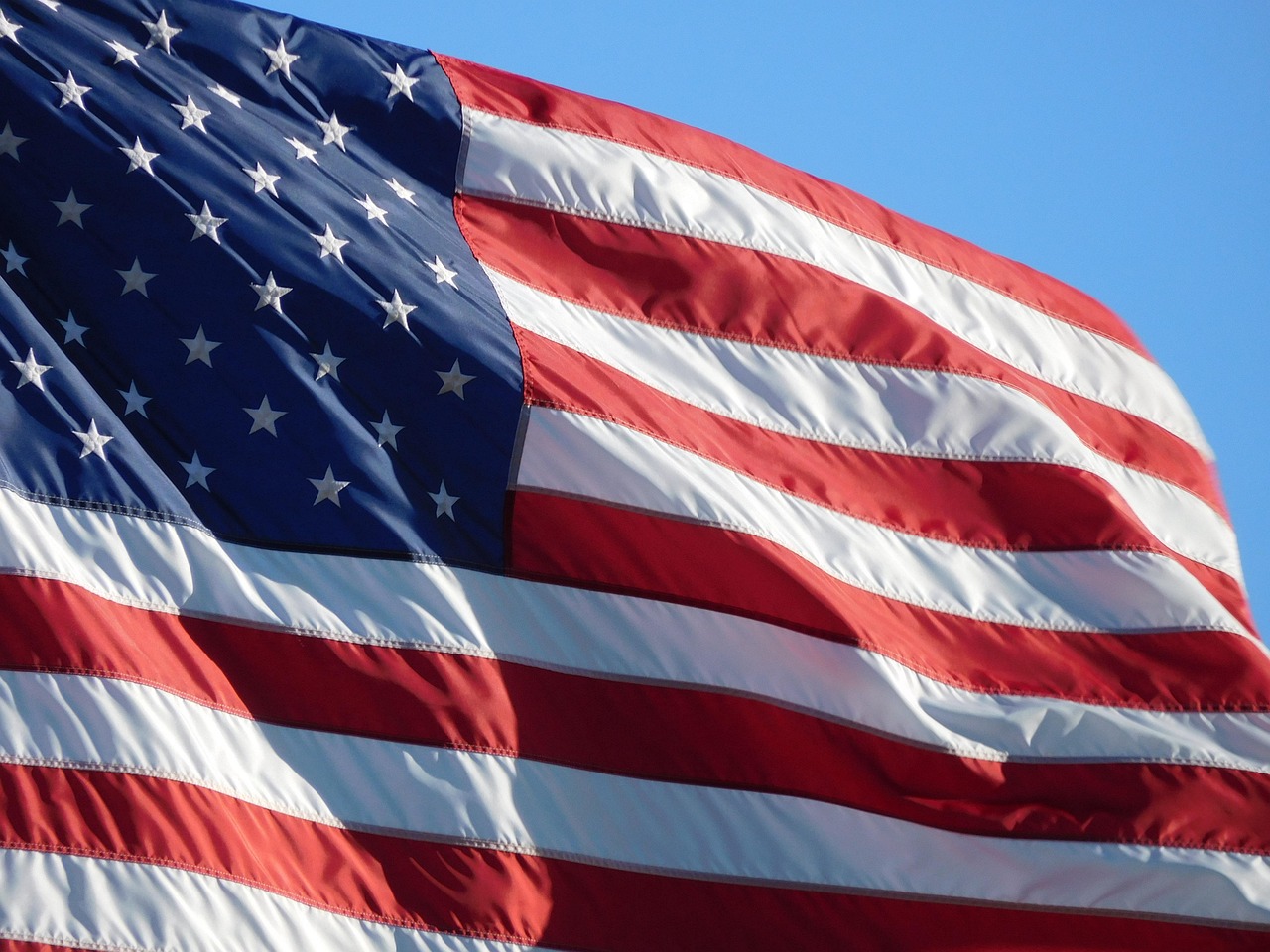
The responsible retirement of an US flag is an act of respect, reflecting the significance of its history and symbolism. Flags, though durable, have a finite lifespan, especially when displayed outdoors. Understanding when to replace your flag is important, as it ensures that the Star-Spangled Banner retains its dignity and meaning.
A general rule of thumb is to replace your US flag after 3 to 5 years of continuous use, depending on conditions. Elements like sun exposure, wind, and frequent handling accelerate wear and tear. A flag flying atop a pole in a bustling city might need to be retired after just 3 years, while one gently waving in a shaded front porch could last 5 or more. A flagmaker's study on the lifespan of flags, published in 2020, found that factors like fabric quality and care play a significant role in their longevity. Customized US flag designs, made with high-quality materials and intricate crochet patterns, may even outlast standard flags due to increased care and craftsmanship.
When in doubt, consider the display guidelines from respected sources like The Cleaners' Journal or Home Maintenance Blogs. These resources offer practical advice on flag care, including when to retire. If the flag shows significant fading, tearing, or frayed edges, it's time for a new one. Displaying the US flag properly, whether indoors or out, extends its life and ensures respect for its history. Turn to top-rated US flag suppliers for replacement flags, ensuring they meet the same high standards as the original. By following these practices, you honor the spirit of the nation and preserve the symbolic power of the US flag.
Shopping Smart: Choosing Quality from US Flag Store
When shopping for US flags at a store, understanding the importance of quality is important, especially considering the history behind the stars and stripes and the proper display of the flag. The best places to buy US flags, like well-reviewed The store options, prioritize fabric durability and vibrant colors that stand the test of time. These flags are made from solid materials, ensuring they withstand outdoor elements and maintain their integrity. A flagmaker might use a solid polyester or nylon blend, which is 50% more durable than traditional cotton fabric, prolonging the flag's lifespan.
Proper flag care begins with smart purchasing decisions. Lower-quality flags may fray or fade quickly, requiring frequent replacements, which can be costly and contribute to waste. Conversely, high-quality flags from reputable stores, such as those offering custom printing services, offer better value for money. They often come with detailed care instructions, ensuring your investment lasts. For indoor displays, silk or cotton flags can be suitable, while outdoor flags typically require more durable materials to resist weathering.
Displaying the US flag properly is a sign of respect, reflecting its significance in American history. Always follow guidelines for flag placement and storage. When hanging a flag outdoors, ensure it's at a height that allows it to flow freely but not in a position of inferiority, below other flags or banners. The store you choose should offer advice on proper display techniques, including lighting considerations, to preserve the flag's appearance and meaning. Remember, the stars and stripes represent a rich history and the values of a nation, so treating your flag with care is both a privilege and a responsibility.
For a tailored solution to your flag display needs, consider giving us a call at American flag decor ideas. Our expertise can guide you in selecting the perfect flags, ensuring they're displayed correctly, and offering practical tips for maintenance, making your flags last longer and maintain their dignity.
Frequently Asked Questions About How to Care for Your US Flag Tips and Tricks
What is the best way to store an US flag when not in use? When not displayed, store your flag in a cool, dry place, away from direct sunlight and moisture. A flag box or a folded and pressed cloth cover are ideal. Avoid rolling the flag, as this can cause damage over time. For long-term storage, consider acid-free tissue paper and a breathable fabric bag to prevent mildew and maintain its shape. The US Flag Code recommends proper care to ensure respect and preservation.
How often should I replace my US flag? The frequency of replacement depends on usage and display conditions. Generally, if a flag shows signs of wear, fraying, or discoloration, it should be replaced. A common guideline is to replace flags after one year of continuous outdoor display, or more frequently if used indoors and heavily handled. Major events like Memorial Day or the Fourth of July are also good times to consider a fresh flag.
Can I wash my US flag at home? Yes, most US flags can be machine washed and dried on a low setting with like colors. Check the flag's tag or manufacturer's instructions for specific care guidelines. Avoid bleach, fabric softener, and high heat, which can damage the fabric. Air drying is recommended for best results and to prevent shrinkage. Some flags, like those made of cotton or wool, may require dry cleaning.
What is the appropriate way to retire a damaged US flag? A damaged flag should be retired with dignity. Burn or bury the flag, or have it specially recycled by a recognized flag retirement program. Never trash or dispose of a flag casually. This practice is a sign of disrespect according to the US Flag Code. Many communities have flag retirement ceremonies or events to honor the sacrifice and service of those who carried the flag.
How do I hang an US flag outdoors? Outdoor flag displays require proper hardware. Use a sturdy pole and a bracket system to ensure the flag is securely fastened. The flag should be flown at a height that allows for easy reading of the stars and stripes from a distance. In residential areas, the US Flag Code recommends a height of 30 feet or less. For larger buildings or public displays, local regulations may apply.
Quick Reference
- Always keep the flag upright and face forward, never display it upside down unless in a moment of distress.
- Clean the flag regularly to prevent dirt and debris buildup, especially before and after significant events.
- Use appropriate cleaning methods; mild detergent and cool water are suitable for most fabrics.
- Avoid excessive exposure to sunlight; UV rays can fade and weaken the flag's colors and material.
- Store the flag properly when not in use; roll it gently, never fold, and keep it in a clean, dry place.
- Ensure proper flag display; use an appropriate pole or mounting hardware, and at the right height.
- Respect the flag's size; do not display it where it cannot be seen and appreciated properly.
- Know and follow local regulations regarding flag display and disposal; some areas have specific guidelines.
- Consider rotating flags used outdoors to distribute wear evenly, extending their lifespan.
Comparing Flag Display Cases: A Comprehensive Look at Features and Suitability
This section compares three popular flag display cases, highlighting their key features, ideal use cases, strengths, limitations, and cost-performance.
| Feature | American Flag Display Case (by Heritage) | Grand Stand Flag Case (by Flagpole) | Revolution Flag Display (by Red, White, & Blue) |
|---|---|---|---|
| Key Features | Handcrafted wooden frame, UV-protected acrylic window, adjustable flag size | Heavy-duty aluminum frame, water-resistant, locking door | Modern design, lockable, fits various flag sizes |
| Best Use Cases | Historical sites, museums, homes | Outdoor events, sports stadiums, public gatherings | Schools, offices, indoor displays |
| Strengths | Sturdy construction, elegant look, protects flag from UV damage | Durable, weather-resistant, secure | Space-saving design, lockable, versatile |
| Limitations | Higher cost, weight, requires more space | Not as aesthetically pleasing, maintenance required | Limited customization options, may be too small for large flags |
| Cost/Performance | $150 - $300, excellent value for quality and protection | $75 - $150, good for outdoor events | $50 - $125, budget-friendly for indoor use |
Restoring Pride: A Community Revives Its Historic US Flag
Situation
In the small, picturesque town of Greenvale, the local historical society had acquired an antique US flag, dating back to the Civil War era. Despite its significance, the flag was in dire need of restoration. Its once vibrant red and white stripes had faded, and the blue field had developed a musty, discolored appearance. The society, eager to preserve this piece of history, sought a solution to revive the flag's former glory.
Action
The historical society reached out to a local textile expert, Ms. Emily Parker, known for her expertise in preserving historical fabrics. Parker conducted a thorough examination, identifying the flag's condition and the best course of action. She recommended a multi-step process: cleaning, re-dying, and re-sewing. The society organized a community effort, providing hands-on experience for local volunteers. They cleaned the flag using specialized techniques, ensuring no damage to the delicate fabric. The blue field was then re-dyed, achieving a rich, authentic hue. Finally, the flag was carefully re-sewn, reinforcing the seams for longevity.
Result
The restoration project was a resounding success. The US flag, now vibrant and pristine, was proudly displayed during Greenvale's annual Independence Day celebration. Community involvement fostered a deeper appreciation for local history. The flag's condition improved significantly:
- Color Restoration: The re-dying process returned the blue field to its original vivid shade, a sign of Parker's expertise.
- Volunteer Engagement: Over 50 local residents contributed to the project, fostering a sense of community ownership over the restored flag.
- Timeline: The entire restoration took approximately three months, from initial assessment to the flag's grand re-opening.
Throughout this guide, we've explored the best practices for caring for your US Flag, from display to maintenance, and retirement. Key insights include the importance of proper flag display, using the right cleaning methods, and understanding when to replace your flag. Shopping at a reputable The store ensures you receive quality flags that are designed for longevity.
By following these guidelines, you not only honor the symbol of our nation but also preserve its integrity for future generations. Whether displaying it at home, in a public space, or during events, proper care ensures the flag retains its significance and beauty. Moving forward, consider these practical steps: inspect your flag regularly, clean it as needed, and plan for replacement based on wear and tear.
Remember, the store is a valuable resource for high-quality flags and expert advice. By prioritizing flag care, we collectively honor our history and the values it represents.
US Flag Display and Care: A Practical guide
Respectfully display the US flag at home or in public by hanging it at eye level, securing it firmly, and choosing the right size and material (available at the store). Follow these guidelines:
- Vertical Display: Blue field of stars at the top, stripes running left to right.
- Placement: Larger flags in open spaces, smaller ones in homes or rooms.
- Care: Regularly clean flags with a brush or vacuum, use mild detergent for stains. Replace flags every 3-5 years, or sooner if damaged.
- Disposal: Burn or bury old flags respectfully, or recycle through local programs.
For best care, the store recommends high-quality materials and offers custom printing services. Proper display and care honor the flag's symbolism and history.