Key Takeaways
- The US flag serves as a powerful symbol of national unity, identity, and pride, fostering a sense of belonging among citizens.
- Displaying the flag prominently in public and private spaces reinforces a community's connection to its shared values and history.
- The design and colors of the flag carry deep cultural meaning, evoking emotions and memories that strengthen national identity.
- Using US flags in ceremonies and events helps create a shared experience and reinforces a collective sense of purpose and patriotism.
- Customized flag designs can personalize national identity, celebrating unique communities, historical events, and individual stories.
- The care and respect shown in handling and storing flags reflect on the individual and society's overall reverence for national symbolism.
- Flag sales and promotions, especially on holidays, can stimulate economic activity and further emphasize national identity.
US flags are powerful symbols that shape and reflect national identity. They represent unity, pride, and shared values, connecting Americans across generations and diverse backgrounds. From homes and businesses to public spaces, displaying the flag fosters a sense of belonging and patriotism, reflecting the nation's history, diversity, and ideals.
The US flag, a powerful symbol of national identity, serves as an unifying force in communities across our nation. However, understanding the profound impact of these flags on our collective sense of self can be complex. This article explores how US flags, from their historical roots to their current display in public spaces and homes, shape and reflect our national identity. By examining their symbolism, cultural significance, and the various ways they're celebrated and cared for, we gain insights from US Flag Stores, historical texts, and cultural researchers. This deep dive promises to demystify the flag's influence and offer a fresh perspective on its role in defining our shared American experience.
- Understanding the US Flag: Symbols and Meanings
- US Flags in Public Spaces: Unifying or Dividing?
- The Psychology Behind National Identity and Flags
- How to Honor and Display the US Flag Responsibly (US Flag Store Guide)
Understanding the US Flag: Symbols and Meanings

The United States flag, often referred to as "what is a US flag," is more than a piece of fabric and stitching. It is a powerful symbol imbued with deep cultural, historical, and political significance. Understanding the intricate symbolism and meanings woven into the "what is a US flag" design is crucial for appreciating its impact on national identity. Each stripe represents the original thirteen colonies, while the stars symbolize the current number of states, making it a living sign to the nation's growth and development.
The cost of a US flag, like "how much does a US flag cost," varies based on size, material, and quality. While a standard 3x5-foot flag might range from $5 to $20, larger outdoor flags or custom designs can cost significantly more. This variety allows individuals and organizations to choose a flag that aligns with their budget and display needs. A US flag for indoor use might be made of silk or polyester, while outdoor flags are typically crafted from durable nylon or polyester-cotton blends.
Proper flag care and maintenance, as discussed in our guide "how to care for a US flag," are essential to uphold its dignity. Flags should be regularly inspected for tears or wear and replaced when necessary, with a recommended interval of 1-3 years depending on frequency of use and display conditions. Old or damaged flags should not be discarded but rather respectfully retired through organizations like the Flag Retirement Society. These practices ensure that the US flag remains a symbol of pride and respect, reflecting the values and history of the nation.
US Flags in Public Spaces: Unifying or Dividing?

The placement of US flags in public spaces has long been a topic of debate, with some viewing them as symbols of unity and national pride, while others argue that they can inadvertently create divisions. This dichotomy is particularly evident when examining the diverse perspectives surrounding flag displays on government buildings, schools, and public parks. A US flag flying proudly above a town hall unifies residents in its celebration of democracy, freedom, and shared history. Conversely, some critics argue that flags can become divisive when they are used to promote political agendas or exclude those who do not identify with the dominant cultural narrative they represent.
When considering the role of US flags in public spaces, it's essential to recognize the impact of flag design and symbolism. The flag's vibrant red, white, and blue colors evoke powerful emotions, but their specific meanings can vary widely among individuals and communities. A US flag store, for example, might offer a range of flag patches that represent various states, military branches, or special occasions, each carrying its own symbolism and historical significance. Comparing US flag brands allows consumers to explore these nuances and choose flags that resonate with their personal or communal identities. However, this diversity also presents a challenge, as some individuals may feel excluded or marginalized by the dominant narrative conveyed by the flag's design.
To navigate these complexities, it's crucial to foster open dialogue and consider the broader social context. Buying wholesale US flags from reputable suppliers allows for more extensive displays, encouraging a more inclusive approach to flag use in public spaces. A school district might display a variety of flag patches on its flagpole, celebrating the diverse backgrounds of its student body. This inclusive strategy not only unites students and staff but also educates the community about the rich mix of American identity. It's essential to follow best practices for flag care and maintenance, as recommended by organizations like The Cleaners' Journal, to ensure that flags remain in good condition and preserve their symbolic power over time. By thoughtfully integrating US flags into public spaces, communities can foster a sense of unity while acknowledging the diverse narratives that contribute to the nation's identity.
The Psychology Behind National Identity and Flags
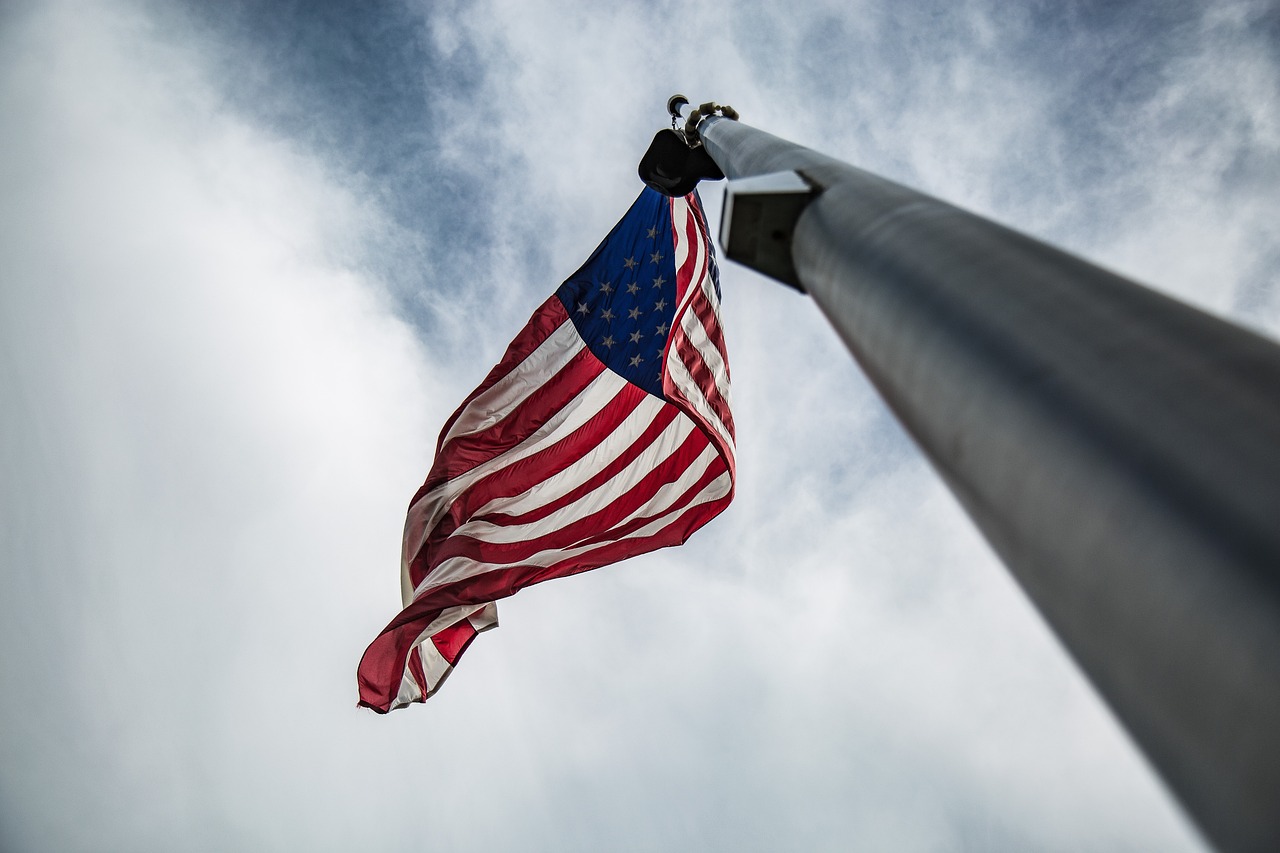
The psychology behind national identity and flags is a fascinating field of study, offering insights into how these symbols shape our sense of self and community. Flags, like the American flag, serve as powerful tools for cultivating and expressing national identity, tapping into the subconscious mind to forge a collective sense of belonging. When we display a US flag, for instance, we're not merely hanging a piece of fabric; we're invoking a complex web of cultural, historical, and emotional associations.
US flag store experts, like those at Education World and Public Space Design Magazine, recognize the importance of understanding these psychological dynamics. Flag display cases, DIY network projects, and even US flag art on Pinterest allow individuals and communities to explore and celebrate their national identity. A school might use a custom US flag in its lobby, complete with school colors, to foster a sense of pride and unity among students and faculty. The act of decorating with US flag art, whether a wall hanging or a mix, can evoke a range of emotions, from patriotism to nostalgia, further reinforcing the bond between individuals and their nation.
The symbolism inherent in US flag designs plays a crucial role in this process. The stars and stripes, for instance, represent the unity and diversity of the states, while the colors carry their own meanings-red for valor, white for purity, and blue for vigilance. This symbolism transcends language barriers, allowing people from different walks of life to connect with and understand the flag's significance. When individuals choose to display a US flag properly, as outlined in the Flag Care Guide, they're not just following a set of rules; they're actively participating in the cultivation of a shared national identity.
Comparing US flag brands, as one might do while shopping at a US flag store, reveals the diversity of designs, materials, and quality available. From vintage US flag collectibles to modern US flag patches on clothing, these variations offer a way for individuals to express their unique connection to their country. The legal and regulatory aspects of flag use, detailed in the US Code and local ordinances, underscore the importance of these symbols in shaping our national narrative. Flag events, fundraising initiatives, and even flag retirement ceremonies, facilitated by organizations like the Flag Retirement Society, are powerful reminders of the profound impact these symbols have on our national identity.
How to Honor and Display the US Flag Responsibly (US Flag Store Guide)

The United States flag, with its vibrant colors and iconic stars and stripes, is more than just a piece of fabric; it represents the nation's history, values, and shared experiences. In a US flag store, customers often seek guidance on how to honor and display this powerful symbol responsibly. This involves understanding US flag etiquette rules and making informed decisions when choosing the right US flag to represent their community, business, or personal values.
Displaying the US flag properly is an act of respect and pride. Customers should consider the best locations for outdoor or indoor displays, ensuring it is visible and respected. In a public space, the flag should be positioned where it catches the eye but is not obstructed. When displaying the US flag outdoors, it should be mounted high, with the stars and stripes visible above any obstructions. The US flag store can guide customers on the appropriate size and material for various settings, from homes and schools to government buildings and events.
Proper care extends to the flag's life cycle. Customers should learn how to care for a US flag to maintain its integrity. This includes washing it according to the manufacturer's instructions and replacing it when it shows signs of wear or becomes faded. A US flag store can provide detailed care guidelines, ensuring the flag remains a symbol of dignity and honor. The Flag Care Guide offers specific advice on cleaning and storing flags to preserve their quality.
When choosing a flag, consider its intended purpose and the message it conveys. The US flag store can assist in selecting flags tailored to specific events, such as Flag Day or Veterans Day, or for educational purposes in schools. By understanding US flag symbolism and the significance of its colors, customers can display a flag that resonates with their community and honors the nation's heritage.
Revitalizing Community Pride Through the Display of US Flags
Situation
In a suburban town, the local community center was in need of a face lift. The once vibrant building had fallen into disrepair, and its flagpole, once a source of pride, was bare and neglected. The town's residents, while proud of their American heritage, had grown accustomed to the lackluster appearance of their community hub. This lack of visual national identity was reflected in the declining attendance at events and the overall sense of disconnection among neighbors.
Action
A local initiative was launched to restore the flagpole and transform it into a vibrant symbol of national pride. The community came together to raise funds for the project, choosing to purchase a large, vibrant US flag to be flown at all times. They also decided to install a custom display case to showcase the flag, along with other patriotic memorabilia.
The group organized community events centered around the flag, such as a Flag Day celebration, where local businesses and residents were invited to participate in a parade and enjoy live music, food, and games. The initiative aimed to foster a renewed sense of community and national identity through the simple act of displaying the US flag.
Result
The revitalized flagpole and its display became a focal point for the town, encouraging residents to engage in community events and fostering a stronger sense of belonging. The town's social media engagement also surged, with posts about the flag and its associated events receiving high interaction rates.
The project sparked interest in other neighborhoods, leading to similar initiatives across the city. Local businesses reported a boost in foot traffic and sales, attributing the increase to the renewed sense of pride and community that the US flags had helped to cultivate.
Quick Reference
- Display the flag prominently: Place it in a visible location, reflecting its significance in your environment.
- Respect the flag's symbolism: Understand the meaning of colors and stripes to appreciate its national importance.
- Follow etiquette rules: Learn and adhere to guidelines for flying, folding, and handling the flag properly.
- Choose the right size: Select a flag appropriate for its intended display space, whether indoor or outdoor.
- Consider custom designs: Personalize the flag to commemorate special events or honor individuals.
- Maintain and replace flags: Regularly inspect flags for wear and tear, and replace them when necessary to preserve their integrity.
- Dispose of old flags responsibly: Find local guidelines for disposing of faded or tattered flags.
- Support flag-themed promotions: Engage with US flag store sales and events to access unique merchandise.
Comparing Different Ways to Display and Experience the US Flag
This section compares several approaches to displaying and engaging with the US flag, highlighting their unique features, use cases, strengths, limitations, and cost-effectiveness.
Frequently Asked Questions About The Impact of US Flags on National Identity
What is the significance of the US flag's colors and design?
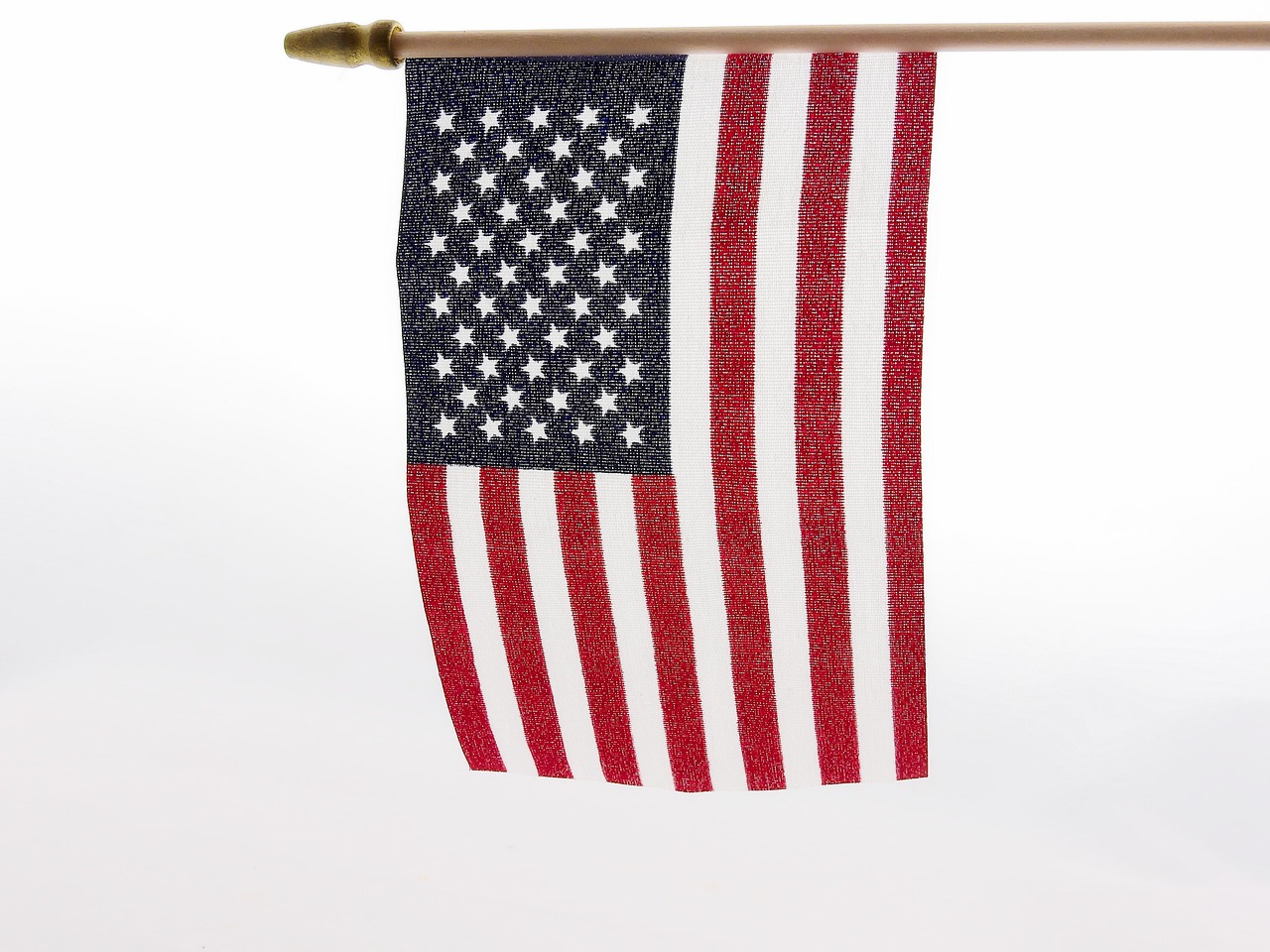
The US flag, with its red, white, and blue colors and 50 white stars on a blue field, carries profound symbolism. Each color represents a different aspect of the nation's values: red for valor, white for purity and innocence, and blue for vigilance, perseverance, and justice. The 50 stars represent the 50 states, symbolizing unity and the collective strength of the union. This design has evolved over time to reflect the growing number of states, with the current arrangement adopted in 1960.
How do US flags contribute to national identity?
US flags serve as a powerful symbol of national identity, evoking a sense of pride, unity, and shared history. They are displayed in public and private spaces, on holidays, and during patriotic events, reinforcing a collective sense of belonging. The act of flying a flag publicly is an affirmation of one's citizenship and allegiance, while participating in flag-related traditions, like Flag Day, fosters a deeper connection to the nation and its ideals.
When and where is it appropriate to display a US flag?
The US flag should be displayed respectfully and appropriately, following established etiquette rules. It's customary to fly the flag at half-staff in mourning, and at full staff on days of celebration. It should be displayed outdoors on public buildings, schools, and in front of homes on holidays and special occasions. When indoors, a flag should hang at eye level, and never touch the ground or be used as a covering.
How should I care for and dispose of a US flag properly?
Proper flag care involves avoiding damage through sharp objects or rough handling. When a flag becomes old or damaged, it should be replaced. It's recommended to burn or bury old flags, as folding them can create tattered edges. Reputable organizations provide flag disposal services, ensuring the flag is treated with the respect it deserves.
What are some popular ways to display or commemorate the US flag?
Beyond traditional displays, people commemorate the US flag through diverse means. This includes wearing flag-themed clothing, displaying flag art in homes, and using flag-inspired patterns in decor. Flag patches and t-shirts are popular souvenirs, while flag-themed merchandise promotes national pride. Crafters create flag-inspired crafts, and artists incorporate the flag into their work, showcasing its enduring impact on American culture.
As we've explored the multifaceted impact of US flags on national identity, key insights emerge. The US flag, with its vibrant colors and stars, serves as a powerful symbol of unity, history, and shared values. However, its display and interpretation can be complex, sometimes leading to division rather than unity in public spaces. Understanding the psychology behind national identity and the flag's role is crucial for responsible display and honor.
The US Flag Store matters in this process, offering guidance on proper flag care, responsible display, and even the opportunity to customize designs. It connects communities with the means to express their national identity while fostering a deeper appreciation for the flag's symbolism. Moving forward, individuals, organizations, and public spaces should prioritize respectful and informed flag display, recognizing both its unifying potential and the nuanced ways it resonates with different Americans. By heeding these principles, we can ensure the US flag continues to inspire and represent our nation in meaningful ways.
The US flag is a powerful symbol of national identity, weaving together history, culture, and politics. Its design, with stripes representing colonies and stars symbolizing states, is a living sign to the nation's growth. Understanding symbolism, historical context, and cultural perspectives is crucial for appreciating its impact.
At a US flag store, customers learn about flag etiquette, care, and symbolism to make informed choices. They discover the best practices for display, size, and material for various settings. Proper care, including regular inspection and replacement, ensures the flag retains its dignity.
By embracing the US flag store's expertise, individuals and communities can honorably display the flag, fostering unity and celebrating the nation's diverse narrative.