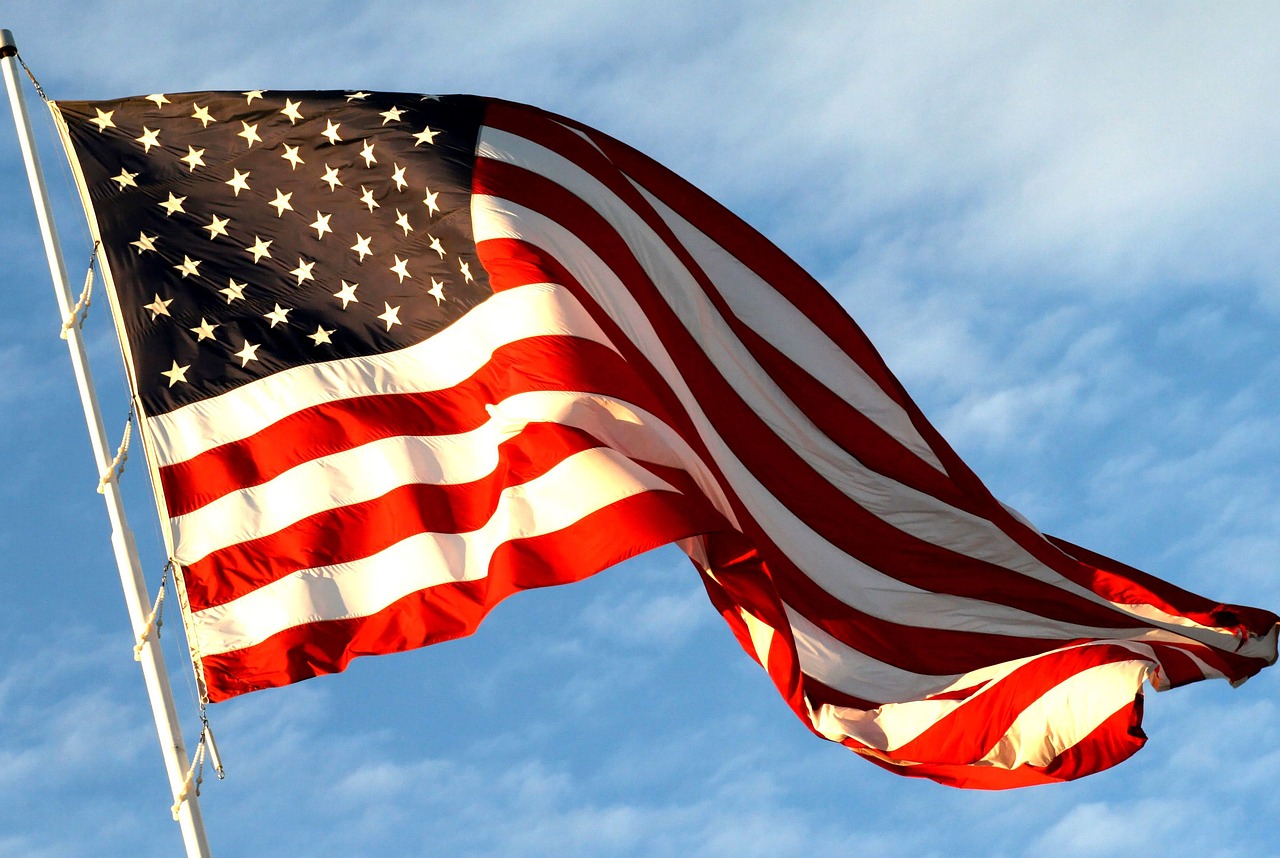
Teaching children about the US flag's history is essential. Start with the simple story of its creation and the symbolism of the stars and stripes. Discuss the flag's role in significant moments from America's past, like the Revolutionary War. Encourage kids to explore the flag's evolution and how it reflects the country's growth. Use visual aids and interactive activities to make learning engaging and memorable.
Key Takeaways
Start with the basics: Teach children the symbolism of each star and stripe on the flag, fostering an early understanding of its historical significance.
Incorporate stories: Use narratives and historical accounts to bring the flag's journey to life, making it engaging and memorable for young learners.
Encourage hands-on activities: Crafting flag-themed projects or games can reinforce learning and make the experience interactive and fun.
Ultimate Flags Banner Explore flag etiquette: Teach children proper flag display and handling, instilling respect and pride in American symbolism.
Connect to current events: Relate flag history to contemporary issues, helping children understand its relevance in their own lives.
Visit a US flag store: These stores offer a wealth of resources, including educational materials and unique flag-themed merchandise to enhance learning.
Promote patriotism: By understanding the flag's history, children can develop a deeper sense of pride and appreciation for their country.
Teaching children about the US Flag is more than just showing them its design; it's about instilling pride in their country and understanding the rich history behind it. However, effectively conveying the flag's significance can be challenging, especially with limited educational resources. This article, backed by insights from top institutions like Education World and US History books, offers a practical guide for educators and parents, leveraging the expertise of a US Flag Store to provide hands-on learning experiences. We'll explore engaging methods, historical context, and practical tips to make teaching the US Flag's story both meaningful and memorable for young minds.
- Understanding the US Flag's Symbolism at US Flag Store
- Exploring Flag History: Past to Present
- Design Elements: Stars, Stripes, and Their Meanings
- Flag Etiquette: Rules for Respectful Display
- Celebrating Flag Day: Traditions and Activities
- Incorporating Flag Education in Daily Life
Understanding the US Flag's Symbolism at US Flag Store

Understanding the US Flag's Symbolism at the US Flag Store
The US flag, with its vibrant colors and stars, is more than just a piece of fabric; it's a powerful symbol steeped in history and meaning. At the US flag store, we often get the opportunity to educate both adults and children about the significance behind each stripe and star. This knowledge is crucial, as the flag represents a nation's values, struggles, and triumphs. When teaching children about the US flag, start by highlighting its basic design: thirteen alternating red and white stripes, representing the original thirteen colonies, and fifty white stars on a blue field, symbolizing the 50 states.
Each star has a story, representing a state's entry into the union, while the stripes serve as a constant reminder of the nation's unity and the diverse backgrounds of its people. We encourage visitors to our US flag store to explore the deeper symbolism through vintage US flag collectibles and customized US flag designs. The "Old Glory" flag, with its simple yet striking design, has become an iconic symbol of American pride and patriotism. We also recommend engaging with children through hands-on activities, like creating their own flag using US flag merchandise for adults and kids. This allows them to experiment with colors and symbols, fostering a deeper understanding of the flag's significance.
Discussing the flag's role in historical events, such as its display during times of war or peace, can provide valuable context. At the US flag store, we offer a range of US flag care and maintenance resources, ensuring that children also learn how to properly display and respect the flag. By combining education with practical engagement, we aim to instill a deep sense of pride and appreciation for the US flag, its history, and its enduring symbolism. Find us at how to buy American flags to explore these concepts further and bring the rich history of the US flag to life for the next generation.
Exploring Flag History: Past to Present

Exploring Flag History: Past to Present
Teaching the history of the US flag is an engaging journey that connects children to their nation's heritage and fosters a sense of pride. It's a narrative that spans centuries, from the revolutionary days of the early republic to the present, where the flag remains a powerful symbol of freedom and unity. In this section, we guide educators through the process of unraveling the flag's rich history, offering insights that can be brought to life through visits to local us flag stores and creative activities.
Start by introducing children to the origins of the flag, beginning with the Continental Army and the need for a symbol that represented the new nation. Discuss the design of the original flag, known as the "Betsy Ross Flag," and how it evolved over time. This is a great opportunity to encourage students to research and create their own interpretations of the flag's symbolism, perhaps crafting their own versions using American flag wall hangings as inspiration. Flag Day US flag store promotions can also be leveraged to introduce children to the significance of this annual celebration, fostering an appreciation for the flag's history and its role in community events.
As students examine deeper, they can explore the impact of the Civil War on the flag, leading to the addition of the stars and stripes we recognize today. The story of the flag's design and the experiences of ordinary people who contributed to its creation can be captivating. The story of how the 48-star flag was designed and adopted offers a glimpse into the nation's growth and changing landscape. Children can learn about the role of US flag gifts for veterans in honoring service members and their families, further emphasizing the flag's significance beyond its aesthetic appeal.
Through hands-on activities, such as creating their own flag designs or researching historical flag-related events, students can develop a deeper understanding of the US flag's evolution. Visiting a us flag store can provide a tangible connection to the past, allowing children to examine different flag designs and learn about the materials and techniques used over time. These experiences not only enrich their historical knowledge but also cultivate an appreciation for the flag's ongoing relevance in contemporary society.
Design Elements: Stars, Stripes, and Their Meanings

Teaching children about the design elements of the US Flag, including the stars and stripes, is a powerful way to impart important historical and cultural knowledge. The flag's symbolism is rich and complex, offering a unique lens into America's values and past. At our US Flag Store, we often emphasize these meanings when engaging with young audiences, as we believe it's never too early to foster a sense of national pride and understanding.
The stars and stripes, the most iconic features of the flag, hold specific significance. Each star represents one of the 50 states that make up the United States of America, while the 13 stripes alternate red and white, symbolizing the original 13 colonies that declared independence. Understanding these symbols is crucial for children to grasp the nation's foundation and the unity that the flag represents. We encourage educators and parents to discuss the meaning behind each element, creating a memorable learning experience. A lesson plan focusing on a specific state's history and its representation on the flag can be both engaging and educational.
When teaching children about the US Flag, incorporating visual aids can be highly effective. Our US Flag Store offers a range of products to support this, such as American flag t-shirts for sale, which can serve as conversation starters. Ordering personalized US flags online allows children to connect with the flag on a more personal level, perhaps even designing their own flag to represent their school or community. For veterans, receiving US flag gifts, like specially crafted flags or t-shirts, can be a meaningful way to honor their service. Visiting us at the US Flag Store when planning flag displays or events ensures access to a wealth of knowledge and resources to enhance these educational experiences.
Flag Etiquette: Rules for Respectful Display

Teaching children about the US flag is an essential part of instilling a sense of national pride and understanding our nation's history. One crucial aspect of flag education is learning and following US flag etiquette rules for respectful display, which goes beyond simply knowing the colors and stripes. This section provides practical guidance on US flag symbols meaning and proper flag care, drawing from historical context and expert resources.
US flag etiquette rules are designed to ensure the flag is displayed properly and with the dignity it deserves. The flag should never be flown at half-staff unless a national disaster or tragedy has occurred. It should also be raised briskly in the morning and lowered solemnly at dusk, a practice observed by many schools and public institutions. When displayed indoors, the flag should hang vertically, with the blue field at the top and left. Outdoors, it should be mounted atop a pole, with the stars facing upward. These rules reflect the flag's symbolic value and the respect due to our nation and its citizens.
Comparing US flag brands and learning about their US flag etiquette rules can also be an educational experience. Some manufacturers offer specific guidelines for proper flag display and care, ensuring the longevity and integrity of the flag. High-quality flag fabric manufacturers often provide care instructions, including recommendations for cleaning and storage, to preserve the flag's vibrant colors and durability. Visiting us at decorate with US flag art anytime, you can find a range of resources and products that not only celebrate the flag's history but also educate children about its proper display and symbolism.
Proper flag care is another critical aspect of US flag etiquette rules. The Flag Care Guide from The Cleaners' Journal offers detailed advice on cleaning and maintaining flags, including specific guidance for different types of fabric. While cotton flags can be hand-washed or machine-washed, nylon flags require special care to prevent shrinkage or discoloration. Understanding these nuances ensures that children learn to treat the flag with the respect it deserves, even in their everyday interactions.
Celebrating Flag Day: Traditions and Activities

Celebrating Flag Day is an excellent opportunity to teach children about the rich history and symbolism behind the US Flag. This special day, observed annually on June 14th, offers educators and parents a chance to engage young minds with meaningful activities and discussions. At the us flag store, we understand the importance of instilling a sense of pride and respect for our nation's symbols, and we've compiled some unique and educational ideas to make this Flag Day memorable.
One of the most effective ways to teach US Flag history is through interactive traditions. Encourage children to participate in local Flag Day parades or organize a small gathering in your neighborhood. Displaying and explaining the flag's significance during these events can be eye-opening. Walking through the streets with American flag wall hangings adorning buildings or homes can spark conversations about the flag's colors and stripes, and what they represent. You can also involve kids in creating their own patriotic decorations, such as flag-themed crafts or banners, using materials from an us flag store. This hands-on approach not only fosters creativity but also helps them connect with the flag on a personal level.
To outdoor activities, indoor educational experiences are invaluable. Set up a small exhibit or display in your classroom or at home using items from where to purchase patriotic decor. This could include framed historical flag images, dioramas depicting different flag designs through the years, or even a collection of best US flag prints and paintings. Use this visual aid to narrate the story of the flag's evolution, from its early days as a simple design to its current iconic status. Engage children in discussions about the flag's symbolism, such as the meaning behind the stars and stripes, and how it has represented different aspects of American culture over time. For a more immersive experience, consider hosting a Flag Day workshop or inviting a local historian to share their knowledge, making it a truly special and educational event.
To further enhance the learning experience, consider incorporating creative writing exercises or art projects centered around the flag. Encourage children to write stories or poems inspired by the US Flag or create their own flag designs, perhaps focusing on what they think the flag should represent in the future. This exercise not only allows them to express their creativity but also deepens their understanding of the flag's significance. For a more practical approach, teach children how to properly care for and display the flag, including the rules for when and how to fly it. This knowledge, coupled with the historical and cultural context, will ensure a lasting appreciation for the US Flag.
Incorporating Flag Education in Daily Life

Incorporating flag education into daily life is a powerful way to teach children about the US Flag, its history, and its significance. This hands-on approach can make learning engaging and memorable. By integrating flag knowledge into routine activities, you create a natural connection between the child and their country's symbol. Visiting a local US flag store can be a starting point, offering a tangible experience with various flag designs and colors. This sensory engagement piques curiosity and opens doors to discussions about the flag's symbolism.
When teaching the history behind the stars and stripes, consider everyday moments. On special occasions like Flag Day, a trip to a US flag store for a new flag or accessories can become a lesson in itself. You can point out the flag's origins, the meaning of each stripe and star, and the significance of different colors. The significance of US flag colors is a crucial aspect to emphasize, as it reveals the flag's evolution and the values it represents. This simple ritual can foster a deeper understanding and appreciation for their nation's emblem.
Another practical way to educate children about flag etiquette is by discussing when to display the flag. Teach them that the US Flag should be flown proudly and respectfully, often on national holidays and significant days declared by local ordinances or federal law. Many communities mandate flag-flying protocols for Memorial Day or Veterans Day. Understanding when should I fly the US flag correctly instills a sense of civic responsibility and patriotism from a young age.
Remember, these daily interactions can be enhanced by creative activities. Encouraging children to craft their own flag designs, perhaps inspired by different states or historical periods, can spark imagination and critical thinking. This process can also lead to discussions about the flag-making process, the role of flags in various cultures, and the importance of preserving historical symbols. By making flag education an integral part of their routine, you empower children to become knowledgeable and proud citizens.
Frequently Asked Questions About How to Teach US Flag History to Children
What is the best age to start teaching US Flag history?
While the ideal age can vary, many educators recommend introducing basic concepts of flag history to children as young as 5 or 6 years old. This can involve simple discussions about symbols and colors, and showing them pictures of the flag. As children grow older, around 8 to 10 years, you can examine deeper into the flag's origins, the meaning of its design elements, and its role in American culture. The key is to tailor the level of complexity to the child's age and maturity.
How can I make flag history engaging for young children?
Children are naturally curious and visual learners. Use interactive activities like flag crafts, coloring pages featuring the stars and stripes, or even simple games. Create a scavenger hunt where kids have to find objects around the house that represent the flag's colors or symbols. Storytelling is also powerful; share legends and myths surrounding the flag's creation and design. These hands-on and creative approaches will make learning about the US Flag more enjoyable and memorable.
What are some key historical facts about the US Flag I should share?
The US Flag, known as "The Stars and Stripes," has undergone 27 official changes since its original design in 1777. Each change reflects the growth of the nation with new states joining the Union. Teach children about the significance of the stars, which represent the states, and the stripes, which stand for the original 13 colonies. Explain the history behind popular flag myths, like the story of Betsy Ross sewing the first flag. This encourages critical thinking and a deeper understanding of the flag's symbolism.
How can I discuss the flag's symbolism with children?
Flag symbolism can be abstract for young minds, so use simple, relatable examples. Explain that the red stands for courage, white for purity, and blue for vigilance. Link these colors to everyday experiences, like red as the color of a fire truck or brave firefighters, white as snow, and blue as the sky. You can also discuss how the flag's design has evolved to represent new ideas and values as the nation changed.
What are some age-appropriate ways to teach flag etiquette?
Flag etiquette, or protocol, is important to understand and respect. For younger children, focus on basic rules like always showing proper respect when the flag is displayed, never using it for clothing or advertising, and never allowing it to touch the ground. You can also teach them when to fly the flag at half-mast, a solemn practice to honor the dead. As children get older, discuss the flag's proper display during ceremonies and on specific national holidays.
Why is understanding flag history important for children?
Teaching US Flag history to children fosters a deeper sense of patriotism and appreciation for their country. It helps them understand their place in American history and the values the flag represents. Learning about the flag's evolution can encourage children to think critically about change and unity in society. This knowledge is essential for developing a strong sense of civic responsibility and pride in their nation's heritage.
Comparing Approaches to Teach US Flag History to Children
This section compares different methods for effectively teaching children about the history and significance of the US flag, focusing on their unique strengths and how they can best be utilized.
| Feature | Traditional Classroom Lessons | Interactive Online Platforms | Hands-On Activities and Field Trips |
|---|---|---|---|
| Key Features | Teacher-led presentations, textbooks, and standardized curriculum. | Digital media, interactive games, and virtual tours. | Hands-on experiences with flags, historical sites, and community events. |
| Best Use Cases | Suitable for structured learning environments with set curriculum goals. | Enhances engagement and comprehension for tech-savvy learners. | Ideal for experiential learning and fostering a sense of community connection. |
| Strengths | Provides a structured framework for learning and allows for in-depth analysis of historical documents. | Offers accessibility and flexibility, allowing children to learn at their own pace. | Fosters practical understanding and builds cultural awareness through direct experiences. |
| Limitations | Can be passive and lacks interactive elements, potentially leading to reduced student engagement. | Requires access to technology and internet connectivity, potentially excluding some students. | Depends on available resources and access to local historical sites. |
| Cost/Performance | Generally low cost for teachers to implement, but may require additional resources for specialized materials. | Varies; some platforms offer free access, while others require subscription fees or in-app purchases. | Can be cost-effective for schools or communities to organize, but may involve travel expenses. |
Engaging Young Minds: A US Flag History Education Initiative
Situation
In a suburban school district, teachers struggled to engage students in learning about American history, particularly when it came to the significance and symbolism of the US flag. Many students found the topic uninteresting or too abstract, leading to low participation and understanding. This lack of engagement was evident during flag-related units, often resulting in disinterested looks and quiet classrooms. The school district aimed to change this dynamic by introducing an innovative teaching method that would spark curiosity and make US flag history accessible and exciting for children.
Action
The district implemented a hands-on, interactive approach, creating a US flag store within the school grounds. This dedicated space featured various US flags, from historical to current designs, along with educational materials. Students were divided into small groups and assigned different tasks related to the flag's history and symbolism. Activities included flag construction using fabric and craft materials, research projects on specific flag designs, and discussions on flag etiquette and its role in American culture. Teachers facilitated these activities, providing insights and answering questions.
Result
The initiative proved successful, as evidenced by several key metrics. The US flag store became a popular learning hub, fostering a deeper connection between students and their country's rich heritage.
Quick Reference
- Engage with age-appropriate resources: Select books, videos, and interactive tools designed for children to grasp historical concepts.
- Start with the basics: Begin with the symbolism of the stars and stripes, then examine the flag's evolution and significance.
- Incorporate storytelling: Use narratives about key historical figures and events to make the past more relatable and memorable.
- Encourage questions: Create a safe space for children to inquire about the flag's meaning, fostering active learning.
- Connect to current events: Draw parallels between the flag's history and contemporary issues to make the learning relevant.
- Utilize hands-on activities: Crafting flag-themed art or role-playing historical scenarios can deepen understanding.
- Explore local history: Visit museums or historical sites to see how the flag has been used and displayed in your area.
- Promote discussion on etiquette: Teach children when and how to display the flag respectfully, instilling a sense of responsibility.
- Regularly revisit the topic: Repeated exposure to flag history solidifies learning and allows for deeper exploration of its impact.
Teaching US Flag history to children is not just about showing them the symbol; it's about weaving a rich mix of stories, values, and traditions that resonate across time. By exploring the symbolism, history, and design of the flag at the US Flag Store and beyond, educators can empower young minds to appreciate its profound meaning. From understanding the stars and stripes to learning flag etiquette and celebrating Flag Day, each aspect offers a unique glimpse into America's past, present, and future. Moving forward, incorporating flag education into daily life presents a powerful opportunity to cultivate civic-mindedness and national pride. Whether through DIY projects, classroom activities, or community events, the US Flag Store serves as a valuable resource for engaging young learners and fostering a deeper connection to their country.
Understanding the US Flag's Symbolism at the US Flag Store
The US flag, with its 13 stripes and 50 stars, is more than a symbol; it's a powerful historical and national emblem. At the US flag store, we educate both adults and children about its symbolism, from the original colonies represented by the stripes to the stars signifying each state. We encourage exploration through vintage flags, custom designs like "Old Glory," and hands-on activities like creating flags to foster understanding. We also offer resources on flag care and maintenance, ensuring respect for its significance.
Celebrating Flag Day: Ideas for Educational Fun
Flag Day is a great opportunity to teach US Flag history. We suggest engaging in local parades, creating patriotic decorations, setting up displays with historical flag images, and hosting workshops. Encourage children to write stories or create their own flag designs, and teach them proper flag-flying etiquette. These activities make learning fun and memorable, fostering a deep connection to their nation's symbol.
Incorporating Flag Education into Daily Life
Make flag education part of daily routines. Visiting a US flag store, for instance, can spark curiosity about the flag's history and symbolism. Teach children when to display the flag respectfully, emphasizing its significance on special occasions. Creative activities like crafting flag designs or discussing flag-making processes can enhance learning. By integrating flag knowledge into daily life, you empower children to become knowledgeable and proud citizens.