
Key Takeaways
- Understanding flag laws varies by state: Different US states have distinct regulations regarding flag display, use, and restrictions, so check local laws.
- Public display requires permission: Many places require permits for flying flags on government buildings or in public spaces, ensuring proper respect and decorum.
- Size and placement matter: Flags flown at half-staff, for instance, have specific guidelines for size and position relative to other flags.
- Flag burning is regulated: Some states have laws prohibiting or restricting the burning of US flags, respecting its historical significance.
- Using flags for commercial gain requires licenses: Selling flags or merchandise often necessitates business licenses and adherence to tax regulations.
- Historical context is crucial: Understanding the history and symbolism behind the flag is essential for appropriate display and interpretation.
- Respectful display promotes unity: Proper flag use fosters a sense of community and patriotism while avoiding divisiveness.
You need to know the laws and regulations regarding the display of the U.S. Flag to respect its history and significance. In general, there are specific rules for size, placement, and lighting to ensure proper respect. The Flag Code, part of U.S. Law, provides guidelines for how to properly display, handle, and store the flag, promoting a deep understanding and honor for its symbolism.
In the modern landscape, understanding and adhering to US flag laws and regulations is paramount, especially for businesses like the US Flag Store looking to serve a diverse customer base. The significance of these rules cannot be overstated, as they guide the appropriate display, sale, and use of the American flag, a symbol deeply ingrained in national identity. However, navigating these laws can be complex, with local ordinances and federal guidelines often leaving room for interpretation. This article serves as a practical guide, offering insights into the legal framework surrounding the US flag and practical advice for businesses, ensuring compliance and fostering a respectful understanding of this iconic symbol.
- Understanding US Flag Laws: Your Practical guide
- Flag Etiquette: Displaying Old Glory Respectfully
- Choosing the Right Flag: Sizes, Styles, and Symbolism
- Buying American: Top US Flag Store Recommendations
- Flag Disposal and Recycling: Respecting the Red, White, and Blue
- US Flag Decor Ideas: Honoring Our Colors at Home and Beyond
Understanding US Flag Laws: Your Practical guide
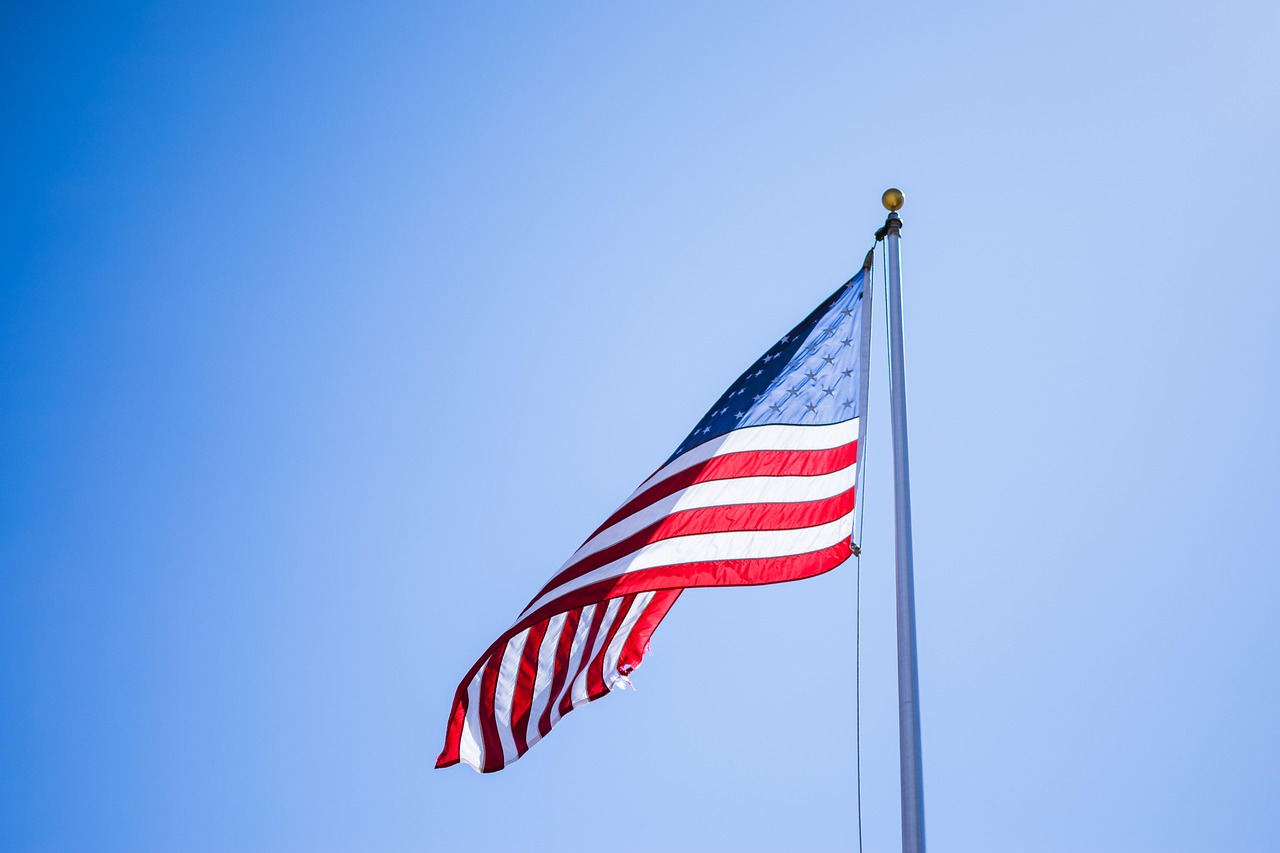
Understanding US Flag Laws: Your Practical guide
Navigating the legal landscape surrounding US flag merchandise can be a complex task, especially for businesses like US flag stores. This section offers a deep examine the laws and regulations that govern the display and sale of American flags, providing valuable insights for retailers and consumers alike. It's crucial to understand that the US flag, as a symbol of national pride and unity, is subject to specific guidelines to ensure its respectful and appropriate use.
One of the primary federal laws governing the US flag is the Flag Code, found in Title 4 of the US Code. This code outlines the proper display, design, and respect shown to the flag. It dictates the size and placement of the flag in relation to other symbols and structures, as well as the manner in which it should be flown and stored. When purchasing US flag merchandise for adults or kids, understanding these codes is essential. The flag should never be displayed upside down, folded, or damaged, as these actions are considered disrespectful. Many US flag stores offer a variety of options, including wholesale flag purchases, to cater to diverse customer needs while adhering to these standards.
State and local ordinances often supplement federal laws, providing additional context and specifics for flag display and sale. It's critical for US flag stores to stay informed about these local regulations, especially when dealing with public spaces or large-scale events. A city might have specific requirements for flag display at public schools or during memorial day ceremonies, which can be met by purchasing appropriate US flag merchandise from a reputable store. Even the selection of flag display cases can be influenced by local laws and cultural norms, with some areas prioritizing indoor displays with protective covers.
Understanding the symbolism behind US flag merchandise is also crucial, as the flag's design and colors carry profound meanings. The red, white, and blue colors represent courage, purity, and loyalty, while the stars and stripes honor the states and the union. This cultural significance extends beyond the flag itself into various forms of merchandise, from clothing to home decor. When buying or selling US flag items, whether for adults or kids, this knowledge becomes a cornerstone for fostering a culture of respect and understanding. It empowers businesses, like our US flag store, to educate customers and promote responsible southern pride.
Flag Etiquette: Displaying Old Glory Respectfully

Proper flag etiquette is essential for showing respect and honoring the symbolism behind the US flag, especially when displaying it in public spaces or private residences. Whether you're a proud American looking to display vintage US flag collectibles or want to order personalized US flags online for a special event, understanding the guidelines is crucial. At US Flag Store, we pride ourselves on promoting the respectful display of Old Glory, a symbol that carries significant historical weight.
The US Flag, often referred to as "Old Glory," is a powerful emblem of our nation's heritage and values. When displaying it, remember the following rules of thumb: first, always ensure the flag is clean and in good condition. Faded or tattered flags should be replaced. Second, never display a damaged flag, as it shows disrespect. Third, the flag should not be used as a decoration or for advertising purposes; it deserves a prominent, honorable position. When flown outside a home, the flag should be attached to a pole in a visible spot, high enough to be seen easily.
One of the most important aspects of US flag etiquette is knowing when and how to retire a worn flag. While vintage US flag collectibles and prints of iconic flag designs are popular, real flags should be retired with respect. The US Flag Store recommends following the guidelines set by the Flag Retirement Society. Flags can be retired in a special ceremony or through mail-in programs that ensure proper disposal. Remember, a tattered or faded flag, no matter its age, should not be flown or displayed-it's time for a respectful retirement.
When hanging multiple flags, especially during flag events or fundraisers, ensure the US flag is always at the center and positioned highest. This practice honors its status as the symbol of our nation. Be mindful of the direction in which the flag is displayed; never allow it to touch the ground or face inward, as these actions are considered disrespectful. By following these simple rules, you contribute to a culture that values and respects the enduring symbol of the United States: the US flag.
Choosing the Right Flag: Sizes, Styles, and Symbolism

Choosing the appropriate US flag involves more than just picking a size or design; it's a decision that considers historical context, intended use, and personal or community symbolism. When perusing a US flag store near me, whether online or in-person, understanding the variety of styles, sizes, and symbolism available is crucial. The standard US flag, with its 50 stars and 13 stripes, represents the current 50 states and the original 13 colonies, respectively. However, there are also state flags, territorial flags, and special flags designed for specific purposes or occasions, such as the US flag for kids, often in smaller sizes suitable for classroom displays or play areas.
Flag size is another critical factor. US flag merchandise comes in various dimensions, from miniature flags for display in homes or vehicles to massive outdoor flags for public spaces and events. The right size depends on the intended location and the amount of visibility you want. A US flag display case, either in a museum or a home, would typically show off a smaller, more detailed flag, while a flag flown at a national park or historical site might be several times larger to ensure maximum visibility. When considering a US flag store for purchases, it's essential to know whether you're looking for flags for personal use, classroom settings, or public display, as this will guide your size and style choices.
Symbolism matters in flag selection. The US flag itself is a powerful symbol of national unity and pride. However, flags can also represent regional identities, cultural heritages, or specific causes. State flags often include unique designs or motifs that reflect the state's history or landscape. Understanding these symbols is crucial, especially when displaying flags in public spaces, as they can evoke strong emotional responses and represent diverse perspectives. Give us a call at what is a US flag exactly to learn about the rich history and symbolism behind this iconic symbol, and consider the US flag store near you as a resource for selecting flags that reflect both personal and communal values.
Buying American: Top US Flag Store Recommendations

When should I fly the US flag? This question is not merely ceremonial; it's a crucial aspect of understanding flag etiquette and civic responsibility. Generally, the US flag is flown daily from sunrise to sunset, but it can also be displayed at night if illuminated. Certain days, like Memorial Day, Flag Day, and Independence Day, call for extended periods of display. Choosing the right US flag from a reputable source is a key part of showing respect for its symbolism.
Among the many US flag stores available, we highlight a few top choices for quality, service, and accessibility. When looking for cheap American flags for sale, consider stores that offer both affordability and authenticity. Many online retailers and local flag shops sell flags made from durable materials, ensuring they last and maintain their vibrant colors. When selecting a flag, familiarize yourself with the US flag symbols meaning-the stars, stripes, and colors each carry distinct historical and cultural weight.
The cost of a US flag can vary, but it's essential to remember that you often get what you pay for. Give us a call at how much does a US flag cost to get a better understanding of pricing. High-quality flags might be slightly more expensive but will withstand the elements and display proudly for longer. Whether you're a veteran organization planning a flag retirement ceremony or a school administrator looking to educate students about flag etiquette, the right US flag store can provide guidance and the perfect flag for your needs.
Flag retailers often cater to specific niches, from historical societies to schools and community groups. Some even specialize in custom flag designs, allowing you to create a unique US flag that reflects a specific event or cause. When selecting a store, consider their return policy, customer reviews, and the range of flags they offer. These factors ensure you're not only getting a quality product but also a positive experience.
Flag Disposal and Recycling: Respecting the Red, White, and Blue

Flag disposal and recycling are essential components of respecting and honoring the US flag, a practice that aligns with the values of a responsible US Flag Store. When flags reach the end of their useful life, whether worn out from constant display or no longer desired, it's crucial to handle them with the same care and consideration given to their service. The US Flag Code, a set of guidelines governing the display, respect, and disposal of the American flag, emphasizes the importance of proper disposal. According to the US Code, old flags should be destroyed in a dignified manner to prevent them from becoming "a source of disrespect."
The best approach to flag disposal is recycling, which ensures the flag's fabric is repurposed rather than discarded. Many US Flag Stores offer recycling services for old flags, allowing customers to return used flags for proper treatment. This eco-friendly practice not only reduces waste but also preserves the flag's historical significance. Flag fabric can be recycled into new products like park benches, rope, or even new flags, creating a cycle of respect and sustainability. Where to dispose of old American flags is a question that should be directed to these specialized stores, which can guide customers on the most appropriate local methods.
Cheap American flags for sale, especially those meant for temporary displays or educational purposes, can be replaced and disposed of responsibly. However, it's essential to differentiate between these affordable flags and the high-quality, durable flags designed for long-term use in public spaces. The latter often require more stringent care and disposal methods. When deciding how to dispose of old flags, consider the flag's material and condition. If the fabric is still strong, recycling is ideal. If it's frayed or worn, proper disposal methods may include incineration or burial, ensuring the flag is treated with the same respect it was given during its service life. Some communities organize flag retirement ceremonies, where old flags are collected and disposed of in a symbolic and respectful manner.
If you're looking to give us a call at US flag merchandise for adults and kids regarding flag disposal, experts recommend checking local ordinances and guidelines. Some regions have specific regulations for flag recycling or disposal, especially in public spaces. These stores can also offer advice on the best US flag prints and paintings to use for temporary displays, ensuring that even in replacement situations, the flag is treated with the dignity it deserves.
US Flag Decor Ideas: Honoring Our Colors at Home and Beyond

Displaying the US flag is a powerful way to show patriotism and pride. When considering US flag decor, think beyond the standard outdoor flags. Vintage US flag collectibles, for instance, can add a unique aesthetic to any room. These items, often made from authentic or replicated historical fabrics, offer a tangible connection to the past. Many US flag stores offer a variety of vintage collectibles, allowing you to choose pieces that reflect specific historical periods or events.
At home, consider framing a vintage US flag or creating a wall hanging using multiple flags stitched together. For a more subtle approach, add US flag-themed accessories like throw pillows, blankets, or curtains. These additions can serve as constant reminders of our nation's history and values, while also enhancing your living space. When selecting flags for indoor use, it's crucial to understand how to care for them properly. The Flag Care Guide recommends regular cleaning with mild soap and water, avoiding harsh chemicals that may damage the fabric. For outdoor displays, consider the weather conditions and choose flags designed for durability.
Beyond the home, US flag decor can transform public spaces and events. At national parks or historical sites, flags are often displayed in ceremonial settings, adding to the overall experience for visitors. For fundraising events, consider incorporating American flags into creative displays or even selling cheap US flags as souvenirs, with proceeds going to your chosen cause. When planning large-scale flag displays, it's essential to consider local ordinances and US code regarding flag usage and respect. The proper way to retire a worn flag is through a flag retirement ceremony, facilitated by organizations like the Flag Retirement Society.
Recreate the US flag with fabric from a reputable US flag store for projects that require a hands-on approach to history. This tactile experience can be especially valuable for educational purposes, teaching students about the flag's symbolism and significance. Whether honoring our colors at home, in public spaces, or during events, US flag decor ideas offer countless opportunities to celebrate our nation's heritage.
US Flag Laws and Regulations: Local vs. Online Retailers Comparison
This section compares the key features, best use cases, strengths, limitations, and cost-performance of purchasing US flags from local stores versus online retailers.
| Feature | Local Confederate Flag Shop | Online Confederate Flag Retailers |
|---|---|---|
| Key Features | Physical store with a selection of flags, accessories, and knowledgeable staff. | Wide range of products, often with lower minimum orders, and usually available 24/7. |
| Best Use Cases | Ideal for urgent purchases, personalized service, and handling delicate or unique items. | Suitable for bulk purchases, price comparisons, and easy, quick online shopping. |
| Strengths | Personal interaction, expert advice, and the ability to inspect items before buying. | Convenience, lower overhead costs leading to potentially lower prices, and a vast selection. |
| Limitations | Limited inventory, longer wait times, and potentially higher shipping costs for online orders. | Slower delivery, may lack personalized service, and cannot offer hands-on inspection. |
| Cost/Performance | Varies widely based on location and inventory; often more expensive for smaller orders. | Generally more cost-effective for bulk orders; delivery costs can be competitive. |
Quick Reference
- Familiarize yourself with federal laws: Understand the legal framework surrounding the display of flags, including the U.S. Flag Code.
- Respect local regulations: Check city or state laws, as regulations vary; some areas have strict guidelines for flag display.
- Know public vs. Private property rules: The rights to display a flag differ between public and private spaces.
- Obey size and placement restrictions: Follow guidelines for flag size, placement, and angle to ensure appropriate display.
- Understand cultural sensitivities: Be aware of the historical and cultural contexts behind flag symbolism to avoid offense.
- Verify flag authenticity: Ensure you're purchasing official, high-quality flags to maintain integrity and respect.
- Respect flag retirement: Learn how and when to retire a worn or damaged flag responsibly.
- Stay informed about legal cases: Keep up with recent court decisions that impact flag display rights and restrictions.
- Seek guidance from experts: Consult flag organizations or legal experts for specific questions or concerns.
Frequently Asked Questions About US Flag Laws and Regulations What You Need to Know
What are the general rules for displaying the US flag? Displaying the US flag is a significant responsibility, with specific guidelines to ensure respect. The flag should be flown at a half-staff position as a sign of mourning, and it must be illuminated if flown at night. When hung, the flag should be hung vertically, with the blue field (the union) at the top. The flag should never be placed on top of, or lower than, any other object, and it should never touch the ground.
How do I know if I need a permit to display the flag? The requirement for a permit largely depends on the location. While displaying the US flag on your property is generally legal, certain areas, like national parks or historical sites, may require permits. It's best to check with your local government or the managing authority of the specific location before raising the flag.
What is the protocol for folding the flag? The proper folding of the US flag, known as the "flag folding ceremony" or "veterans' fold," involves folding it in half lengthwise, then folding it again in half, creating a rectangular shape. It's then rolled tightly from the left side to the right, securing it with a flag pin. This ritual honors the flag's history and the men and women who have served their country.
Are there restrictions on where I can display the flag? Yes, there are. The US flag should not be displayed in a way that could be considered disrespectful or offensive. It should not be used as clothing or bedding, or displayed in a vehicle in a manner that could be easily damaged or defaced. The flag should not be displayed in a building that does not belong to you without permission.
What should I do if someone disturbs or damages a flag in my care? If a flag in your custody is disturbed or damaged, it should be destroyed in a dignified manner. One common practice is to burn the flag, but local laws may vary. It's essential to treat the flag with the utmost respect, even when it's no longer in pristine condition.
Are there specific guidelines for schools and public institutions regarding flag display? Absolutely. Public schools and institutions often have specific protocols for flag display, often adhering to state and federal guidelines. This typically includes flying the flag at certain times, such as during special occasions or holidays, and ensuring it is treated with the appropriate respect. These rules may vary by region, so it's crucial to consult local authorities.
Navigating Flag Display Regulations: A Case Study of a Community Event
Situation
A small town in the American South was preparing for its annual Independence Day celebration. The town's historical society planned to display a large variety of flags, both American and state flags, to commemorate the event's patriotic theme. However, they were unfamiliar with local regulations regarding flag display and worried about potential legal issues, especially concerning the display of the Confederate flag, a symbol with complex historical and cultural connotations.
Action
The historical society reached out to the local government, seeking guidance on the appropriate display of flags. They met with representatives from the town hall, the local police department, and the county attorney's office. The discussions focused on:
- Flag Types: Identifying which flags were considered official and historically significant, and which, if any, required special permissions for display.
- Size and Placement: Establishing guidelines for flag size and placement to ensure safety and visibility, particularly for flags mounted on poles or buildings.
- Historical Context: Understanding the legal and cultural implications of displaying the Confederate flag, and when its display might be considered appropriate or inappropriate.
- Public Safety and Order: Ensuring that flag displays did not obstruct public views, create trip hazards, or violate fire safety codes.
Result
The collaborative effort resulted in a detailed document outlining the regulations for flag display throughout the town. The document specified:
- Official Flags: The historical society was permitted to display the U.S. Flag, state flag, and historical flags of regional significance, subject to size limitations and placement guidelines.
- Confederate Flag Display: While the display of the Confederate flag was legal, the society was advised to consider the potential for controversy and provide context through informational panels explaining the flag's historical significance and ongoing debates.
- Public Education: The historical society agreed to include informational materials near the flag display explaining the symbolism and historical context of each flag, fostering a deeper understanding among visitors.
The town's proactive approach to flag display regulations ensured a safe, respectful, and informative Independence Day celebration, promoting a balanced understanding of American history and heritage.
Understanding and adhering to US flag laws is crucial for both personal and public displays. From flag etiquette, which dictates proper respect during ceremonies and everyday use, to choosing the right flag size and symbolism that resonates with your values, the US Flag Store offers a practical guide to navigate these regulations. Buying from a reputable US flag store ensures the quality and authenticity of your flags, while responsible disposal and recycling practices ensure the red, white, and blue remains a symbol of pride and respect. By incorporating these key learnings, individuals and businesses can display the US flag with pride, fostering a sense of community and patriotism while respecting the rich history and symbolism it represents. The US Flag Store stands as a trusted resource for all things related to our nation's flag, empowering citizens to engage with our shared heritage.
The US Flag Store guide to legal considerations and best practices covers:
- Understanding the Flag Code: Federal law dictates proper display, design, and respect for the US flag, with state and local ordinances providing additional context.
- Responsible Flag Disposal: Recycling old flags is essential, with stores offering services. High-quality flags may require specific disposal methods based on material and condition.
- US Flag Decor Ideas: From indoor accessories to public displays, flags can be celebrated in various ways while adhering to care and local ordinance guidelines.
- Educational Opportunities: Hands-on flag projects in schools and events can foster a deeper understanding of national heritage.