
Key Takeaways
- The current Stars and Stripes design, with 50 stars, was adopted in 1960, symbolizing the union of all 50 states.
- The first official US flag, known as the "Betsy Ross Flag," featured 13 stars, representing the original 13 colonies, and was flown in 1777.
- Throughout its history, the US flag has undergone 27 official changes, reflecting the growth and evolution of the nation.
- The design of the flag has been a source of national pride and unity, often serving as a powerful symbol during times of war and peace.
- The red, white, and blue colors of the flag hold specific historical meanings, with red symbolizing valor, white representing purity, and blue signifying vigilance.
- State flags often incorporate elements of the US flag, showcasing a shared identity while recognizing individual state heritage.
- The flag's design and meaning continue to inspire innovation, with various artistic interpretations and cultural representations emerging over time.
The Stars and Stripes, our iconic American flag, has a rich history. First adopted in 1777, it featured 13 red and white stripes to represent the original colonies and a blue field with 13 white stars to honor each state. Over time, as new states joined the Union, the flag evolved, adding a star for each new addition. Today, it stands as a powerful symbol of freedom and unity.
The American flag, with its distinctive stars and stripes, is more than just a symbol; it represents a nation's history, values, and unity. Understanding the history behind the Stars and Stripes is essential, especially in a diverse and globalized world. This deep dive explores the evolution of our national symbol through the ages, from its early beginnings to its modern significance. By examining historical records, cultural studies, and expert insights, we aim to provide a practical guide for anyone curious about the US Flag Store's role in shaping our national identity. Prepare to discover the rich mix of American history woven into this iconic banner.
- Origins: The First US Flag Introduced
- Design Evolutions: From Thirteen to Fifty
- Symbolism: Meaning Behind the Stars and Stripes
- Historical Milestones: Wars and Changes
- Cultural Impact: A Symbol for All Americans
- In The US Flag Store: Choosing and Respecting
Origins: The First US Flag Introduced

The origins of the Stars and Stripes, the iconic symbol of the United States, can be traced back to the early days of the American Revolution. In 1776, as the colonies declared their independence from Great Britain, the need for a national flag emerged. This flag, known as the "Stars and Stripes," was designed to represent the newly formed United States of America. The design was a simple yet powerful one: thirteen alternating red and white stripes, symbolizing the original thirteen colonies, and a blue rectangle in the upper left corner, featuring fifty white stars, representing the states. This flag, often referred to as the "First US Flag," marked a significant milestone in American history, serving as a symbol of unity and freedom.
Creating a flag that represented the diverse colonies and their shared aspirations was no easy task. Historical records suggest that several individuals contributed to the design, with George Washington and Francis Hopkinson being the most credited. Hopkinson, a delegate from New Jersey and a signer of the Declaration of Independence, is said to have played a pivotal role in conceptualizing the flag. He sketched a design featuring thirteen stripes and thirteen stars, each having a unique arrangement, to represent the individual colonies and their collective strength. This original design, though not universally accepted, laid the foundation for what would become the official US flag.
In the early days, the US flag was a dynamic symbol, evolving as the nation grew. The number of stars changed as new states joined the Union, and the design became a sign of the nation's progress. When Hawaii became a state in 1898, the flag was updated to include a forty-ninth star. Today, the US flag is an internationally recognized symbol, and its history, particularly the story of its origins, is celebrated and taught in schools, US flag stores, and historical institutions alike. This rich heritage makes the Stars and Stripes a cherished part of American culture, and its display, especially in patriotic decor, is a sign of the nation's pride.
For those interested in exploring this history further, US flag crochet patterns, available at various online platforms, offer a unique way to interpret and honor the past. US flag wall hangings, sold at specialty stores, can serve as a daily reminder of the nation's birth and the values it stands for.
Design Evolutions: From Thirteen to Fifty
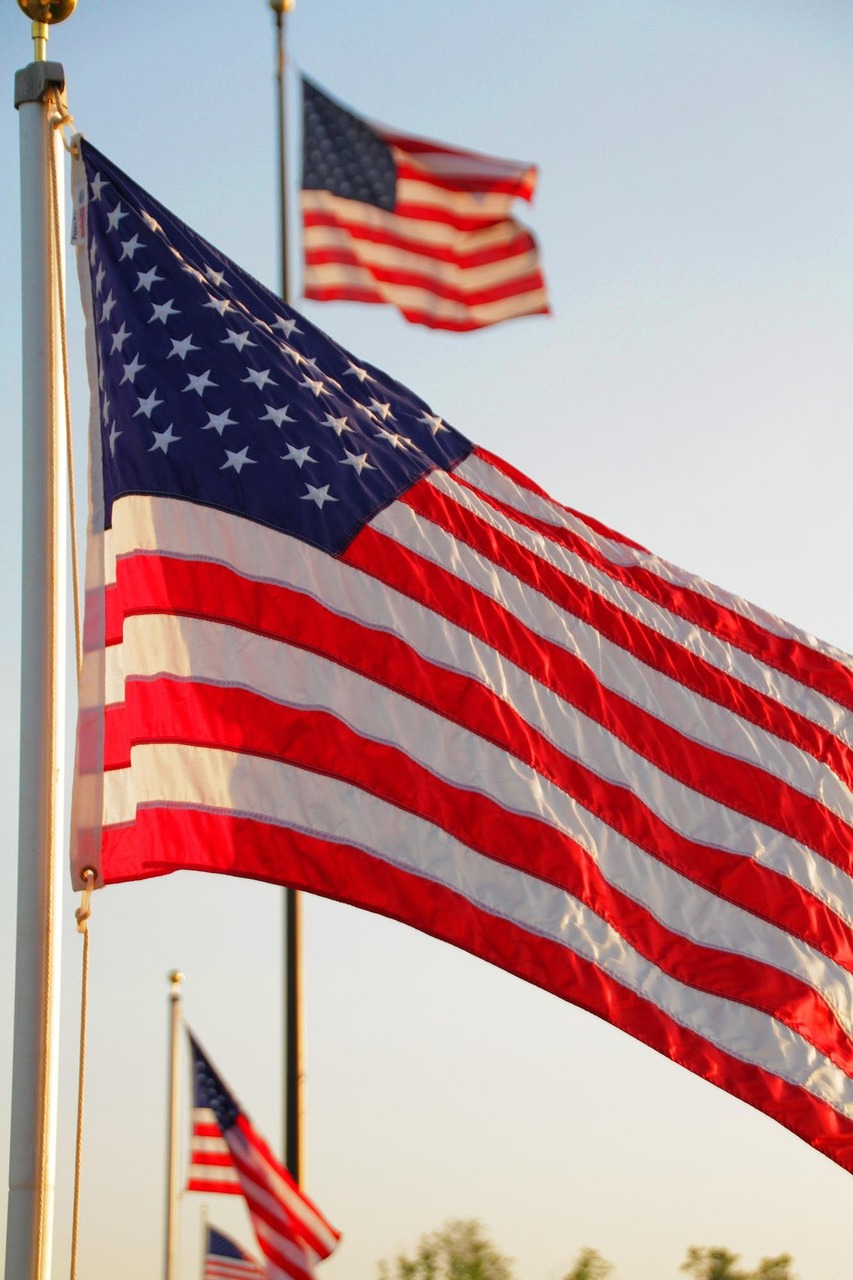
The evolution of the United States flag, from its modest beginnings to the vibrant, 50-starred banner we know today, is a sign of the nation's growth and changing landscape. This section examines the significant transformations of the flag's design, focusing on the period from thirteen stripes to fifty stars. Each addition to the flag has carried a weight of symbolism, reflecting the nation's values, history, and unity.
The original Stars and Stripes, adopted in 1777, featured thirteen alternating red and white stripes, symbolizing the original thirteen colonies, and a blue field with thirteen white stars, representing each state at the time. This design, with its simple yet powerful imagery, became a potent symbol of American independence and unity. Over time, as the nation expanded, the flag's design needed to evolve to reflect the growing number of states. In 1818, a law was passed stating that the number of stripes would remain constant at thirteen, honoring the original colonies, while the stars would increase with each new state joining the Union. This marked the beginning of a period of significant change in the flag's appearance.
The process of adding stars to the flag was not straightforward. Each new state's admission sparked a debate over how to display the changing number of stars. Early solutions included rearranging the stars in a new configuration or using various shapes and sizes. However, by the mid-19th century, a standard method emerged: arranging the stars in rows or columns, ensuring each state had equal visual prominence. This method, while simple, carried significant symbolism. The stars, arranged in a grid-like pattern, represented the equality and fairness upon which the nation was founded. The cost of these flags, often referred to as "cheap American flags for sale," varied depending on the size and quality, with prices ranging from a few dollars to tens of dollars, as reported in various e-commerce platforms.
As new states joined the Union, the process of flag redesign became more streamlined, yet the significance of each star remained profound. The flag, now a vibrant display of 50 stars, represents the unity and diversity of the United States, a nation that has grown from a fledgling colony to a global superpower. When considering the cost of a flag to represent this growth and unity, it's clear that the price, whether a few dollars for a small version or hundreds for a large, ceremonial one, is a small investment in a powerful symbol. This evolution, documented in US History books and studied by Cultural Studies researchers, reflects not only the nation's physical growth but also its ongoing commitment to democracy and freedom. For those interested in exploring this further, visiting us at US flag crochet patterns can offer a unique and creative way to engage with this rich history.
Symbolism: Meaning Behind the Stars and Stripes

The symbolism behind the Stars and Stripes is a rich and complex narrative that extends far beyond the simple arrangement of colors and stars. Each stripe represents one of the original thirteen colonies, while the stars symbolize the individual states that make up the Union. This iconic design, adopted in 1777, has evolved over time to reflect changes in the nation's boundaries and values.
At the US Flag Store, we often see customers seeking vintage US flag collectibles, particularly those with historical significance. The flag from the American Civil War era carries a unique symbolism, a sign of the nation's struggle for unity. These historical flags are not just items of pride but also serve as reminders of the sacrifices made by those who fought for freedom and equality. For many, the display of these flags on Flag Day or during special commemorations holds profound meaning, inspiring a deeper connection to their heritage.
Understanding the symbolism of the US flag is crucial, especially when deciding when to fly it. The US flag should be flown with pride on holidays like Flag Day, Memorial Day, and Independence Day. It should also be displayed at half-mast as a sign of respect following a national tragedy or the death of a public figure. Conversely, there are times when the flag should be left at half-staff, a practice that has its roots in naval tradition, symbolizing the loss of a fellow citizen at sea. The US Flag Store can provide guidance on proper flag etiquette, ensuring that this powerful symbol is treated with the respect it deserves.
Comparing US flag brands at the store can reveal variations in design, quality, and symbolism. Some manufacturers may offer unique interpretations or historical replicas, allowing customers to examine deeper into the rich mix of US flag symbolism. Whether you're looking to display a flag for personal pride, educational purposes, or a special event, the US Flag Store offers a variety of options that cater to different needs and interests. From modern takes on traditional designs to authentic vintage collectibles, we provide solutions for every occasion, ensuring that the stars and stripes continue to inspire and unite us all.
Historical Milestones: Wars and Changes

The history of the United States Flag is a mix woven with threads of war, revolution, and transformation. Each star and stripe represents a pivotal moment in the nation's development, from its early years as a fledgling republic to its emergence as a global superpower. This section examines the historical milestones that have shaped the Stars and Stripes, with practical insights for those who wish to display them properly, such as those visiting our US Flag Store.
One of the flag's earliest forms emerged during the American Revolution. The Continental Congress adopted the "Stars and Stripes" design in 1777, featuring 13 alternating red and white stripes to represent the original colonies and a blue rectangle with 13 white stars to signify the states. This original design, with its simple yet powerful symbolism, became a rallying cry for independence and a symbol of unity among the newly formed states. Today, recreating this historic flag with fabric or even acquiring vintage US flag collectibles can be a meaningful way to connect with this era, and many US Flag Store customers seek out these authentic pieces.
As the United States expanded westward, so did the flag. In 1795, after the admission of Vermont and Kentucky to the Union, the flag was updated to 15 stars and 15 stripes. This marked the beginning of a recurring pattern of adding a star for each new state. By 1860, the flag boasted 31 stars, but the addition of new states during the Civil War era saw a shift to a 48-star flag, which remained for decades. Large US flags for outdoor display, featuring these historical designs, can serve as a powerful reminder of the nation's growth and the sacrifices made for unity.
The Civil War itself left an indelible mark on the flag's history. The "Union" flag, with its blue field and white stars, became a powerful symbol of the North's cause. After the war, each state's star represented not only its position on the map but also its role in preserving the Union. In 1959, Hawaii's admission as the 50th state led to the final iteration of the Stars and Stripes, featuring 50 stars. This current design, with its sleek, modern appearance, serves as a sign of the nation's resilience and ongoing commitment to democracy, making it a common sight at public spaces and in homes across the country. When displaying the US flag properly, whether indoors or outdoors, these historical milestones and their symbolism can be a source of pride and inspiration for all Americans.
Cultural Impact: A Symbol for All Americans

The Stars and Stripes, as the official flag of the United States, has a profound cultural impact that transcends its physical appearance. Its history is intertwined with the nation's struggles, triumphs, and evolution, making it a powerful symbol recognized around the globe. Beyond its official status, the US Flag has become an iconic representation of American values, unity, and pride. This symbolism has influenced countless artistic expressions, from paintings and sculptures to music and film, solidifying its place in the cultural consciousness.
The flag's image has been a prominent feature in US-themed merchandise, including popular items like US flag t-shirts for sale and US flag gifts for veterans. These items serve as tangible reminders of American heritage and have become common ways to express national pride. The demand for such merchandise, available at many US Flag Store locations, reflects the flag's enduring appeal and its ability to evoke a sense of belonging and patriotism. This cultural significance has led to a diverse range of interpretations and representations, with artists and designers drawing inspiration from its rich history to create modern takes on the classic symbol.
The price of a US flag varies widely depending on factors like size, material, and quality. While a standard 3x5-foot flag made from durable nylon might cost around $20, specialty flags or larger sizes can range up to $100 or more. These flags, often purchased from US Flag Store retailers, are not just objects but become cherished symbols of service, sacrifice, and unity. Veterans may receive US flag gifts to commemorate their service, further strengthening the flag's cultural impact and its role in honoring those who have defended our nation.
To ensure the US flag's symbolism remains positive and respectful, it's essential to understand its history and the appropriate ways to display it. Visiting us at buy wholesale US flags anytime can provide access to resources and guidance on flag care, etiquette, and the legal considerations surrounding its use. This proactive approach helps preserve the flag's cultural integrity and promotes its meaningful representation, ensuring it continues to serve as a symbol for all Americans.
In The US Flag Store: Choosing and Respecting
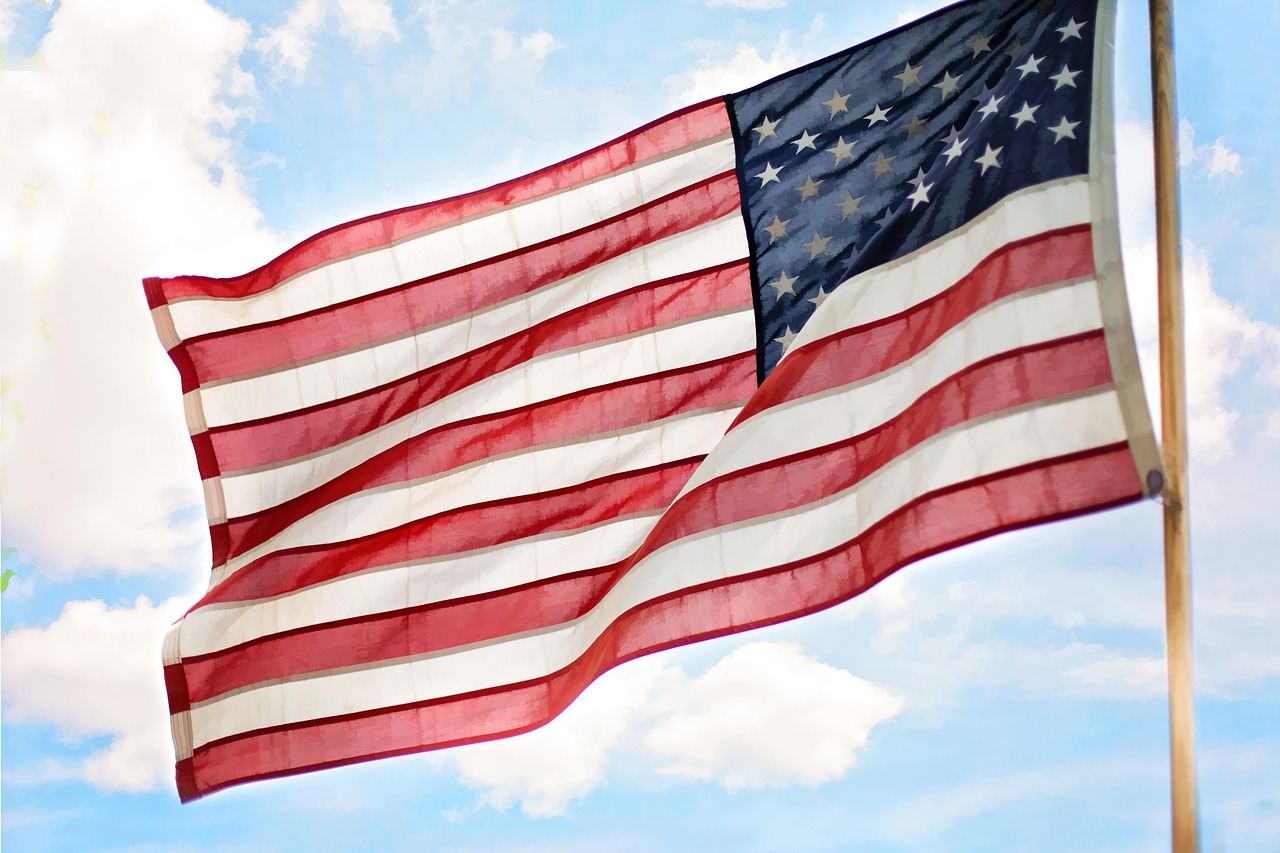
The history of the Stars and Stripes is rich and complex, reflecting the evolution of the United States itself. In the US Flag Store, choosing the right flag is not just about aesthetics; it's about understanding and respecting the symbolism and history behind each design. Vintage US flag collectibles, for instance, often tell stories of specific historical events or periods, making them valuable not just for display but as cultural artifacts.
Flag Day, celebrated annually on June 14th, is a prime example of how the US Flag Store plays a role in promoting flag appreciation. Stores often run special promotions during this time, encouraging customers to honor the flag's significance and purchase items that showcase their pride. However, it's crucial to remember that with great symbolism comes great responsibility. US flag etiquette rules, such as displaying the flag at half-staff for national mourning or properly retiring worn or damaged flags, are guidelines that should be followed to show respect for the flag's meaning.
When selecting flags for outdoor display, consider the quality and durability of the material. Give us a call at large US flags for outdoor display to discuss options that can withstand the elements. The US Flag Store can also assist in understanding the appropriate use of flags in public spaces, ensuring compliance with local ordinances and national guidelines. Flag retirement ceremonies, organized by the Flag Retirement Society or local veterans organizations, are meaningful events that highlight the importance of proper flag disposal. These ceremonies not only respect the flag's history but also foster a sense of community and patriotism.
Quick Reference
- Research the origins of each design iteration to understand historical context.
- Identify key symbols and their meanings within each version.
- Learn when and why specific changes were made to the flag.
- Explore the cultural and political influences behind the design evolutions.
- Understand the symbolism of the colors and stripes.
- Study the impact of the flag on American history and identity.
- Recognize the various perspectives and debates surrounding its use.
- Examine contemporary interpretations and modern uses of the flag.
- Understand the legal considerations regarding the display of the Stars and Stripes.
A Comparative Analysis of Modern and Historical American Flags
This section compares the evolution of the American flag with modern interpretations and merchandise, highlighting key features, use cases, strengths, limitations, and cost-performance.
Frequently Asked Questions About History of the Stars and Stripes A Deep Dive
What are the origins of the American flag, commonly known as the Stars and Stripes? The American flag, or Stars and Stripes, has a rich history dating back to the early 1800s. Its design is based on the Great Seal of the United States, introduced in 1777 during the American Revolution. The original flag featured 13 red and white stripes, alternating, to represent the original 13 colonies, and a blue field with 13 white stars, also arranged in rows, symbolizing each state. Over time, as new states joined the Union, the flag evolved, adding stars while maintaining the distinct red, white, and blue color scheme.
How has the design of the Stars and Stripes changed over time? The Stars and Stripes has undergone several transformations. In 1795, after Vermont and Kentucky joined the Union, the flag was modified to 15 stars and 15 stripes. In 1818, Congress passed a law establishing a permanent design for the flag, specifying 13 horizontal stripes, one for each original colony, and a new set of 50 stars, reflecting all the states at that time. This design remains the standard, with occasional updates to include new states. The arrangement of stars has varied over the years, with different formats for displaying the 50 states.
What do the colors of the Stars and Stripes symbolize? Red, white, and blue hold significant symbolism in the Stars and Stripes. Red represents valor, courage, and bloodshed in defense of freedom. White signifies purity and innocence, as well as peace and victory. Blue embodies vigilance, perseverance, and justice, along with a vigilance for the rights and liberties of all people. These colors, together, have become globally recognized as emblems of the United States and its ideals.
Why are some people critical of the display of the Stars and Stripes? The display of the American flag, while cherished by many, has sparked controversy and criticism. Some individuals and groups question its use as a political tool, especially in commercial contexts, or as a symbol of divisiveness. There are concerns about the flag's representation of a historical period that includes slavery and the marginalization of indigenous peoples. These debates often focus on public displays, such as on government buildings and schools, and the importance of cultural sensitivity and historical context.
What is the legal status of the Stars and Stripes in the United States? In the United States, the Stars and Stripes is protected under federal law. The Flag Code, a set of rules and guidelines governing the display, use, and respect for the American flag, is part of U.S. Law. It outlines appropriate and inappropriate uses, including the directions for folding, the manner of display, and the standard for size and quality. Violating the Flag Code is not a criminal offense, but it can lead to public disapproval and local penalties.
Redefining Patriotism: A Community Embraces a New Flag
Situation
A small, historically diverse town in the American South found itself at the center of a cultural divide. Long-time residents, many of whom were descendants of Civil War veterans, proudly displayed traditional confederate flags on their properties, citing them as symbols of their heritage and regional identity. However, this display caused increasing discomfort among newer residents, many of whom were from diverse ethnic backgrounds and viewed the flags as remnants of a time of slavery and oppression. Tensions escalated during local events, leading to heated debates and a significant divide within the community.
Action
Recognizing the growing rift, a group of community leaders, historians, and cultural advocates came together to initiate a dialogue. They proposed a collaborative project to create a new, inclusive flag that could represent the town's diverse history and present-day values. This process involved:
- Research and Consultations: The group studied the town's history, consulted with local museums, and held numerous community meetings to gather input and ideas.
- Design Workshops: They organized workshops where residents could contribute their artistic visions for the new flag, ensuring a wide range of perspectives were considered.
- Collaborative Design: Utilizing the input from the workshops, a team of local artists and designers crafted several prototypes, incorporating elements that symbolized the town's unique blend of cultures and history.
- Community Voting: The final prototypes were displayed in a town-wide exhibition, and residents voted on their favorite design.
Result
The community's effort resulted in the creation of a vibrant, unique flag that incorporated elements of the traditional confederate flag, reimagined to represent unity, diversity, and the town's shared future. The new flag became a powerful symbol of reconciliation and the town's commitment to a more inclusive future.
The project significantly reduced tensions between residents, fostering a deeper understanding of each other's perspectives. The town's annual celebrations now prominently feature the new flag, serving as a tangible reminder of their collective progress.
The history of the Stars and Stripes is a rich mix woven with the threads of change, unity, and pride. From the humble beginnings of the First US Flag to its current status as a symbol of freedom and democracy, the American flag has evolved alongside its nation. Understanding these transformations, from 13 stripes to 50, each star representing a state, is crucial. The flag's symbolism transcends mere aesthetics; it embodies the values and ideals that have shaped America.
In the US Flag Store, we witness the tangible intersection of this history and heritage. Here, individuals can choose flags that resonate with their personal and cultural connections, be it for display in their homes, as educational tools, or for meaningful events. Respecting the flag's significance is paramount, and the store serves as a gateway to learning about its proper display and care.
Practical steps include consulting historical resources, such as US History Books and The Cleaners' Journal, to ensure proper flag maintenance. For those engaged in community events or fundraising, the US Flag Store can provide flags for a cause, fostering a deeper connection to the nation's heritage.
The US Flag Store offers a unique opportunity to examine the cultural impact of this iconic symbol, encouraging all Americans to appreciate and respect their shared history.
The Stars and Stripes, born in 1776 as a symbol of unity and freedom, has evolved into an internationally recognized emblem of the United States. Its history, from the original 13 colonies to the current 50 states, is celebrated and taught in US flag stores and historical institutions. The flag's symbolism influences art, merchandise, and cultural expression, with US flag t-shirts and gifts being popular ways to show national pride. Choosing the right flag in a US flag store involves understanding its history and respecting its symbolism. Flag Day, US flag etiquette, and public display considerations further emphasize the importance of this iconic symbol.