
"To prevent US flag damage and fire hazards, follow these safety guidelines: handle flags gently, especially during outdoor events, and avoid hanging them in weather that could cause wear. Clean flags regularly to remove dirt and debris. For fire safety, never leave a flag unattended when lit, and ensure proper flagpoles and mounting hardware to prevent falling and sparking. Store flags carefully when not in use to prolong their life."
Proper storage is key; keep flags folded and in a cool, dry place when not displayed, protecting them from sun and moisture.
Fire hazards are real; use appropriate hardware and avoid hanging flags near open flames or heat sources to minimize risk.
Abrasive surfaces and sharp edges can damage flags; use caution when displaying near windows or doors with such surfaces.
Understanding material and construction is vital; synthetic flags are more fire-resistant than cotton, offering a safer option for outdoor use.
Seek professional restoration for damaged flags; experts can preserve historical value and extend the lifespan of even heavily used flags.
Remember, prevention is cheaper than repair; investing in quality flags and proper care will save you money in the long run.
The US Flag Store is a trusted resource for communities and organizations across the nation, offering guidance on flag display, care, and safety. Proper flag handling is paramount, as incorrect use can lead to serious damage and fire hazards, especially when flags are flown outdoors. This article examines the critical aspects of US flag safety, providing essential insights to prevent potential risks. We'll explore best practices for flag display, maintenance tips from the Flag Care Guide, and the legal considerations outlined in the US Code, ensuring you have the knowledge to safeguard these important symbols.
- Understanding Flag Materials and Durability at the US Flag Store
- Proper Display and Storage: Avoiding Common Damage Scenarios
- Fire Safety Measures: Protecting Your Flag and Home
- Flag Replacement and Disposal: When to Let Go at the US Flag Store
- Creative, Safe Ways to Honor the Flag: Beyond the US Flag Store
Understanding Flag Materials and Durability at the US Flag Store

Understanding the materials and durability of flags is a crucial aspect of flag care and safety, especially when you're purchasing from a US Flag Store. Flags are designed to withstand various conditions, from outdoor exposure to frequent handling, and their construction matters in their longevity. At the US Flag Store, we offer a wide array of flags made from different fabrics, each with its own set of advantages. Nylon is a popular choice for its strength and resistance to fading, making it ideal for outdoor displays. Polyester, another common material, is known for its wrinkle-resistance and ease of cleaning.
For durability, the US flag etiquette rules dictate proper handling and storage. Flags should be handled gently, especially when they're wet, to prevent damage. Some flags, like those made with cotton or more delicate fabrics, may require occasional cleaning or even replacement to maintain their integrity. We provide detailed care instructions for each flag type, ensuring customers know how to preserve the colors and designs that represent the significance of US flag colors and their symbolism. Our crochet patterns for flags not only add a unique aesthetic but also require regular maintenance to keep their intricate designs intact.
The US Flag Store's promotions on Flag Day encourage customers to embrace their patriotic spirit while making informed choices. We believe that understanding the materials and their care is a key step in respecting the history and values that the US flag represents. By providing flags that are built to last and offering guidance on their upkeep, we aim to ensure that the flags displayed, whether in homes, schools, or public spaces, remain vibrant and proudly serve their purpose for years to come.
Proper Display and Storage: Avoiding Common Damage Scenarios
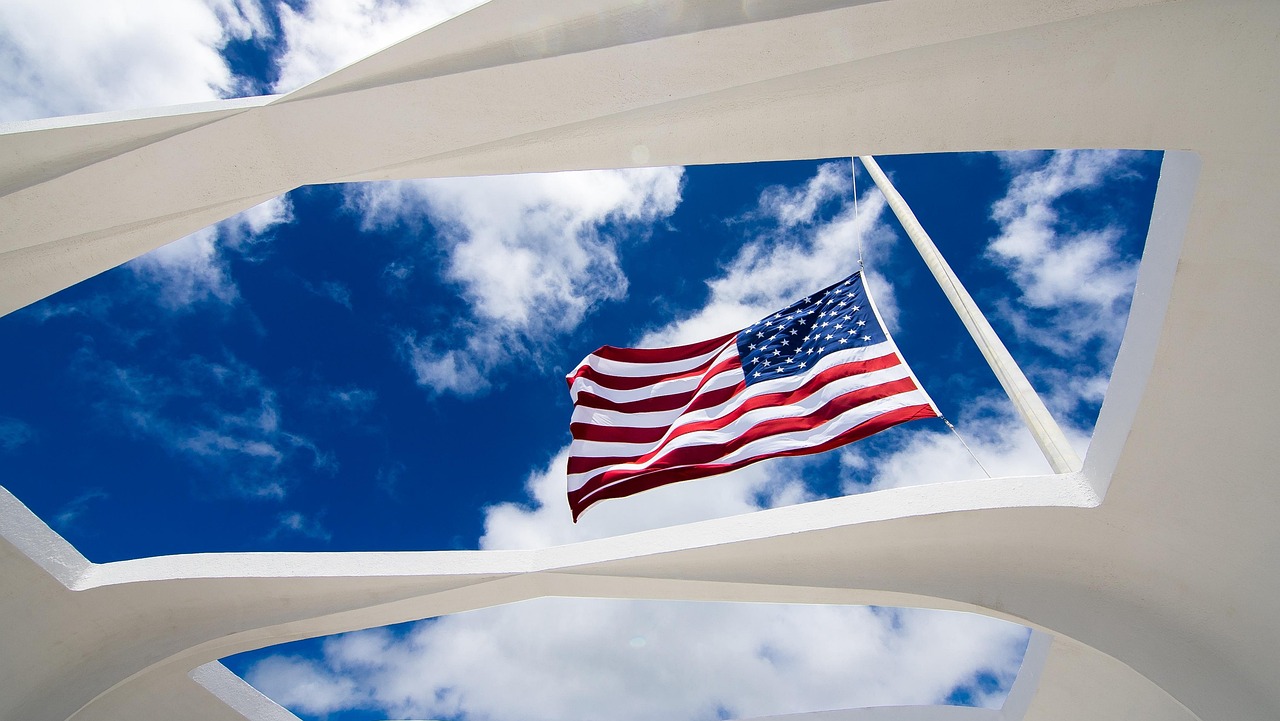
The safe display and storage of the US Flag is crucial to preserving its integrity and preventing damage. This is especially important in public spaces, homes, and businesses where flags are exposed to varying weather conditions, physical contact, and potential hazards. A common misconception is that the cost of a US Flag, whether bought from a US Flag Store or elsewhere, determines its resilience. In reality, factors like fabric quality, construction, and care play a more significant role. High-quality materials used in flag manufacturing can significantly enhance its longevity.
To avoid common damage scenarios, follow these guidelines:
-
Weather Protection: Ensure flags are hung indoors during severe weather conditions or when exposed to direct sunlight for extended periods. UV rays can cause fading and weaken the fabric, leading to tearing. If displayed outdoors, consider using weather-resistant flags designed to withstand environmental stress.
-
Proper Hanging: Install flags at a safe height, away from reach of children and pets. Avoid excessive tension on the halyard (flagpole rope) as it can strain the fabric. Use appropriate hardware and follow manufacturer recommendations for hanging.
-
Regular Cleaning: How to care for a US flag is essential. Clean flags regularly to remove dirt, dust, and other debris. A gentle wash with mild detergent and cool water, followed by air drying, is recommended. Never put flags in the dryer. This simple step prevents the flag from shrinking or losing its shape.
-
Storage: When not in use, store flags in a cool, dry place away from direct sunlight and heat sources. Use acid-free storage boxes or bags to protect against environmental damage. Fold flags neatly, avoiding wrinkles or creases, and store them in a vertical position to prevent twisting.
By following these best practices, you contribute to the preservation of the US Flag's symbolic significance and ensure it remains a proud symbol of our nation for future generations. Give us a call at how to care for a US flag for personalized guidance tailored to your specific needs.
Fire Safety Measures: Protecting Your Flag and Home

Fire safety is an essential consideration when displaying the US flag, ensuring both its longevity and preventing potential hazards. At a US Flag Store, we often emphasize the significance of US flag colors-red, white, and blue-not just for their visual appeal but also as symbols of courage, sacrifice, and freedom. These colors represent our nation's history and the values we hold dear, making their protection vital. For fire safety, understanding the risks associated with certain materials and designs is crucial.
Customized US flag designs, while adding a personal touch, may introduce unique challenges. Some materials, like certain types of polyester or nylon, are more flammable than others. Our experienced team at the US Flag Store recommends using fire-retardant fabrics to mitigate this risk. These materials are specifically treated to resist burning and slow the spread of flames, offering enhanced safety for both your flag and home. A well-made, flame-retardant flag can significantly reduce the chance of a fire spreading if it comes into contact with a heat source.
Proper flag placement is another critical aspect. Avoid hanging flags near heat sources, open flames, or areas prone to high winds, as these conditions can accelerate the burning process. When in doubt, consult with a professional at a US Flag Store. We can guide you on the best places to buy US flags that not only meet safety standards but also complement your space. Regular cleaning and maintenance are also essential. Removing dust and dirt not only improves the flag's appearance but also reduces the risk of combustion, as built-up grime can act as fuel for fires. Remember, a well-cared-for flag is a safer flag.
Flag Replacement and Disposal: When to Let Go at the US Flag Store
Flag replacement and disposal are essential aspects of flag care, and understanding when to let go of an American flag at the US Flag Store is crucial for maintaining the highest standards of safety. Over time, flags can become faded, frayed, or damaged, losing their aesthetic appeal and symbolic meaning. The US Flag Store recommends replacing flags that exhibit signs of wear and tear, as these can pose potential hazards in both residential and public settings.
When considering flag replacement, it's important to recognize that not all damage indicates the need for a new flag. Minor tears or holes can often be repaired, extending the life of your flag. However, if the damage is extensive, affecting a significant portion of the flag's surface area, it's time to consider a replacement. The US Flag Store offers a range of high-quality flag patches, allowing you to repair and preserve historically meaningful designs, which is a cost-effective solution compared to buying an entirely new flag. A worn-out flag featuring a unique US flag symbol can be mended, ensuring the symbol's meaning isn't lost.
Disposal of old or damaged flags is another critical aspect of safety. The US Flag Store suggests that flags that cannot be repaired should be disposed of responsibly. Burning or shredding flags is a common practice, especially for those that have been flown during significant historical events. This ensures that no part of the flag is misused or ends up in a landfill, maintaining the dignity of the symbol. When deciding how to buy American flags, keep in mind that the US Flag Store provides a variety of options, allowing you to choose flags that meet your needs and contribute to a safer environment.
Creative, Safe Ways to Honor the Flag: Beyond the US Flag Store

Honoring the US flag is an important part of civic engagement, but displaying it improperly can lead to damage or even fire hazards. Beyond the US Flag Store, where you can find the best places to buy US flags, there are creative and safe ways to show respect for our nation's symbol. When should I fly the US flag, for instance, depends on various factors like national holidays, anniversaries, and special events. To ensure safety, it's crucial to understand the recommended display guidelines.
Proper flag care starts with choosing the right material. High-quality flags, often made from durable nylon or polyester, are more resistant to wear and tear. These materials are also easier to clean and maintain, ensuring your flag remains in top condition. The cost of a US flag can vary, but investing in a well-made product is essential for long-term use. A standard US flag made from nylon can range from $10 to $20, while larger flags or specialty designs might cost more.
To display the flag properly, follow these best practices: use a suitable pole or stand, ensure the flag is securely fastened, and avoid placing it in hazardous areas. When hanging the flag outdoors, consider the elements; wind, rain, and UV exposure can degrade the fabric. Always find us at displaying the US flag properly to ensure its longevity and prevent any potential risks. For indoor displays, use appropriate lighting and avoid placing the flag near heat sources or open flames. Regular cleaning and inspection are also vital to maintain the flag's integrity. By following these guidelines, you can show your patriotism while keeping the US flag in excellent condition.
Comparing Flag Installation Services: Safety, Maintenance, and Cost
This table compares key features, best use cases, strengths, limitations, and cost/performance of different flag installation services, helping you choose the best option for your needs.
Safeguarding Historic Flags: A Case Study in US Flag Preservation
Situation
A small town in the American South was preparing to commemorate a significant historical event with a grand flag display. However, their collection of vintage flags, spanning several decades, was at risk. The flags, made of delicate silk and linen, were showing signs of wear and tear. The primary concern was fire safety; the town's old buildings and historic district meant that even a small spark could have devastating consequences. Proper storage and handling procedures were lacking, leading to potential damage from sunlight, dust, and insect infestation.
Action
The town's historical society took proactive measures to safeguard their precious flags. They partnered with a professional textile conservator to assess the condition of each flag. The conservator provided guidance on the best methods for cleaning, storage, and display.
Implementing the following steps:
-
Storage Solution: The society invested in custom-made, fire-resistant flag cases, ensuring each flag was stored in a controlled environment.
-
Regular Maintenance: They established a bi-annual cleaning and inspection routine, employing a local tailor to gently launder and press the flags.
-
Display Precautions: The display area was retrofitted with state-of-the-art lighting, ensuring the flags were illuminated safely without direct sunlight exposure.
-
Public Education: Workshops were organized to teach the community about proper flag handling and the historical significance of each piece.
Result
The town's flag display became a model for historic preservation. After two years, the flags showed significant improvement in both appearance and condition:
-
The regular cleaning and maintenance program extended the lifespan of the flags, with some pieces now considered rare and valuable historical artifacts.
Frequently Asked Questions About US Flag Safety Preventing Damage and Fire Hazards
What are the general guidelines for storing a US flag? Proper flag storage involves keeping it in a cool, dry place, away from direct sunlight and heat sources. Fold the flag neatly and store it in an airtight container when not displayed. Ensure the container is made of fire-resistant material, as fire safety is paramount. Regularly inspect the flag for signs of wear and tear.
How should I handle a US flag when it becomes damaged? Damaged flags should be retired immediately. Cut off any frayed or loose threads and dispose of the flag responsibly. One option is to burn the flag in a safe, controlled environment, but check local regulations first. Never bury or throw away a damaged flag; doing so can be considered disrespectful.
What safety measures should I take when displaying a US flag outdoors? When displaying a flag outdoors, ensure it is securely fastened to a pole or bracket. Use metal hardware and check regularly for signs of wear. Keep the flag at least 3 feet (0.91 meters) above the ground and clear of obstacles that could damage or trap it. Avoid displaying flags in adverse weather conditions, such as high winds or storms.
Are there specific rules for burning a US flag? While burning a flag is a respectful way to retire a damaged one, it should be done safely. Use a fire-resistant container and a non-flammable surface. Never burn a flag in a residential area or where it could start a fire. Check local fire codes and obtain any necessary permits. Always have water or a fire extinguisher nearby.
What is the proper way to dispose of a US flag that can no longer be used? When a flag is no longer suitable for display, dispose of it through a veteran's organization or a local flag disposal program. These groups collect and retire old flags respectfully. Never throw a worn-out flag in the trash; it's considered disrespectful to the symbol it represents.
Can I display a US flag indoors without any special considerations? Yes, flags can be displayed indoors as long as they are treated with respect and proper care. Keep them away from heat sources, direct sunlight, and moisture. Use appropriate hangers or stands to prevent creasing or damage. Regularly launder and clean the flag to maintain its appearance.
Quick Reference
- Regularly inspect flags for wear and tear, replacing frayed or damaged flags immediately.
- Check flag connections and hardware for security, tightening as needed to prevent accidents.
- Use appropriate lighting for outdoor flags, avoiding direct sunlight and extreme heat to prevent fading and degradation.
- Store flags properly when not in use, rolling or folding them gently to avoid wrinkles or distortion.
- Avoid hanging flags at high winds or in areas prone to lightning strikes.
- Keep flags at least 6 feet away from open flames, heat sources, and electrical equipment to prevent fire hazards.
- Secure flags to poles using appropriate hardware to prevent them from blowing away or coming into contact with power lines.
- Clean flags regularly to remove dirt, dust, and bird droppings that can damage the fabric.
- Follow local fire codes and regulations regarding flag display and safety practices.
- Educate children and visitors about safe flag handling to prevent accidental damage or injury.
Understanding the materials and durability of flags at the US Flag Store is the first step in preventing damage and ensuring fire safety. Proper display and storage, coupled with regular flag replacement and disposal, are crucial for maintaining the integrity of these important symbols. By following these guidelines, individuals can safeguard their flags from common damage scenarios and take creative, safe steps to honor them. Being mindful of fire hazards and implementing safety measures protect not only the flag but also the home. The US Flag Store serves as a valuable resource for all things related to flag care, from education and purchasing to events and community engagement, ensuring these symbols are preserved for generations to come.
Understanding and Displaying the US Flag Responsibly:
- Flag Materials and Durability: The US Flag Store offers various flag materials, each with benefits. Nylon and polyester are popular choices for their strength, resistance to fading, and ease of care.
- Flag Care and Safety: Proper handling and storage are crucial. Follow US flag etiquette rules: handle gently, avoid wet conditions, and maintain regular cleaning for delicate fabrics. The US Flag Store provides detailed care instructions.
- Flag Replacement and Disposal: Replace faded or damaged flags. The US Flag Store offers flag repairs and patches. Dispose of old flags responsibly: burn or shred, maintaining the flag's dignity.
- Safe Display Practices: Follow guidelines for proper flag display, including pole selection, fastening, and placement away from hazards. Consider material choices and environmental factors for outdoor displays.
- Cost and Quality: Flag prices vary, with high-quality materials costing more. Investing in durable flags ensures longevity. The US Flag Store provides a range of options to suit various needs and budgets.