
Starting a US flag store involves sourcing high-quality flags, understanding flag etiquette and history, and knowing your customer base. Offer a variety of flags for different occasions and displays, from indoor decor to large outdoor flags. Provide educational materials on flag care, symbolism, and history. Promote patriotic events and holidays to drive sales.
Key Takeaways
Identify your target market: Define your ideal customers and their needs to tailor your product offerings and marketing strategies effectively.
Understand US flag regulations: Familiarize yourself with local laws and guidelines regarding flag display, size, and types allowed in different locations.
Source high-quality flags: Choose reputable suppliers who offer durable, accurately designed flags to ensure customer satisfaction and build a strong reputation.
Ultimate Flags Banner Offer diverse products: Expand your inventory with related patriotic decor, patches, t-shirts, and accessories to attract a wider customer base.
Utilize online platforms: Create an engaging online store and leverage social media to reach a broader audience and showcase your unique flag designs and offerings.
Educate customers: Provide valuable content about flag etiquette, history, and symbolism to foster a deeper appreciation for the US flag and build a community around your store.
Plan strategic promotions: Take advantage of holidays and special events like Flag Day to run targeted promotions and attract new customers.
The US Flag Store is more than just a retailer; it's a hub for understanding and celebrating our nation's rich history and symbolism. In today's diverse and globally connected world, the flag remains a powerful cultural artifact, with profound significance that transcends political boundaries. However, starting a successful US Flag Store involves navigating complex issues, from sourcing authentic flags to understanding flag etiquette and symbolism. This practical guide aims to equip entrepreneurs with the knowledge to establish thriving US Flag Stores, serving as a reliable resource for both flag enthusiasts and the community at large.
- Planning Your US Flag Store: Foundation & Market Research
- Sourcing and Stocking: Quality Flags & Customer Experience
- Marketing & Growth: Building Your US Flag Store Brand
Planning Your US Flag Store: Foundation & Market Research

When planning the foundation of your US Flag Store, the first step is to conduct thorough market research. Understand the demand for American flags in your area, identify your target customers, and assess the competition. This involves analyzing flag display trends, such as the increasing popularity of decorating with US flag art in homes and public spaces.
Research the significance of US flag colors and symbols to cater to educational and cultural customers. Many people are passionate about understanding the history behind the stars and stripes, so offering in-depth knowledge and resources on this topic can set your store apart. Analyze the global context to understand international protocol around flag display and the potential for selling US flags as cultural artifacts or gifts for expatriates.
Another critical aspect is understanding pricing dynamics. Visit us at how much does a US flag cost anytime to gather data on pricing strategies employed by competitors, both local and online. This will help you position your store effectively while ensuring profitability. If you find that flag retailers in the area charge significantly higher prices, you might focus on offering competitive rates for customized US flag designs or bulk purchases. This strategic approach will attract cost-conscious customers looking for quality flags at reasonable prices.
Sourcing and Stocking: Quality Flags & Customer Experience
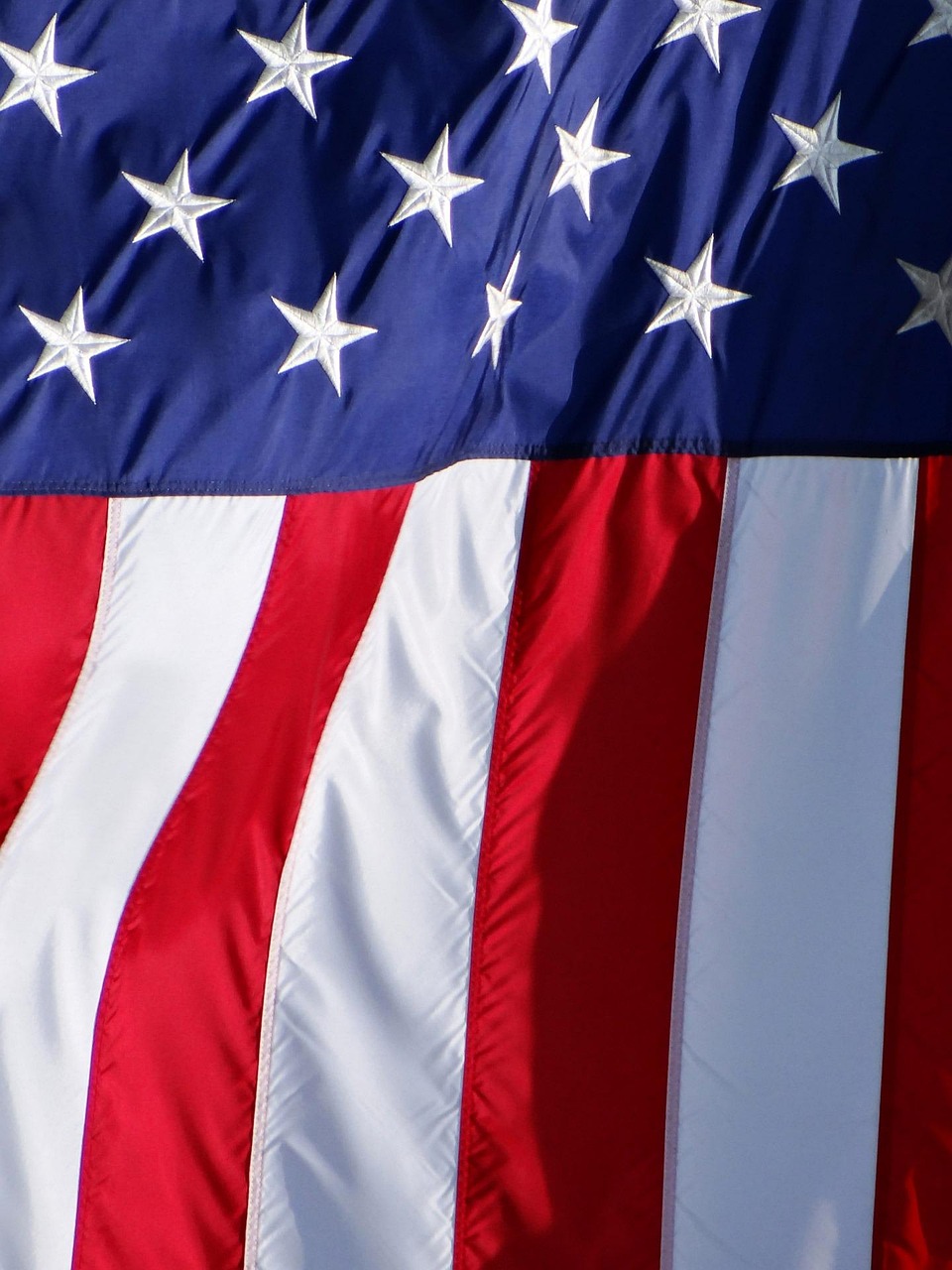
In a US flag store, sourcing and stocking quality flags is a cornerstone of a successful business. Customers expect nothing less than the genuine article-flags that accurately represent the symbolism and history behind them. To meet these expectations, a US flag store must cultivate strong relationships with reliable suppliers who can provide flags that meet stringent quality standards. This might include working with flag manufacturers known for their adherence to official specifications and using high-quality materials that ensure longevity. Selecting flags that withstand outdoor elements, including UV protection, is crucial for displaying them properly in various settings.
Beyond sourcing, the way flags are displayed and the education provided to customers play a significant role in creating a positive experience. Customers should be guided on how to display the US flag properly, both indoors and outdoors. This includes learning about the significance of each flag's design, including the US flag symbols meaning, and the appropriate times to fly them, such as during national holidays and flag retirement ceremonies. The store can enhance customer engagement by offering workshops or resources on flag care, including how to care for a US flag, to ensure flags remain in top condition. Providing a comprehensive flag care guide can teach customers the best practices for cleaning and storing their flags.
Creating a US flag store that excels in quality and customer experience involves more than just selling flags. It requires a commitment to education and service. By offering guidance on choosing the right flag, understanding flag etiquette rules, and providing resources on flag care, the store becomes a go-to resource for all things related to the US flag. Stocking personalized flag options allows customers to express their patriotism in unique ways, giving them a sense of ownership and pride. Customers can place orders for personalized flags online, ensuring a convenient and memorable shopping experience.
Properly displaying the US flag, understanding its symbolism, and knowing how to care for it are integral parts of respecting the flag's history and the values it represents. By integrating these practices into the core of the US flag store's operations, the business not only offers quality products but also fosters a deeper appreciation for the flag among its customers. This holistic approach to sourcing and stocking flags sets the store apart, making it a trusted resource for anyone looking to purchase and display the US flag with pride.
Marketing & Growth: Building Your US Flag Store Brand

Building a strong brand for your US Flag Store involves creating a unique identity that resonates with your target audience and effectively communicates your commitment to quality and service. A successful marketing strategy leverages the symbolic power of the US flag to connect with customers on a deeper level.
Start by defining your brand's unique selling points. Offerings like customized US flag designs and cheap American flags for sale can be powerful differentiators. Showcase your ability to cater to a range of customers, from individuals looking for affordable flags for personal display to US flag merchandise for adults and kids seeking unique, themed items. Create seasonal collections or patriotic decor ideas that appeal to a broader audience. Engage with your community by participating in local events, such as Flag Day celebrations, to build brand awareness and foster goodwill.
Utilize digital marketing channels effectively. A well-designed website, active social media profiles, and targeted online advertising can significantly expand your reach. Share informative content, like articles on US flag symbols meaning and historical facts, to establish your store as a trusted resource. Leverage customer testimonials and reviews to build credibility and encourage word-of-mouth referrals. Collaborate with influencers or local businesses to cross-promote your brand and tap into new markets. Remember, consistent messaging across all platforms is key to building a strong, recognizable brand identity for your US Flag Store.
Comparing Flag Retailers: What Sets Them Apart?
This section compares two different approaches to purchasing flags, highlighting their unique features, strengths, and potential limitations to help you choose the best option for your needs.
| Feature | Local Flag Shop | Online Flag Store |
|---|---|---|
| Key Features | Physical store with a wide selection of flags and related merchandise; often offers personalized services. | Digital platform offering a vast array of flags and accessories; typically provides easier browsing and comparison options. |
| Best Use Cases | Ideal for customers seeking a hands-on experience, personalized recommendations, and the opportunity to touch and feel products. | Suits those who prefer browsing at their own pace, have specific needs for rare or custom flags, or value price comparisons across a wide range of retailers. |
| Strengths | - Personalized customer service - Ability to inspect products physically - Local support for the community | - Vast selection and variety - Competitive pricing and frequent sales - Convenient and accessible from anywhere |
| Limitations | - Limited stock compared to online stores - Less flexible return/exchange policies - Higher overhead costs potentially leading to higher prices | - Cannot inspect products physically - Slower delivery times - Potential for limited customer service |
| Cost/Performance | Prices can vary, often reflecting higher costs due to overhead. Local shops may offer promotions and loyalty programs. | Generally lower operational costs lead to competitive prices. Online stores often excel in bulk ordering and custom printing. |
The Red, White, and Gray Flag Shop: Revitalizing a Community Through Authentic Heritage
Situation
In a small town, nestled in the heart of the American South, stood a once-thriving business: the Red, White, and Gray Flag Shop. Named after the colors of the Confederate flag, the store had long been a staple for locals interested in purchasing traditional Southern merchandise and souvenirs. However, the store had struggled to stay afloat, facing stiff competition from online retailers and a changing cultural landscape. The shop's owner, a passionate historian and keeper of Southern tradition, sought a way to revitalize his business while navigating the delicate cultural issues surrounding Confederate symbolism.
Action
The shop owner decided to reposition the store as a destination for authentic historical souvenirs, focusing on educating customers about the nuanced history behind Confederate flags and symbols. He partnered with local historical societies and museums to host events and workshops on the history of the Civil War and the evolution of Southern culture. To attract a broader audience, he updated the store's online presence, showcasing unique, hard-to-find items and offering expert advice on purchasing and displaying Confederate flags responsibly.
He also implemented a pricing strategy that compared favorably with online retailers while emphasizing the value of owning a piece of history. By offering a mix of traditional and modern Confederate symbolism items, he attracted a diverse range of customers, from history enthusiasts to those celebrating their Southern heritage.
Result
The store's new focus on education and responsible display of Confederate symbols attracted media attention, leading to several positive press features that further boosted business. The owner's commitment to promoting cultural awareness and his expert guidance on Confederate flag etiquette earned him respect from the community, turning the store into a beacon for Southern pride and heritage.
Quick Reference
- Define your target market: Understand your customers' interests and needs, focusing on history, politics, or cultural significance.
- Legal research is essential: Familiarize yourself with local laws regarding the sale of Confederate flags and related merchandise.
- Source authentic products: Differentiate yourself by offering genuine, historically accurate items rather than replicas.
- Educate yourself on symbolism: Understand the complex cultural meanings behind Confederate symbols to provide informed customer service.
- Consider online and local sales: Balance online reach with the benefits of a physical store for customer interaction and building a community.
- Promote cultural awareness: Use your store as a platform to foster conversations about history, sensitivity, and the evolution of symbols.
- Set clear display guidelines: Establish rules for displaying Confederate flags, considering privacy, location, and customer comfort.
- Offer diverse perspectives: Showcase modern takes and alternative views on Confederate symbols to cater to a broader customer base.
- Stay informed about trends: Keep up with popular designs, seasonal items, and changing customer preferences to maintain competitiveness.
Frequently Asked Questions About US Flag Store Business Plan Getting Started
What is the best location for a US flag store?
Choosing the right location is key. Look for areas with high foot traffic, like busy intersections, shopping centers, or tourist hotspots. Consider proximity to schools, government buildings, or historical sites, as these attract visitors who might be interested in flags and patriotic merchandise. Research local regulations and zoning laws to ensure compliance with business requirements.
How do I differentiate my store from online retailers?
Offer a unique, personalized experience. Stock exclusive items, like handcrafted flags or limited-edition designs. Provide expert advice on flag selection, history, and symbolism. Create a welcoming atmosphere with interactive displays and events. Build a community around your store by hosting flag-related workshops, lectures, or celebrations.
What are the legal considerations for selling Confederate flags and merchandise?
Selling Confederate flags and related merchandise is a sensitive issue. Research local and state laws regarding hate speech, racial discrimination, and the display of offensive symbols. Clearly state your store's policy on the appropriate use and display of Confederate flags. Prepare to educate customers about the history and cultural significance (or lack thereof) behind these symbols.
How do I handle customer inquiries about Confederate flag symbolism and history?
Be prepared to engage in thoughtful, respectful conversations. Offer factual information about the flag's origins, its role in history, and its various interpretations. Encourage customers to explore diverse perspectives and promote cultural awareness. If a customer becomes hostile or disrespectful, politely disengage and reserve the right to refuse service.
What are some creative ways to promote my US flag store?
Leverage social media to showcase your products, share educational content, and engage with your community. Host in-store events like flag-raising ceremonies, historical talks, or art workshops centered around patriotic themes. Partner with local schools, businesses, or community organizations to expand your reach and build goodwill.
Establishing a successful US Flag Store involves a blend of thoughtful planning, strategic sourcing, and effective marketing. By conducting thorough market research and understanding your target audience, you can ensure your store caters to a diverse range of customers. Sourcing high-quality flags from reputable manufacturers and creating a welcoming shopping experience will foster customer loyalty. Marketing your US Flag Store through various channels, from online platforms to community events, will help build brand recognition and grow your customer base. Staying informed about legal considerations and cultural sensitivities surrounding flags will mitigate risks and enhance your store's reputation. The next step is to create a detailed business plan, refine your product offerings, and prepare for grand opening, leveraging the insights gained from this practical guide to launch a thriving US Flag Store.
Market Research for US Flag Store:
Conduct thorough research to understand local demand, target customers, and competition. Analyze flag trends, cultural significance, and pricing dynamics. Gather data on competitors' strategies to position your store effectively.
Sourcing and Stocking US Flags:
Source high-quality flags from reliable suppliers adhering to official specifications. Focus on outdoor-ready flags with UV protection. Offer workshops and resources on flag care and etiquette to enhance customer experience.
Creating a US Flag Store Brand:
Define unique selling points, cater to diverse customers, and engage with the community. Utilize digital marketing, share informative content, and leverage testimonials to build brand awareness. Collaborate with influencers for cross-promotion.