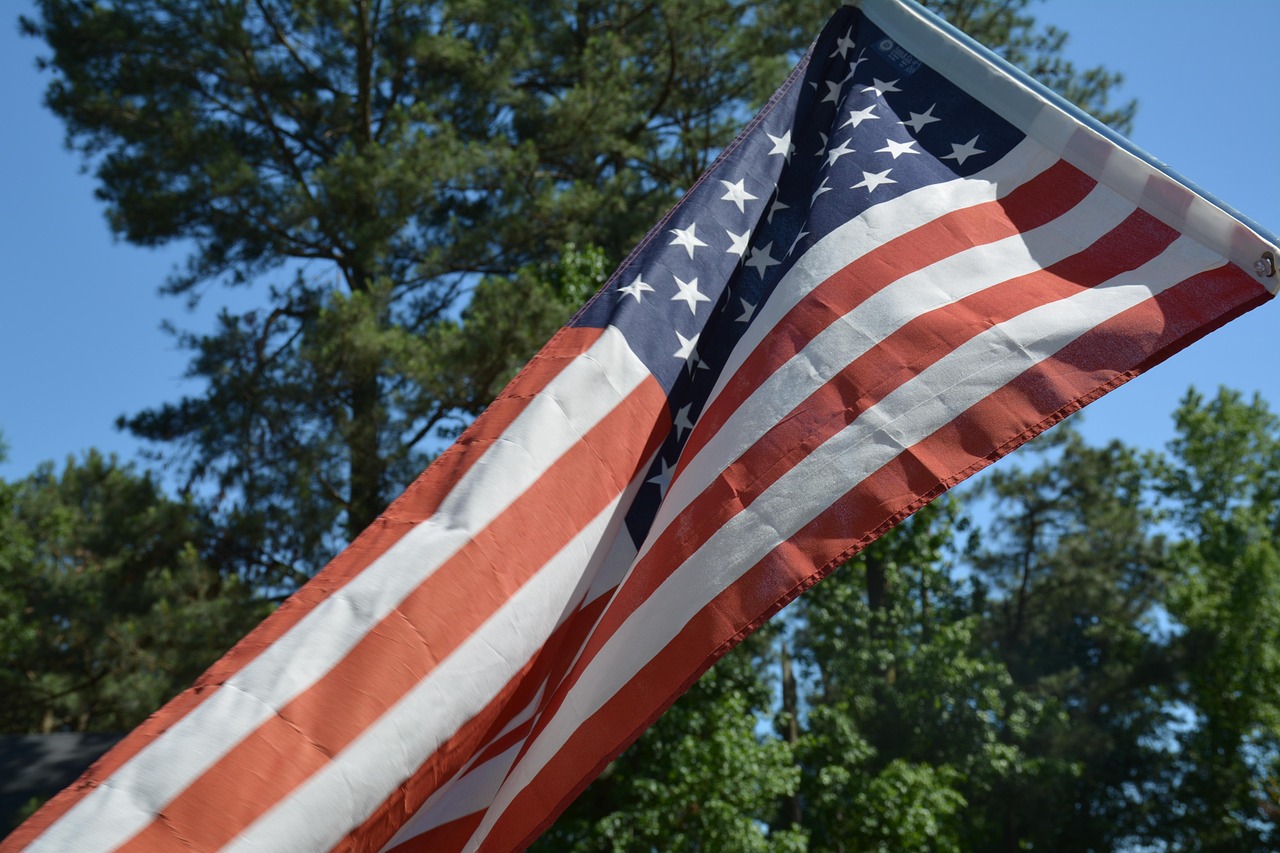
Building a historical US flag archive? Start by researching the flag's symbolism and significance. Next, source high-quality flags from reputable suppliers, focusing on accuracy in design and fabric. Document each flag's history and origin, creating a detailed collection with stories behind each one. Display them properly, providing context and respect for their patriotic meaning.
Key Takeaways
- Building a historical archive of US flags is a multifaceted endeavor that requires research, sourcing, and proper preservation.
- Focus on acquiring flags from significant historical events, notable figures, or periods to create a compelling narrative.
- Consider the condition and age of flags; vintage flags often hold more historical value but require delicate handling and preservation methods.
- Proper storage is crucial; use acid-free materials, controlled temperature and humidity, and avoid direct sunlight to ensure flags remain in top condition.
- Displaying flags in context, with informative signage, enhances their historical value and visitor engagement.
- Collaborate with historical societies, museums, and collectors to expand your archive and gain insights into the flags' stories.
- Regularly review and update your collection, replacing worn flags and adding new acquisitions to maintain its relevance and accuracy.
The United States flag, a powerful symbol of national pride and history, deserves a place of honor in every community and home. However, acquiring and displaying these important artifacts can be challenging, especially when looking to build a comprehensive historical archive. This article guides you through the process of creating your own US flag collection, offering insights into where to purchase flags, proper display, care, and even the legal aspects involved. We'll draw from resources like Education World, Flagmaker, and The Cleaners' Journal, among others, to provide a detailed, practical approach. Whether you're inspired by US history or simply want to honor our nation, this guide from your trusted us flag store will empower you to start building your historical archive today.
- Researching Your Historical Flag Collection
- Sourcing Authentic US Flags at the Store
- Caring for and Displaying Your Archives Properly
- Organizing and Documenting Your US Flag Collection
- Sharing Your Historical US Flag Archive
Researching Your Historical Flag Collection
Researching Your Historical Flag Collection
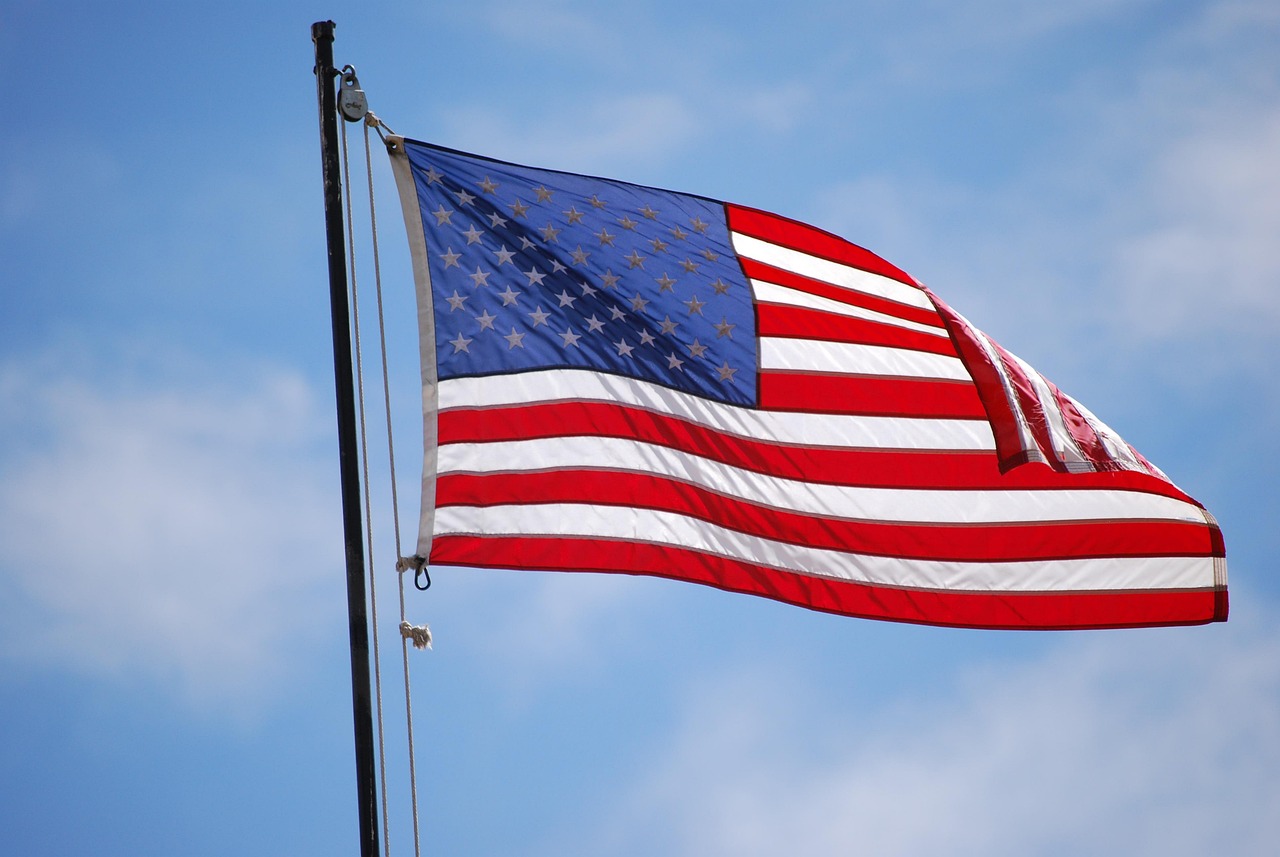
Building a comprehensive US flag collection requires a deep understanding of the historical, cultural, and symbolic significance of each flag. The first step in this endeavor is to educate yourself on the vast history of the US flag, its evolution, and the stories behind its design elements.
When considering your collection, "how do I choose the right US flag" is a crucial question. Compare US flag brands to find the highest quality fabrics and craftsmanship. Look for flags that are made in the US and are designed to meet specific historical accuracy standards. When researching vintage or period-specific flags, consider the year and context in which they were used. Recreating the US flag with fabric can be a rewarding way to examine deeper into its symbolism. Flag crochet patterns, available from dedicated craft sources, offer a unique artistic interpretation of the stars and stripes.
Flagmaking is an art, and selecting the right brand involves understanding the materials and construction techniques. Top-rated US flag suppliers not only offer a wide range of flags but also provide educational resources to help you make informed choices. These suppliers often have a deep knowledge of flag history and can guide you in selecting flags that align with your collection's focus. Whether you're a historian, collector, or simply passionate about American history, a well-researched collection will not only educate but also inspire.
Sourcing Authentic US Flags at the Store
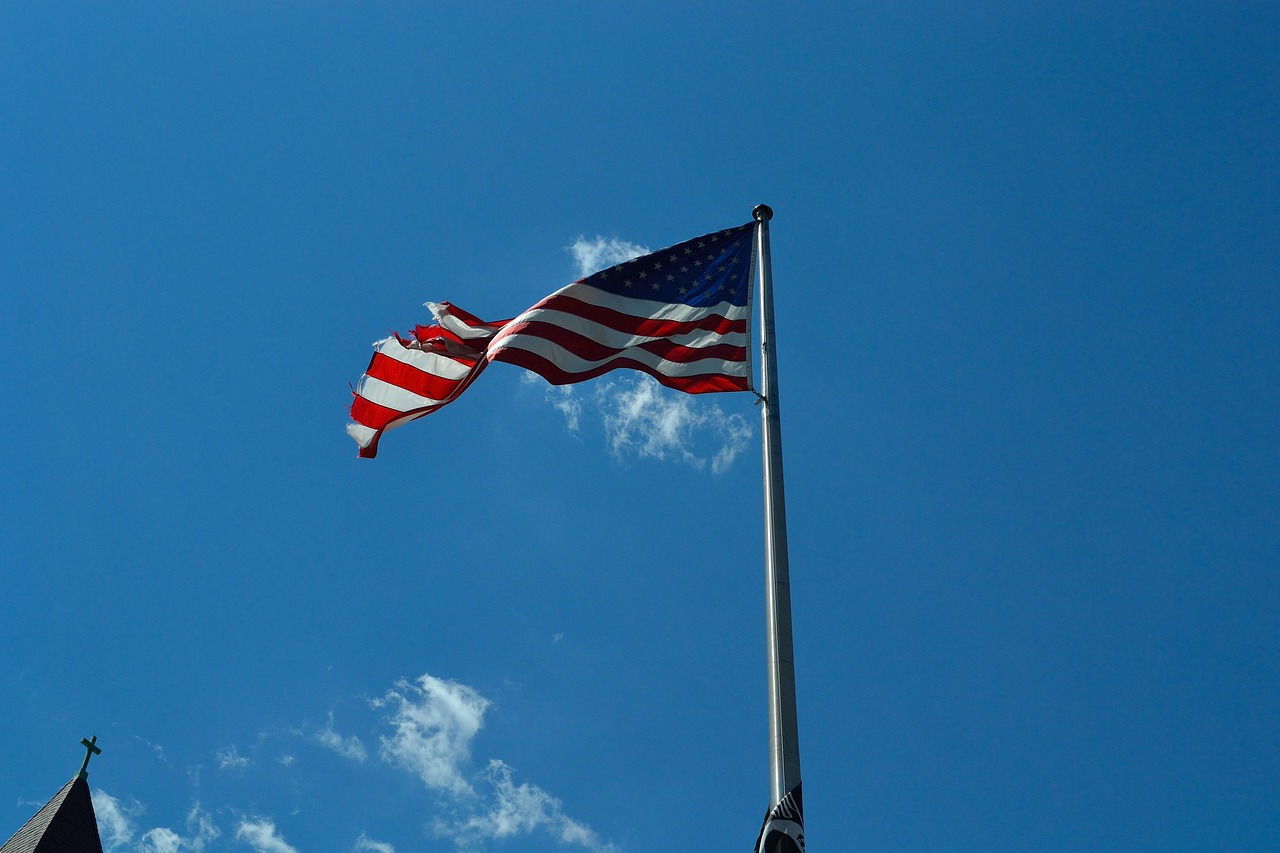
Building a comprehensive historical archive of US flags requires careful sourcing to ensure authenticity and historical accuracy. One of the best places to start is at a US Flag Store, where you can find a wide range of flags, from vintage collectibles to modern merchandise. These stores serve as a one-stop shop for both casual enthusiasts and serious collectors, offering not just flags but also a wealth of knowledge and resources.
When perusing a US Flag Store, look for flags that display the correct historical details, such as the specific dates and regions they represent. A flag with 13 stars representing the original colonies or a flag from a particular battle in the Civil War can offer profound insights into the US flag symbols meaning and the historical context behind them. Many US flag stores specialize in rare and vintage flags, providing access to pieces that can enrich your archive significantly. These flags might be more expensive but are invaluable for their historical significance and unique designs.
Ordering personalized US flags online from reputable stores is another strategic approach. This allows for a higher degree of customization, ensuring that each flag in your collection is unique. You can specify the exact dates, events, or designs that resonate with your collection's focus. If you're building an archive dedicated to the flags used in significant wars, you can order a flag from a specific battle, complete with the corresponding stars and stripes. This method is ideal for filling gaps in your collection or acquiring flags that are no longer in production.
Complementing your physical collection with US flag prints and paintings can offer a different perspective on flag history. These artistic representations can showcase the evolution of design elements, color schemes, and symbolic meanings over time. Hang these pieces alongside authentic flags to create a captivating display that tells a visual story of the US flag's rich history. Remember, a well-sourced historical archive is a sign of the flag's enduring significance, and a US Flag Store is an excellent starting point for building such a collection.
Caring for and Displaying Your Archives Properly
Caring for and Displaying Your US Flag Archives Properly
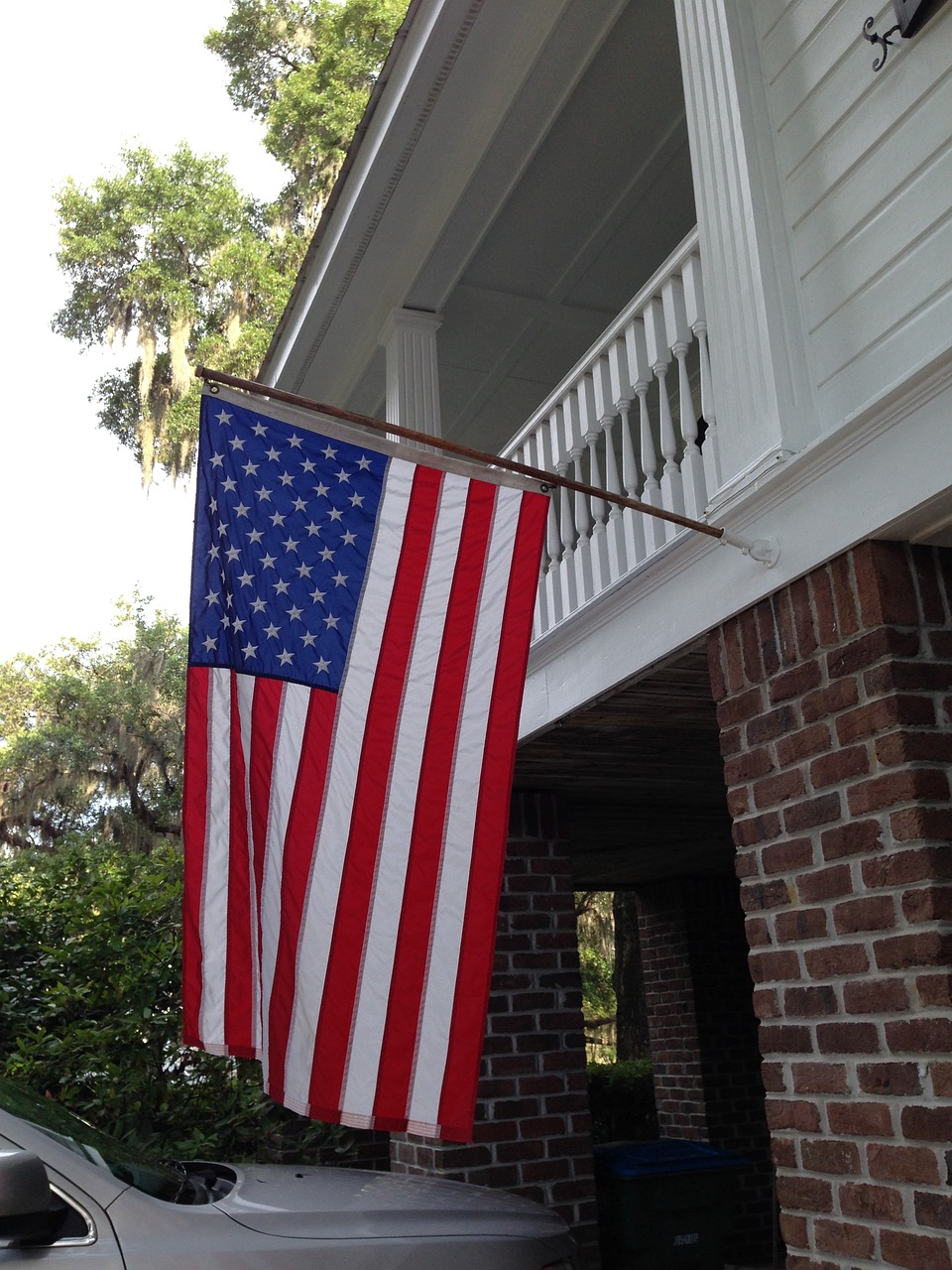
Proper care and display of your US flag collection is essential to preserve its history and significance. Flags, being delicate textile items, require specific handling to maintain their integrity and vibrancy. Start by storing your flags in a cool, dry place away from direct sunlight, heat sources, and moisture. This helps prevent fading, cracking, and mold growth. When not on display, fold your flags gently, avoiding any creases that could become permanent. Each flag, especially vintage or handmade pieces, may have unique folding instructions, so consult reputable sources or the flagmaker for guidance.
For optimal display, consider a location that allows for adequate lighting and protection from the elements. A dedicated display case, as you might find in a US flag store, can offer a secure environment, showcasing your flags while protecting them from dust and accidental damage. When hanging your flags, use appropriate hardware designed to support their weight. For indoor flags, use sturdy hooks or rods, and for outdoor displays, invest in high-quality poles and clips. Ensure flags are flown at the correct height, typically at half-staff for respect, and never allow them to touch the ground.
Flag Day, a significant US cultural event, offers a perfect opportunity to engage in flag care and display. Many US flag stores host promotions during this time, providing discounts on flag replacements and accessories. You can also use this occasion to teach others about the history and symbolism of the flag, reinforcing the significance of its colors, stripes, and stars. The red stripes symbolize courage, the white represents purity, and the blue stands for vigilance and justice-lessons that can be passed down through generations, just as your flag collection. Even DIY enthusiasts can contribute, creating flag crochet patterns or embroidery to add a personal touch to your historical archive.
Organizing and Documenting Your US Flag Collection
Organizing and Documenting Your US Flag Collection
Building a historical archive of US flags is a rewarding endeavor that requires careful organization and meticulous documentation. Whether you're a historian, collector, or enthusiast, maintaining a curated collection demands a structured approach. Start by categorizing your flags based on era, historical event, or specific significance. You might have a section for Revolutionary War flags, Civil War banners, and World War II memorabilia. This thematic organization makes it easier to locate and study individual pieces.
Documenting each flag's provenance is crucial. Record details such as the flag's origin, date of acquisition, and any relevant historical context. A simple database or spreadsheet can serve as your archive's backbone, allowing you to quickly search and filter flags based on various criteria. High-quality photography is essential; capture images from multiple angles and ensure the flags are properly lit to showcase their details.
Consider the condition of your flags when storing them. For vintage or delicate items, consult with conservation experts for the best preservation methods. Some flags, especially those made of fabric, may require periodic cleaning and repair. Regular maintenance ensures your collection remains in excellent condition for future generations. A US flag maker specializing in reproduction flags can assist with restoring historical accuracy while maintaining the fabric's integrity.
Explore creative ways to display and decorate with your US flag collection. Hang them in a dedicated space, frame notable historical pieces, or incorporate them into art installations. Customized US flag designs, available at reputable US Flag Store outlets, offer unique options for enhancing your space. And for those with a penchant for DIY projects, decorating with US flag art can be both creative and patriotic. Even inexpensive American flags for sale can be transformed into eye-catching home decor.
Sharing Your Historical US Flag Archive

Creating a comprehensive US flag collection is a rewarding endeavor, but it's not just about gathering artifacts; it's also about sharing the rich history and symbolism they represent. A well-curated collection can become a valuable educational resource, inspiring others to learn more about our nation's past. One of the most effective ways to do this is by showcasing your collection to the public, whether through exhibitions, online galleries, or even by lending flags to historical societies and museums.
When deciding how to share your historical US flag archive, consider the best US flag prints and paintings that will do justice to the flags' significance. High-quality reproductions can capture the intricate details and colors, making them suitable for display in homes or public spaces. Where to purchase patriotic decor is a common question, and a US flag store is an excellent resource for authentic or replica flags, flagpole hardware, and related accessories. Whether you're displaying flags indoors or outdoors, proper care and maintenance are essential to preserve their condition. The Flag Care Guide provides valuable tips on cleaning, storage, and handling, ensuring your collection remains vibrant and intact for future generations.
The timing of flag displays is also crucial. When should I fly the US flag? The answer depends on the occasion. National holidays like Independence Day and Memorial Day are obvious choices, but flags can also be flown at half-staff to honor fallen service members or during special community events. A flag retirement ceremony can be a meaningful way to educate others about the proper disposal of worn-out flags and the significance of each red and white stripe and blue field. Remember, the US flag is a symbol of our nation's values and history; sharing your collection responsibly will help keep this symbol alive and its meaning relevant for years to come. Find us at how do I choose the right US flag to best represent your collection and mission.
Building Your Own Historical Archive vs. Acquiring US Flag Collections
This section compares two approaches to creating a historical archive centered around US flags: building your own collection versus acquiring a curated US flag collection.
| Feature | Building Your Own Historical Archive | Acquiring US Flag Collections |
|---|---|---|
| Key Features | Gathering, preserving, and interpreting flags and related artifacts over time. | Purchasing or commissioning a pre-curated collection of US flags with historical significance. |
| Best Use Cases | Ideal for individuals, museums, or institutions dedicated to in-depth historical research and education. Offers maximum customization and control. | Suitable for educational institutions, historical societies, or individuals seeking a ready-made historical resource. |
| Strengths | Allows for the development of a truly personal or institutional voice in interpreting history through flags. Greater flexibility in choosing specific flags and artifacts that resonate with a particular focus or narrative. | Provides immediate access to a diverse array of historically significant flags, saving time and resources. May come with expert curatorial guidance. |
| Limitations | Can be time-consuming, expensive, and requires expertise in flag history and preservation. Gathering a comprehensive and representative collection may be challenging. | Limited flexibility in terms of the specific flags included and the narrative presented. Cost can vary widely depending on the collection's size and provenance. |
| Cost/Performance | Highly variable based on the scale and scope of the collection. Can be quite expensive, especially for rare or historically valuable flags. | Varies depending on the seller or auction house. Can offer excellent value for money, especially for well-curated collections. |
Quick Reference
-
Identify your collection focus: Determine the historical period, event, or theme to guide your US flag collection.
-
Research flag design and symbolism: Understand the historical context and meaning behind different flag variations to ensure accurate representation.
-
Source authentic flags: Prioritize acquiring flags from reputable historical societies, museums, or original manufacturers for authenticity.
-
Document flag provenance: Keep detailed records of each flag's origin, including its history, previous owners, and any restoration processes.
-
Store flags properly: Use acid-free materials and controlled environments to preserve flags, preventing damage and fading.
-
Curate and display thoughtfully: Arrange flags chronologically or thematically, providing context and explanations for visitors or viewers.
-
Consider legal and ethical aspects: Be aware of copyright, intellectual property, and cultural sensitivity when collecting and displaying historical flags.
-
Engage with experts: Consult historians, flag experts, or conservators for guidance on rare or valuable flags, ensuring accurate preservation.
-
Share your collection: Document and exhibit your collection to educate others, fostering a deeper understanding of US history and symbolism.
Situation
A small, local historical society in a southern US town was tasked with preserving and showcasing the region's rich history. However, they found themselves lacking a crucial component: a curated collection of significant American flags, specifically those with historical significance. This was more than just a display issue; the society wanted to educate the community about the diverse symbolism and evolution of the US flag, but they lacked the resources to acquire authentic, historically relevant pieces.
Action
The historical society decided to take a unique approach, combining their limited budget with community involvement to build their flag collection. They initiated a program where residents could contribute by purchasing and donating authentic historical flags, with the society providing guidance and resources to ensure the integrity of each piece. To ensure the collection's historical accuracy, the society partnered with local experts, including archivists and historians, who helped identify and verify the flags' significance.
They also created an online platform to catalog and showcase the collection, making it accessible to a wider audience. The site included detailed descriptions, historical context, and images of each flag, along with educational resources on flag symbolism and its evolution.
Result
In six months, the historical society received over 50 donations, significantly enriching their collection. The online platform generated over 1,000 page views per month, with users from across the country engaging with the collection's content. The society's programs and exhibits on flag symbolism drew record crowds, with an average of 200 visitors per event. The successful campaign not only boosted the society's resources but also fostered a deeper sense of community and cultural awareness, making the society a vibrant hub for historical education and preservation.
What is the purpose of building a US flag collection for historical archiving?
A historical archive of US flags serves as a tangible record of the nation's past, reflecting political, social, and cultural shifts over time. By collecting and preserving flags from various periods, you contribute to a visual history that can educate and inspire future generations. This collection can document pivotal moments, honor the service of military personnel, and preserve the heritage of communities and organizations.
How do I begin collecting US flags for my archive?
Start by identifying the types of flags you wish to collect, such as historical, military, or regional. Research their significance and rarity. Next, locate reputable sources, including historical societies, museums, and specialized dealers. Ensure that each flag is properly documented with information like its origin, date, and historical context. Proper preservation methods, like acid-free storage, are essential to protect the flags' integrity.
What criteria should I use to evaluate the quality of a US flag for my collection?
Examine the flag's fabric, stitching, and overall construction. Look for signs of wear, tear, or discoloration. Authenticity is crucial; check for any labels or certifications indicating its origin and age. Consider the flag's historical relevance and the reputation of the seller or source. Proper restoration or conservation is also important to ensure the flag's long-term preservation.
Can I display my US flag collection publicly?
Displaying your collection publicly can enhance its educational value and promote historical awareness. However, consider the sensitivity of the subject matter, especially regarding controversial symbols. Ensure that any public display is accompanied by appropriate context and interpretation to foster understanding and respect. Consult with local historical societies or cultural institutions for guidance on the best ways to share your collection with the public.
Where can I store my US flags to ensure their preservation?
Proper storage is vital for preserving the integrity of your collection. Use acid-free boxes and containers to protect the flags from light, moisture, and pests. Store them in a cool, dry place, away from direct sunlight. Consider climate-controlled environments for more valuable or delicate flags. Regularly inspect and maintain your collection to ensure any issues are addressed promptly.
What are some ethical considerations when building a US flag collection?
Ethical collecting involves respecting the cultural significance of the items and ensuring their provenance. Be mindful of the sensitivity surrounding certain flags, especially those linked to conflicts or controversial historical events. Obtain flags from reputable sources, ensuring they have been acquired ethically and with the consent of previous owners. Documenting the history of each flag in your collection also promotes transparency and integrity.
Building a historical US flag collection is a profound endeavor that involves meticulous research, careful sourcing, and thoughtful display. By engaging with the US Flag Store and following best practices for care and organization, you can create a valuable archive that preserves our nation's history and symbolism. Key takeaways include prioritizing authenticity, proper documentation, and respectful sharing. Next steps include visiting the US Flag Store for authentic pieces, learning about flag care through resources like The Cleaners' Journal, and documenting your collection meticulously for future generations. Sharing your archive through platforms like Pinterest or with local historical societies ensures that these important symbols remain accessible and meaningful to all.
Researching Your Historical Flag Collection:
- Choose flags from top-rated US flag suppliers, considering quality fabrics, craftsmanship, and historical accuracy.
- Research vintage or period-specific flags by year and context for a deeper understanding.
- Flag crochet patterns offer an artistic interpretation of US flag symbolism.
Building Your Collection:
- A US Flag Store is a one-stop shop for flags, knowledge, and educational resources.
- Look for flags with accurate historical details, such as dates and regions, to ensure authenticity.
- Flag Day is an excellent time to engage in flag care, display, and education, with many US flag stores offering promotions.
Organizing and Documenting:
- Categorize flags thematically for easy access and study.
- Document provenance, including acquisition date and historical context, using a database or spreadsheet.
- Preserve vintage flags with expert advice on conservation and repair methods.
Sharing Your Collection:
- Share through exhibitions, online galleries, or by lending flags to historical societies and museums.
- Choose high-quality reproductions for display, available at US Flag Stores, to capture intricate details.
- Follow flag care guidelines for proper storage and handling to ensure flags remain intact.
- Educate the public during special events, like flag retirement ceremonies, to promote understanding and respect.