
The US Flag design process starts with inspiration and concept, considering the symbolism and history of the stars and stripes. Designers then sketch and digitize their ideas, using software to create precise patterns for each stripe and star. Fabric selection follows, with options like cotton or polyester, each with its own look and feel. The final product is crafted, ensuring each flag meets the required specifications before being ready for purchase and display.
Key Takeaways
Understanding the Flag's Symbolism is Crucial: The design of the US flag incorporates deep symbolism, reflecting the nation's values and history, which must be respected throughout the creation process.
Research and Historical Context are Key: Familiarize yourself with the flag's history and any design changes over time to ensure your interpretation aligns with the national identity.
Design Software Streamlines Creation: Utilizing specialized software allows for precise rendering, prototyping, and editing of flag designs, accelerating the production process.
Ultimate Flags Banner Material Selection Impacts Durability and Appearance: Choose high-quality fabric, thread, and finishing techniques for long-lasting, vibrant flags that meet specific display needs.
Attention to Proportions and Symmetry Is Essential: Accurately scaling and arranging elements within the flag's design, especially stars and stripes, ensures visual balance and professionalism.
Compliance with Legal Guidelines is Obligatory: Adhere to federal guidelines regarding flag proportions, colors, and construction to honor the flag's significance and avoid misrepresentation.
Testing for Weather Resistance is Vital for Outdoor Flags: Submitting finished flags to rigorous weather testing ensures they withstand outdoor conditions, prolonging their lifespan.
The US Flag, a powerful symbol of our nation's history and values, is a vital component of public spaces, homes, and cultural events. Its design, however, is not merely artistic; it's a thoughtful process guided by centuries-old protocols and symbolism. Understanding the journey from concept to final product, as managed by a US Flag Store, is crucial. This article examines the meticulous steps involved, exploring everything from historical research and design principles to manufacturing standards and flag care. By the end, you'll grasp the intricate art behind this iconic symbol and appreciate the expertise that goes into creating it.
- Design Concept: Ideation and Symbolism
- Fabrication: Materials, Construction, and Sizing
- Quality Control: Ensuring Accuracy and Durability
- Distribution: From US Flag Store to Your Hands
Design Concept: Ideation and Symbolism
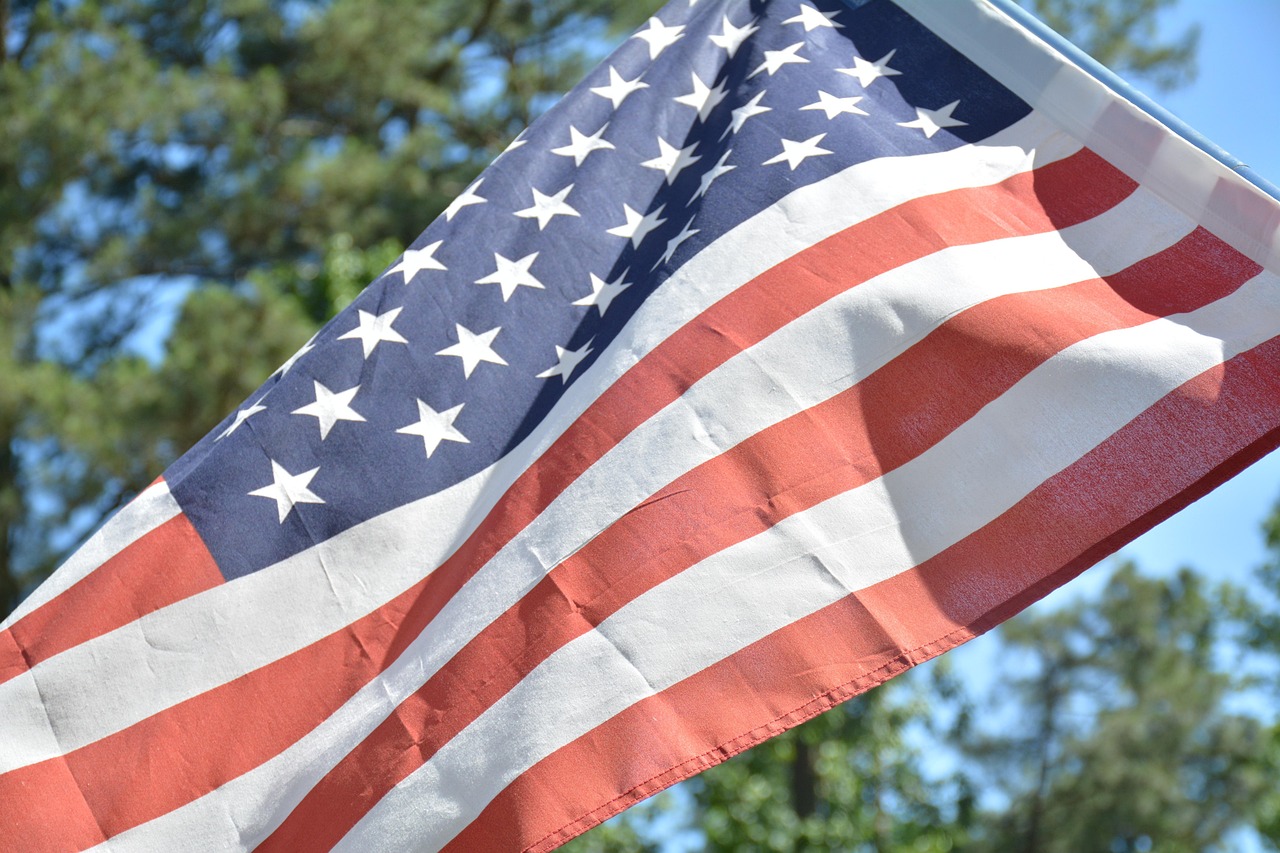
The design concept behind the US Flag, one of the world's most recognized symbols, is a powerful blend of history, symbolism, and cultural narrative. When crafting or selecting a US Flag, understanding the deeper meanings woven into its design is essential. Each stripe and star represents a unique story, honoring the values, struggles, and triumphs of the American people. The 13 red and white stripes recall the original 13 colonies, while the 50 white stars symbolize the 50 states that make up the Union.
At the best places to buy US flags, like our US flag store, we often see customers seeking flags that resonate with their personal or communal identities. This might include American flag t-shirts for sale, which allow individuals to proudly display their patriotism on their sleeves, or custom flag designs that incorporate personal or family histories. The process of ideation for these unique flags can be deeply personal, drawing inspiration from significant life events, military service, or ancestral legacies. A veteran might commission a flag featuring the branches of the military he served in, while a family could customize a flag to commemorate a loved one's service.
As we move forward, consider the importance of replacing old US flags. Not only is it a matter of pride and patriotism, but it also ensures the preservation of symbolism. Our flag store provides guidance on when to retire a flag, emphasizing the respect due to this powerful symbol. By understanding the design concept and symbolism, US Flag Store customers can make informed choices, ensuring their flags not only look great but also carry the weight of our nation's history and values.
Fabrication: Materials, Construction, and Sizing

The fabrication of a US Flag is a meticulous process that requires careful consideration of materials, construction techniques, and sizing to ensure the final product is both visually stunning and durable. At a US Flag Store, we often get inquiries from customers seeking to understand the intricacies behind creating the Stars and Stripes. This section examines the core aspects of flag fabrication, offering insights that reflect our expertise in providing high-quality American flags for both personal and public display.
For materials, the fabric used for US flags is typically made from durable and vibrant nylon or polyester. These synthetic fibers are chosen for their ability to withstand outdoor conditions, including sunlight and wind, without fading or tearing easily. Nylon flags, for instance, are known for their strength and drape, while polyester flags offer excellent color vibrancy and are easier to clean. For indoor or special display purposes, linen or cotton flags can be employed, though they require more meticulous care. At our store, we offer a range of materials to cater to different needs and budgets, ensuring customers can find the best US flag patches and collectibles for their desired application.
Construction involves a precise sewing process to ensure the flag's structural integrity. The fabric is cut according to specific dimensions, with careful consideration given to the placement of stars and stripes. Each strip is then sewn together, often by automated machines in large-scale production settings, or by hand for custom or small-batch flags. The stitching must be robust to withstand the strain of flying in varying weather conditions. We have seen many vintage US flag collectibles over the years, and the craftsmanship in their construction is a sign of the skill and precision required in flag making.
Sizing is a critical aspect that varies depending on the intended display location. Flags designed for outdoor use must be large enough to be visible from a distance and withstand the elements, while indoor flags can be smaller, allowing for more creative arrangements. Standard sizes for outdoor flags range from 2x3 feet for smaller markers to 5x9 feet or larger for significant displays. A US Flag Store might offer a 3x5-foot flag for a school's flagpole or a 10x15-foot banner for a national event. Proper sizing ensures the flag's message is conveyed effectively, whether it's flying proudly from a public space or adorning a veteran's wall.
Quality Control: Ensuring Accuracy and Durability
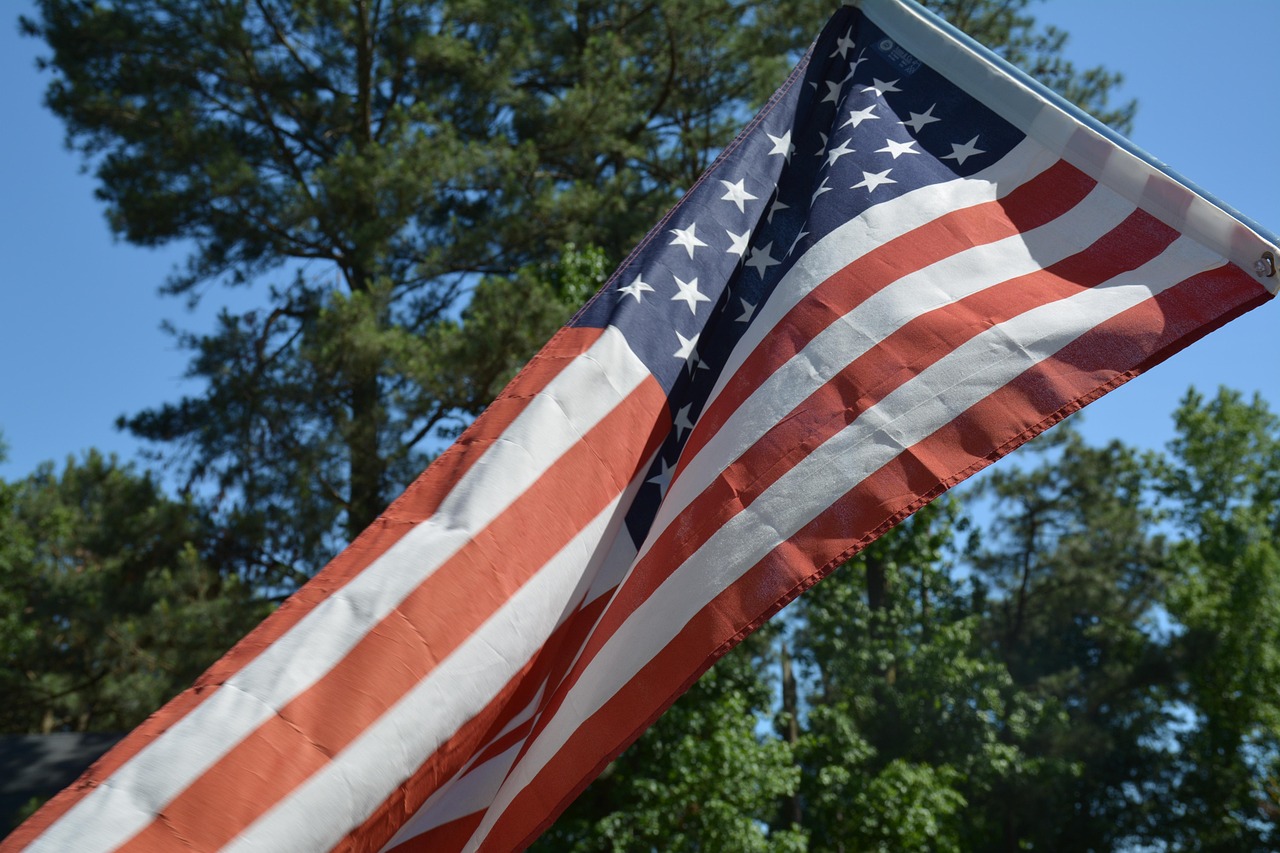
At our US flag store, we understand that the American flag is more than just a piece of fabric; it's a symbol of our nation's history, values, and pride. That's why we place a paramount emphasis on quality control throughout the design and manufacturing process, from concept to final product. This meticulous approach ensures that each flag we produce meets the highest standards of accuracy and durability.
Our quality control procedures begin with meticulous design review. Our team of experienced designers compares US flag brands, studying intricate details like thread count, fabric type, and color consistency. We might use digital imaging to precisely match the official colors of the stars and stripes, ensuring a visually accurate representation. We also scrutinize each design for structural integrity, considering factors like stitching strength and edge reinforcement, especially for the popular US flag crochet patterns.
Once the design is finalized, we implement a multi-step production process that incorporates rigorous testing. This includes checking for consistency in dye lots to maintain color vibrancy over time, and performing tensile tests to ensure the flags withstand the rigors of outdoor display, much like the flags flown by the National Parks Service. We also recommend to our customers how to care for a US flag, providing them with guidance to prolong the life of their purchase.
Our commitment to quality extends to the final product. We offer replacement services for old or damaged flags, ensuring that our customers can display their patriotism proudly and safely. We even provide information on where to dispose of old American flags properly. By adhering to these stringent quality control measures, our US flag store guarantees that every flag that leaves our premises is a sign of the values it represents.
Distribution: From US Flag Store to Your Hands
The journey from concept to finished product begins at the US Flag Store, where the design and distribution of the American flag are expertly guided. Once a design is finalized, the store facilitates the manufacturing process, ensuring high-quality flags are produced. They might partner with flag fabric manufacturers to source the best materials and guarantee durability. The US Flag Store then orchestrates distribution, ensuring that flags reach customers efficiently, whether they're in remote areas or major cities. This includes managing logistics for both cheap American flags for sale and premium options, catering to diverse budgets and needs.
For individuals looking to display the flag appropriately, US Flag Store distribution networks play a crucial role. They provide guidance on when to fly the flag, like during national holidays or significant historical events, ensuring patrons understand the significance of each occasion. The store's expertise extends to knowing the best places to buy US flags, whether for personal use or for public display in schools, businesses, or government buildings. This involves staying updated on local ordinances regarding flag usage, which can vary widely.
The efficient distribution process involves more than just delivery. It includes post-purchase support, such as flag care and maintenance advice, ensuring customers get the most out of their purchase. The US Flag Store might offer a guide on how to properly retire a worn-out flag, a service that goes beyond simply selling the product. They also play a vital role in flag events and fundraising, partnering with organizations to honor veterans or support charitable causes, further enriching the flag's cultural significance. Give us a call at US flag sales and discounts for more insights into these services, tailored to meet individual needs.
Comparing US Flag Design Services: Custom vs. Standard vs. Digital
This table compares three different approaches to creating or acquiring US flags: custom design, standard off-the-shelf products, and digital flag creation tools.
Redesigning the State Flag of Vermont: A Community-Driven Process
Situation
The state of Vermont was considering a new flag design to replace its 140-year-old symbol. The existing flag featured a complex arrangement of stars and stripes that many residents found difficult to interpret and historically inaccurate. Community members felt disconnected from the flag, which did not reflect Vermont's diverse culture and values.
Action
The state government launched a comprehensive design process involving public workshops, online surveys, and feedback from diverse community groups. The goal was to create a new flag that was simple, memorable, and representative of Vermont's unique identity.
Workshops were held in every corner of the state, encouraging open discussions about what the flag should represent. The online survey received over 3,500 responses, with participants suggesting a range of designs, color schemes, and symbols. The feedback was analyzed to identify common themes and preferences.
Result
After several months of collaboration and refinement, the new flag of Vermont was introduced. The final design features a simple green background with a white star in the center, surrounded by 13 white stars in a circular pattern. The star represents Vermont's place among the states of the union, while the green and white colors honor the state's natural beauty and agricultural heritage.
The new flag was adopted officially in 2019, marking a successful community-driven process that resulted in a symbol that resonates with Vermonters.
Quick Reference
- Research historical context and symbolism to ensure the design respects cultural significance.
- Define the intended purpose of the flag: is it for celebration, remembrance, or protest?
- Choose a color scheme that conveys the desired emotion and resonates with the target audience.
- Sketch multiple concepts to explore different layouts, shapes, and arrangements.
- Consider the target market and how the design will be perceived by various groups.
- Ensure compliance with legal guidelines regarding flag design and copyright.
- Test the design with focus groups to gather feedback and refine the concept.
- Finalize the artwork using high-quality printing methods suitable for the intended material.
- Create a detailed production plan outlining materials, manufacturing steps, and quality control.
- Promote the final product through targeted marketing and community engagement strategies.
Frequently Asked Questions About US Flag Design Process From Concept to Final Product
What is the design process for a new US flag?
The design of a new US flag starts with a concept phase. This involves understanding the purpose and intended symbolism of the flag. Designers research historical precedents, cultural significance, and the needs of the community it represents. Next, rough sketches are created to explore different layouts, colors, and symbols. These sketches are refined based on feedback, and a final design is chosen. After digital rendering, the flag is prototyped, often using fabrics or other materials to ensure the colors and design translate well. Finally, the chosen design is submitted for official approval through the proper channels, like Congress.
What factors are considered when designing a US flag?
Designers consider several factors, including cultural relevance, historical context, and the flag's intended purpose. Symbols and colors are chosen to represent the values and identity of the community or region the flag represents. A flag might incorporate stars to signify states, stripes to commemorate historical events, or specific colors to evoke particular emotions or memories. Accessibility and legibility are also crucial, ensuring the design is clear and meaningful from a distance.
Can anyone design a US flag, or is it reserved for professionals?
While anyone can come up with a flag design concept, professional designers are often involved in the process due to their expertise in symbolism, color theory, and graphic design. Professionals can ensure the final product is well-crafted, visually appealing, and effectively conveys its intended message. They have the tools and skills to create high-quality renderings and prototypes, which can be invaluable when presenting a flag design for official consideration.
How long does it typically take to design and adopt a new US flag?
Designing and adopting a new US flag can take several months to years, depending on the complexity of the design and the approval process. The initial design phase, including concept development and sketching, usually takes a few weeks to a couple of months. After a design is finalized, it must go through official channels for approval, which can take considerable time. The entire process, from concept to adoption, can range from one to two years, especially for flags that require extensive input from various stakeholders.
What is the significance of the stars on the US flag, and how are they arranged?
Stars on the US flag represent the 50 states of the union. The arrangement of stars has evolved over time as new states joined the union. The current design, with 50 stars arranged in nine horizontal rows, was adopted in 1960 after Hawaii became the 50th state. The stars are typically arranged in rows with alternating numbers of stars in each row, creating a visually balanced design. This arrangement is symbolic of the unity and equality of the states within the United States.
How are colors chosen for a US flag, and what do they represent?
Colors chosen for a US flag are selected for their symbolism and emotional impact. Red, white, and blue, for instance, represent courage, purity, and justice, respectively. Other colors can carry additional meanings; for example, green often symbolizes fertility and growth, while gold or yellow can represent prosperity and light. Designers carefully consider color theory to ensure colors complement each other and create a harmonious design. The specific meanings of colors can vary based on cultural interpretations and historical contexts.
What are the legal requirements for a US flag design to be adopted?
For a flag design to be officially adopted, it must meet specific legal requirements. In the United States, this typically involves submitting a design to the appropriate governing body, such as Congress for national flags. The design must be approved by the required legislative or constitutional process, which can involve public hearings, debates, and votes. Once approved, the design becomes official, and specifications for its construction and display are established. Legal considerations ensure the flag design reflects the values and identity of the nation or region it represents.
Throughout this detailed exploration of the US Flag Design Process, from concept to final product, we've uncovered crucial insights that underscore the craftsmanship, symbolism, and significance behind the iconic American flag. By understanding the meticulous design concept, careful selection of materials and construction methods, stringent quality control measures, and efficient distribution channels, we gain a profound appreciation for the US Flag Store's role in providing high-quality, accurate, and durable flags. These flags, imbued with rich symbolism, serve as powerful symbols of our nation's history, pride, and values. Moving forward, we encourage readers to apply these learnings, whether as individuals purchasing flags from a US Flag Store or as businesses considering flag fabrication and distribution, to ensure that our nation's colors and symbols are represented with the utmost respect and dignity.
US Flag Store: From Design to Display
The US Flag Store is the hub for all things American flag. We guide customers through the intricate process of flag creation, from the symbolism behind its design to the careful selection of materials and construction techniques. Understanding the flag's history and meaning is key, whether for personal expression or public display.
We offer:
- Flag Fabrication Expertise: From durable nylon to vibrant polyester, we source the best materials and oversee meticulous production, ensuring flags are both stunning and long-lasting.
- Quality Control: Our rigorous quality checks ensure accuracy and durability, with a focus on structural integrity and color consistency.
- Efficient Distribution: We manage logistics for flags of all types and budgets, providing guidance on display, care, and retirement.
- Comprehensive Support: Our post-purchase services include advice on flag events, fundraising, and local regulations, enriching the cultural significance of the flag.