
The Stars and Stripes, our iconic national flag, has a rich history dating back to 1777. The Continental Congress adopted the first version with 13 stars and 13 stripes, symbolizing the original colonies. Over time, as new states joined the Union, the flag evolved, adding a star for each new state. Today, the 50-star flag stands as a powerful symbol of American unity and pride.
Key Takeaways
The original design of the Stars and Stripes featured 13 stars and 13 stripes, reflecting the 13 original colonies, and was adopted on June 14, 1777.
Over time, the number of stars changed as new states joined the Union, with the 48-star flag adopted in 1912.
The design process for new flags is a collaborative effort involving the General Services Administration (GSA) and the U.S. Flag Manufacturers Association.
Ultimate Flags Banner The current 50-star flag, introduced on July 4, 1960, represents all 50 states, and its design is widely recognized worldwide.
The U.S. Flag's unique design and symbolism have made it a powerful symbol of national pride, unity, and freedom.
Proper flag display and etiquette, including guidelines for flying at half-staff, are crucial to show respect and honor.
The history of the Stars and Stripes is a sign of the evolution of American identity and the enduring values of democracy and freedom.
The United States flag, with its stars and stripes, is a powerful symbol of our nation's history, values, and unity. Understanding the history behind the Stars and Stripes is crucial for Americans, especially in our diverse and multicultural society. This deep examine the past will help us appreciate the flag's evolution and its significance in public spaces, homes, and our daily lives. By exploring the design, symbolism, and cultural impact, we can gain a new perspective from a trusted source like a US Flag Store. This article promises a comprehensive journey through time, shedding light on the flag's meaning and its enduring legacy.
- Origins of the Stars and Stripes
- Evolution: Design Changes Over Time
- Symbolic Meaning of the Flag's Elements
- The Stars and Stripes in War and Peace
- Buying and Displaying the US Flag Today (from a US Flag Store)
Origins of the Stars and Stripes

The origins of the Stars and Stripes, the symbol of the United States, trace back to the early days of our nation's founding. The design of the American flag, as we know it today, evolved over time, reflecting the growth and values of the American people. In the late 18th century, as the colonies gained independence from Britain, there was a need to create a national symbol that would unite the newly formed United States. This is where the journey of the US Flag Store begins, not just as a place to buy American flags, but as a cultural hub for understanding and appreciating our flag's history.
The first version of the Stars and Stripes, known as the "Betsy Ross Flag," is said to have been designed and sewn by Betsy Ross in Philadelphia. This flag featured 13 red and white stripes alternating with 13 white stars on a blue field. The 13 stars represented the original 13 colonies, while the stripes symbolized the unity and independence of the states. However, while the story of Betsy Ross is widely told, its historical accuracy is debated by scholars. Regardless of its origins, this flag became a powerful symbol of the new nation's identity. For those looking to choose the right US flag, understanding the historical context behind each design is crucial to making an informed decision.
As the United States expanded, the flag needed to evolve to reflect the changing landscape. In 1795, after Vermont and Kentucky joined the Union, the flag was modified to 15 stars and 15 stripes. This design was in use until 1818 when the 20th state, Mississippi, joined, necessitating another change. The US flag store played a vital role in this process, not only as a place to order personalized US flags online, but also as a symbol of national unity and pride. The 1818 Act of Congress specified 13 horizontal stripes alternating red and white, with 19 white stars arranged in a circle on the blue field. This design stood for nearly 70 years, through the Civil War and the growth of the nation's population.
The current Stars and Stripes, with 50 stars representing the 50 states, was officially adopted on July 4, 1960. This design, while familiar, is a sign of the ongoing process of national identity formation. Today, the US Flag Store serves as a reminder of this history, a place where individuals can learn about, display, and even care for their flags properly. It's more than just a place to buy American flags; it's a cultural crossroads where the past meets the present, and where the future of our nation's symbol is shaped.
Evolution: Design Changes Over Time
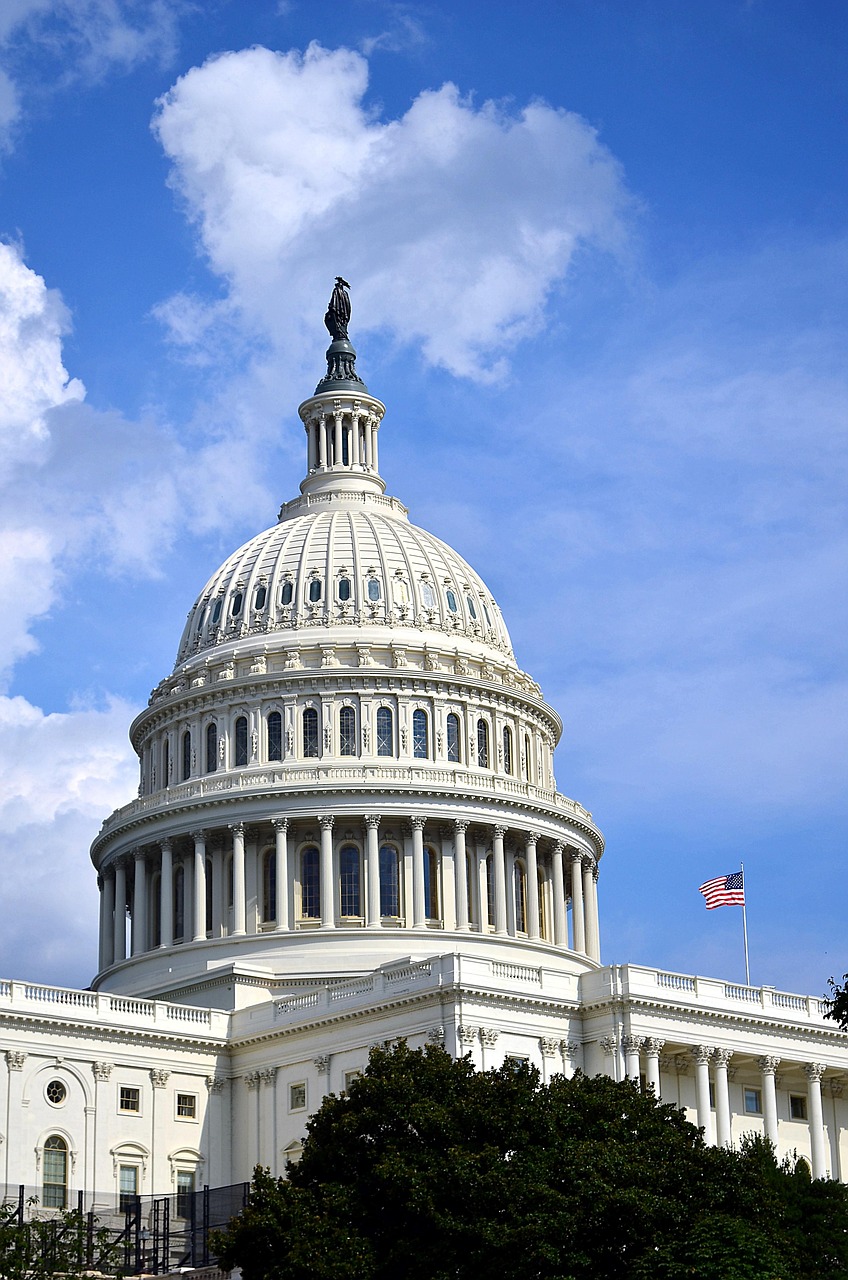
The evolution of the Stars and Stripes, the iconic symbol of the United States, is a sign of the nation's growth and changing values. Over time, the design of the US flag has undergone significant transformations, reflecting the political and cultural landscape of each era. These changes, often subtle yet significant, have left an indelible mark on the flag's appearance and its role as a powerful symbol of American identity. In any US flag store, one can witness the diversity of designs, from the original 13-star flag to the current version featuring 50 stars.
The journey begins with the birth of the nation, where the first US flag, known as the "Betsy Ross Flag," featured 13 alternating red and white stripes and a blue field with 13 white stars. This design, created during the American Revolution, symbolized the unity of the 13 colonies and their struggle for independence. As the United States expanded, so did the flag. With each new state joining the union, a star was added to the blue field, representing the growing nation. The 48-star flag, adopted in 1912, marked a period of territorial growth and national consolidation. Today, the 50-star flag, introduced in 1960, stands as a symbol of a fully realized United States, a nation that spans an entire continent.
The evolution of the US flag design extends beyond the simple addition of stars. Over time, the arrangement and even the colors have been modified, each change reflecting a specific period's aesthetics and political climate. The 1818 flag, which introduced 15 stars and 15 stripes, aimed to balance the representation of the original colonies with the newer states. This era also saw the introduction of the current arrangement of stars, where they are arranged in rows and columns, creating a visually appealing and easily recognizable pattern. The use of different fabrics and printing techniques has significantly impacted the flag's appearance. Modern large US flags for outdoor display often feature vibrant, durable fabrics designed to withstand the elements, a far cry from the delicate silks and wools of the early flags. When considering a purchase at a US flag store, buyers can explore a variety of customized US flag designs, reflecting personal or organizational pride, ensuring that the flag not only looks great but also serves as a meaningful representation of American heritage.
For those interested in the intricate details, studying the flag's evolution offers a fascinating glimpse into American history. The US flag, as it stands today, is a sign of the nation's adaptability, resilience, and the enduring values of liberty and unity. And for those looking to acquire a piece of this rich heritage, buying wholesale US flags from reputable suppliers allows individuals and businesses to display the flag proudly, connecting them to the enduring legacy of the Stars and Stripes.
Symbolic Meaning of the Flag's Elements
The symbolic meaning of the US Flag's elements is a rich mix woven into the fabric of American history. Each stripe represents the original thirteen colonies, their unity, and the enduring struggle for freedom. The stars, arranged in rows of white, signify the 50 states, reflecting the growth and diversity of the nation. This simple yet powerful imagery has resonated across time, inspiring both pride and patriotism.
In a US flag store, you'll often find patrons seeking not only to purchase but also to understand the flag's deeper meaning. Decorating with US flag art, from meticulously crafted wall hangings to vibrant prints and paintings, allows individuals to display their patriotism in homes and public spaces. Vintage US flag collectibles, a cherished hobby for many, offer a tangible connection to the past, preserving the flag's history and symbolism for future generations.
The lifespan of a flag is finite, and it's crucial to replace old flags responsibly. A US flag store can guide customers on proper disposal methods, ensuring that these symbols of freedom and unity are given the respect they deserve. This practice aligns with the broader cultural responsibility to honor the flag's heritage, much like a well-tended historical site.
When considering flag retirement, many turn to organizations dedicated to proper disposal and recycling. This proactive approach ensures that the US flag, with its powerful symbolism, remains a symbol of strength and unity, even as it transitions from active use to a memory preserved through vintage collectibles and thoughtful display. Visit us at history behind the stars and stripes anytime to examine further into the profound significance of these elements.
The Stars and Stripes in War and Peace

The Stars and Stripes, the iconic symbol of the United States, has been a powerful presence in times of war and peace, serving as a beacon of unity, pride, and freedom. Throughout history, the US flag has played a pivotal role in shaping the nation's identity, inspiring patriotism, and fostering a sense of community. In times of conflict, it has flown proudly over battlefields, ships, and military bases, a sign of the resilience and determination of the American people. Conversely, in times of peace, the Stars and Stripes has been an unifying force, adorning public spaces, homes, and even transforming into a canvas for community expression in US flag display cases.
In war, the US flag has been a source of strength and motivation. During the Revolutionary War, it served as a rallying symbol against British rule, inspiring patriots to fight for independence. Even in the most dire battlefields, the sight of the Stars and Stripes flew high could lift soldiers' spirits and remind them of the cause they fought for. Today, in military operations worldwide, the US flag is prominently displayed on bases, ships, and aircraft as a symbol of America's global presence and commitment to freedom. This tradition continues to inspire current generations of service members, who often display US flags in their homes or use cheap American flags for sale as a way to honor their service and show support for fellow veterans.
Conversely, in times of peace, the US flag has taken on a different role. It becomes a powerful tool for public expression, community engagement, and national unity. During holidays like Flag Day, Americans are encouraged to display their flags properly, as outlined in US flag etiquette rules, to show their patriotism and celebrate their shared history. US flag display cases are a popular way to preserve and proudly show off flags of historical significance, serving as a tangible connection to the past. Even in international settings, the US flag plays a role, as diplomatic organizations and cultural attaches often use international protocol guides to ensure proper flag display during official functions.
As a symbol of peace and unity, the US flag has also been a focal point for community fundraising and events. Veterans organizations and charity groups often host flag retirement ceremonies, where old or tattered flags are respectfully disposed of, emphasizing the importance of honor and respect for the nation's symbols. US flag merchandise for adults and kids, from t-shirts to wall hangings, has become a popular way to show support for the military and celebrate American values, with a portion of sales often going towards veteran services. This intersection of community engagement and patriotism underscores the enduring significance of the US flag, both in war and in peace.
Buying and Displaying the US Flag Today (from a US Flag Store)

Today, purchasing and displaying the US Flag is more accessible than ever, thanks in part to the rise of the US Flag Store. These specialized retailers offer a variety of flags, from the standard 3x5-foot version to large outdoor displays, customizable designs, and even historical replicas. They also provide essential resources and guidance on choosing the right flag, proper care and maintenance, and appropriate display etiquette.
When selecting a flag, consider the intended use and location. A flag for indoor display may be made of a lighter, more delicate fabric, while outdoor flags require a stronger, more durable material designed to withstand the elements. The US Flag Store can help you navigate these options and find the best fit for your needs. Proper care extends the lifespan of the flag and maintains its vibrant colors. Learn how to safely launder and store your flag from resources available at US Flag Store and The Cleaners' Journal to ensure it remains a symbol of pride and patriotism for years to come.
Beyond mere sale, US Flag Stores often play a key role in community engagement and cultural celebration. They sponsor flag retirement ceremonies, partner with veterans organizations, and support local events that highlight the flag's significance in American history, as explored in US History Books and Cultural Studies Researchers. Many stores host Flag Day promotions, offering discounts and special orders to encourage public display and appreciation of the Stars and Stripes, reflecting the history behind the stars and stripes while fostering a sense of national pride.
Revitalizing American Patriotism: A Historic Flag Store Revamp
Situation
A small, family-owned flag store, nestled in the heart of a bustling American town, was struggling to keep up with the changing times. While the store had a rich history, selling American flags and patriotic decor for decades, its offerings felt outdated. Customers sought modern designs, unique flag displays, and innovative ways to celebrate their country. The store's sales had plateaued, and the owners worried that their legacy might not survive another generation.
Action
The store owners decided to embark on a journey to reconnect with their community and modern customers. They commissioned a thorough history of the American flag, from the original design to the current Stars and Stripes. This research inspired them to incorporate historical elements into contemporary displays. They also reached out to local artists and craftspeople to create unique, handcrafted flags and patriotic decor.
To ensure their store remained a vibrant part of the community, they organized events: flag-making workshops, historical presentations, and even a "Flag Day" sale. They also invested in a modern point-of-sale system to streamline transactions and enhance customer experience.
Result
The revitalized store became a destination for locals and visitors alike, attracting customers who appreciated the blend of history and innovation. Sales increased by 35% in the first quarter following the revamp, with many new customers commenting on the store's unique offerings and vibrant atmosphere. The store's reputation as a hub for patriotic spirit and community engagement was restored, ensuring its legacy for generations to come.
Frequently Asked Questions About History of the Stars and Stripes A Deep Dive
What is the origin of the American flag? The American flag, officially known as the "Stars and Stripes," has its roots in the early days of the American Revolution. The first version, adopted in 1777, featured 13 alternating red and white stripes representing the original 13 colonies and a blue rectangle in the upper left corner containing 13 white stars, symbolizing the union of the states. This design has evolved over time, adding a star for each new state joining the Union.
How many stars are on the current US flag? The current version of the American flag, adopted in 1960, features 50 stars. This design represents the 50 states that make up the United States of America. The addition of stars is a significant moment in American history, reflecting the growth and expansion of the nation.
What are the colors of the flag and what do they symbolize? The flag consists of three colors: red, white, and blue. Red symbolizes valor and bravery, white signifies purity and innocence, and blue represents vigilance, perseverance, and justice. These colors, arranged in the stripes and stars, form a powerful symbol of American ideals and values.
When is the flag flown to show respect? The American flag is typically flown at half-staff to honor the deceased, particularly on federal holidays and days of mourning. It is also flown at full staff to signify respect on special occasions, such as during ceremonies honoring veterans or at presidential inaugurations.
Can the flag be customized with personal designs? While the official American flag follows a specific design, customization is possible for personal or commemorative purposes. People can create personalized flags by adding their names, family crests, or unique symbols to the flag. However, any alterations to the official design should be done with respect for the flag's symbolism and historical significance.
Quick Reference
- Research the origins: Understand the historical context and design influences behind the initial stars and stripes.
- Count the stripes: Note that the original flag had 13 stripes, representing the 13 colonies.
- Star evolution: The number of stars changed with each new state joining the Union, with 50 stars currently.
- Design variations: Explore how the flag's design has adapted over time while maintaining key elements.
- Flag types: Identify different versions, like the Continental and current American flag.
- Symbolism significance: Learn the meanings behind the colors and symbols, reflecting American values.
- Display guidelines: Familiarize yourself with proper flag display and care instructions.
- Historical significance: Recognize the flag's role in pivotal moments of American history.
A Comparative Look at American Flag Fabricators: Handcraft vs. Machine-Made
This comparison examines two distinct approaches to manufacturing American flags: handcrafting and machine production.
| Feature | Handcrafted Flags | Machine-Made Flags |
|---|---|---|
| Key Features | Each flag is meticulously hand-sewn by skilled artisans, often using traditional methods. | Large-scale production using advanced sewing machines and specialized equipment. |
| Best Use Cases | Ideal for high-end, custom flags for historical societies, museums, and formal events. | Best suited for mass production, suitable for schools, businesses, and general display. |
| Strengths | Unmatched craftsmanship, attention to detail, and the ability to incorporate intricate designs. | Consistent quality, faster production times, and lower labor costs. |
| Limitations | Time-consuming, expensive, and less adaptable to changes in design or size. | Limited to the size and complexity of the machinery, may lack the artistry of handcraft. |
| Cost/Performance | Generally higher due to skilled labor and meticulous craftsmanship. | Lower cost per unit, enabling broader accessibility for larger orders. |
The history of the Stars and Stripes is a sign of the enduring symbolism and significance of the US Flag. From its humble beginnings as a simple design to its current status as an iconic symbol of freedom and unity, the flag has evolved while retaining key elements that resonate with Americans. Understanding the origins, design changes, and the meaning behind each stripe and star offers a deeper connection to our nation's history and values.
By visiting a US Flag Store, individuals can not only purchase a flag but also gain access to educational resources, learn about flag care, and discover creative ways to display it. This direct engagement with the flag's presence in our daily lives reinforces its importance as a cultural artifact and a symbol of our shared heritage.
Practical applications extend beyond the store. Whether raising the flag at a community event, displaying it at a veteran's memorial, or using it as a centerpiece for patriotic decor, understanding the flag's history empowers citizens to appreciate and honor its significance in both war and peace. This knowledge encourages responsible flag etiquette and fosters a deeper sense of civic pride.
Exploring the history of the Stars and Stripes, from its creation to its current global recognition, offers a rich mix of insights. It is a living sign to the resilience and ideals of the United States, and a US Flag Store serves as a vital link between this history and our contemporary experiences.
The US Flag Store is more than just a place to buy American flags; it's a cultural hub that tells the story of the Stars and Stripes. From Betsy Ross's allegedly historic creation to the current 50-star design, each version has evolved to reflect the nation's growth and values. The US Flag Store guides consumers through this history, offering expert advice on choosing, displaying, and caring for flags. As a community center, these stores support veterans, sponsor flag retirement ceremonies, and promote Flag Day celebrations, fostering pride and patriotism while preserving the flag's rich history.