
Key Takeaways
- Start building your collection with a clear understanding of the US flag's historical significance and symbolism.
- Research the various flag designs and their evolution to create a comprehensive archive.
- Source flags from reputable suppliers who offer a range of materials and sizes, ensuring quality.
- Properly display and care for your flags to preserve their integrity and meaning.
- Consider unique presentations like crochet patterns or fabric recreations for a creative touch.
- Explore vintage collectibles to add depth and rarity to your historical archive.
- Learn about flag etiquette and when to fly the flag to respect its importance.
Building a historical archive of US flags involves collecting unique, authentic flags from different periods. Start by researching and purchasing flags from reputable stores, ensuring each piece is properly aged and authentic. Consider flags from various eras, like the original 13-star flag or later versions with state seals. Properly display and care for each flag to preserve their history and significance.
The US flag, a powerful symbol of our nation's history and values, deserves a place of honor in every home and community. However, collecting and preserving these historic artifacts can be a challenge, especially for those without access to specialized US flag stores. This article guides you through the process of building your own historical archive, focusing on the art of collecting, preserving, and displaying US flags. By the end, you'll be equipped to start your own meaningful collection, enriching your space and understanding of our nation's heritage.
- Researching Historical Flags at a US Flag Store
- Acquiring Rare and Vintage Pieces
- Curating a Themed Collection
- Conserving and Displaying Your Archive
- Digitalizing and Documenting Your Collection
- Sharing Your Historical US Flag Archive
Researching Historical Flags at a US Flag Store
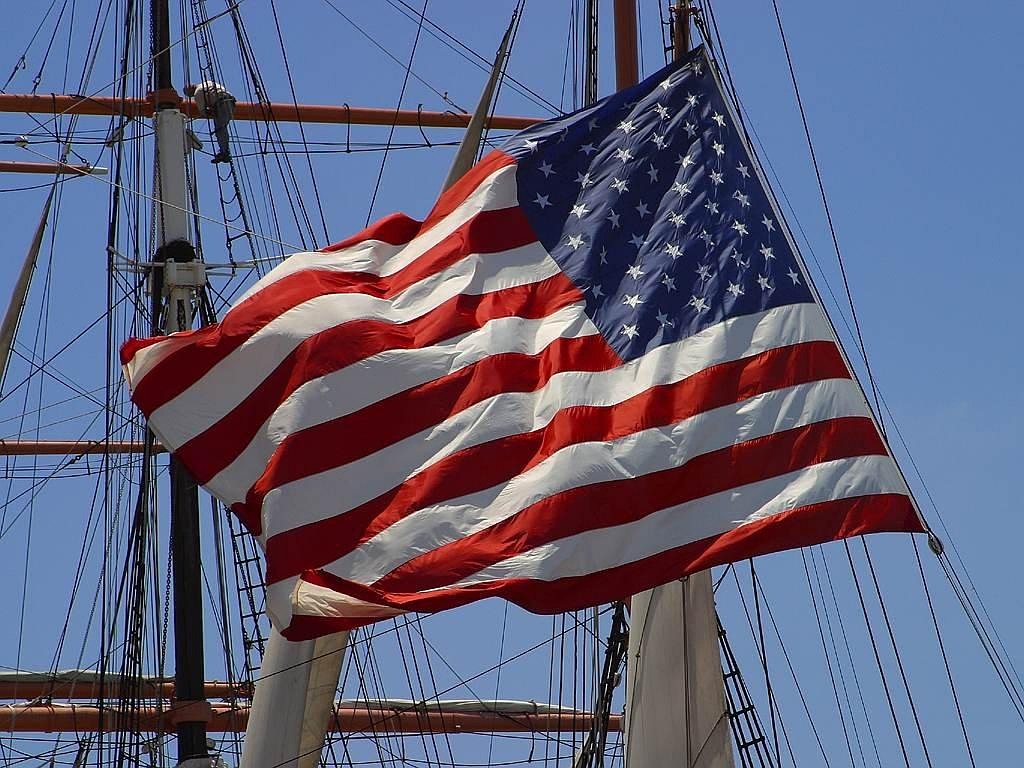
Researching historical flags at a US flag store is an essential step in building a comprehensive historical archive. These stores offer a unique opportunity to examine the rich mix of American history through the flags that have represented our nation over the years. Whether you're a historian, educator, or passionate collector, understanding the significance of each flag and its place in time is crucial.
A US flag store is not just a place to purchase flags; it serves as a repository of cultural and historical artifacts. Many stores specialize in vintage and antique flags, providing access to pieces that tell stories of past conflicts, celebrations, and significant events. You might find a flag from the Civil War era, showcasing the early design of the stars and stripes, or a flag from the 1960s with the iconic 50 stars representing the then-current states. These stores often have knowledgeable staff who can offer insights into the historical context and symbolism of each flag.
When researching, consider the following: first, determine the era or event you wish to focus on. Then, peruse the displays or ask staff for recommendations. They might suggest specific flags that fit your criteria, whether it's a particular war, historical figure, or cultural milestone. Explore the option of buying wholesale US flags from these stores, which can provide cost-effective access to a wide range of historical designs. You could purchase flags from different decades to create a visual timeline, or focus on flags from significant battles to create a poignant display. Remember, the right US flag display cases and creative American flag decor ideas can turn your archive into a captivating and educational exhibit.
Finally, if you're unsure where to begin, consider how do I choose the right US flag? A US flag store can offer guidance based on your research goals and budget. They can help you navigate the vast array of historical flags, ensuring that your collection is both authentic and meaningful.
Acquiring Rare and Vintage Pieces

Acquiring rare and vintage US flags is a critical component of building a comprehensive historical archive. This involves a meticulous search for pieces that not only represent significant historical moments but also reflect the evolution of the flag's design and symbolism over time. Many rare and vintage flags can be found through dedicated collectors, estate sales, and specialized auctions. Flags from pivotal historical events like the American Revolution or the Civil War often command high prices and are highly sought after.
A strategic approach to acquiring these pieces involves frequenting established US flag stores that cater to both the retail and collector markets. These stores often have connections with flag manufacturers, collectors, and auction houses, allowing them to source rare and vintage flags. Visiting these establishments on a regular basis, especially during flag day US flag store promotions, can yield significant discounts and exclusive finds.
Proper care is paramount when dealing with vintage flags. The Cleaners' Journal and other home maintenance blogs offer valuable guidelines for cleaning and storing these delicate pieces. Replacing old US flags is crucial to preserving their historical value and aesthetic appeal. While some flags can be restored, it's often best to preserve them in their current condition, ensuring their authenticity and historical significance. US flag wall hangings, for example, can be displayed in museums, historical societies, or even private homes, serving as tangible links to the past.
Integrating rare and vintage flags into your historical archive requires a deep understanding of their cultural significance. The US History Books and Cultural Studies Researchers can provide valuable context, helping you understand the symbolism and events associated with each flag. This knowledge not only enhances the archival value but also makes the collection more engaging for visitors, especially during fundraising events organized by veterans organizations or national parks services. Incorporating flag-themed art and merchandise, such as those available during flag day promotions, can add a dynamic visual element to your archive, making it more accessible and appealing to a broader audience. Visit us at US flag gifts for veterans anytime to explore these unique and meaningful additions to your historical collection.
Curating a Themed Collection

Curating a Themed US Flag Collection: A Historical Archive
When building a historical archive centered around American flags, a strategic approach to curating themed collections can significantly enhance its depth and significance. This involves selecting flags based on specific historical periods, events, or themes, allowing for a more focused and engaging display. You might create a collection showcasing the evolution of the stars and stripes, featuring flags from different eras, each with a unique design reflecting the nation's changing landscape.
The process of curating such a collection requires a deep understanding of the history behind the stars and stripes, as well as the ability to source rare and vintage flags. Many US flag stores specialize in these unique pieces, offering a wealth of knowledge and access to hard-to-find artifacts. A flag store might acquire a historic flag from a local antique market, meticulously documenting its provenance and adding it to the collection along with relevant historical context. This not only enriches the collection but also ensures the preservation of rare historical artifacts.
Another creative approach is to encourage visitors to contribute to the archive by recreating the US flag with fabric. This hands-on experience allows people to connect with the flag's symbolism and understand the intricate design process. Similarly, the display of US flag crochet patterns can highlight the artistic talent and cultural significance of these traditional crafts.
Finally, consider incorporating US flag gifts for veterans as a way to honor their service and add a personal touch to the archive. The US flag store can collaborate with local veterans organizations to display and sell custom flag products, with proceeds supporting veteran initiatives. This not only funds meaningful causes but also underscores the enduring respect and appreciation for those who have served their country.
Conserving and Displaying Your Archive
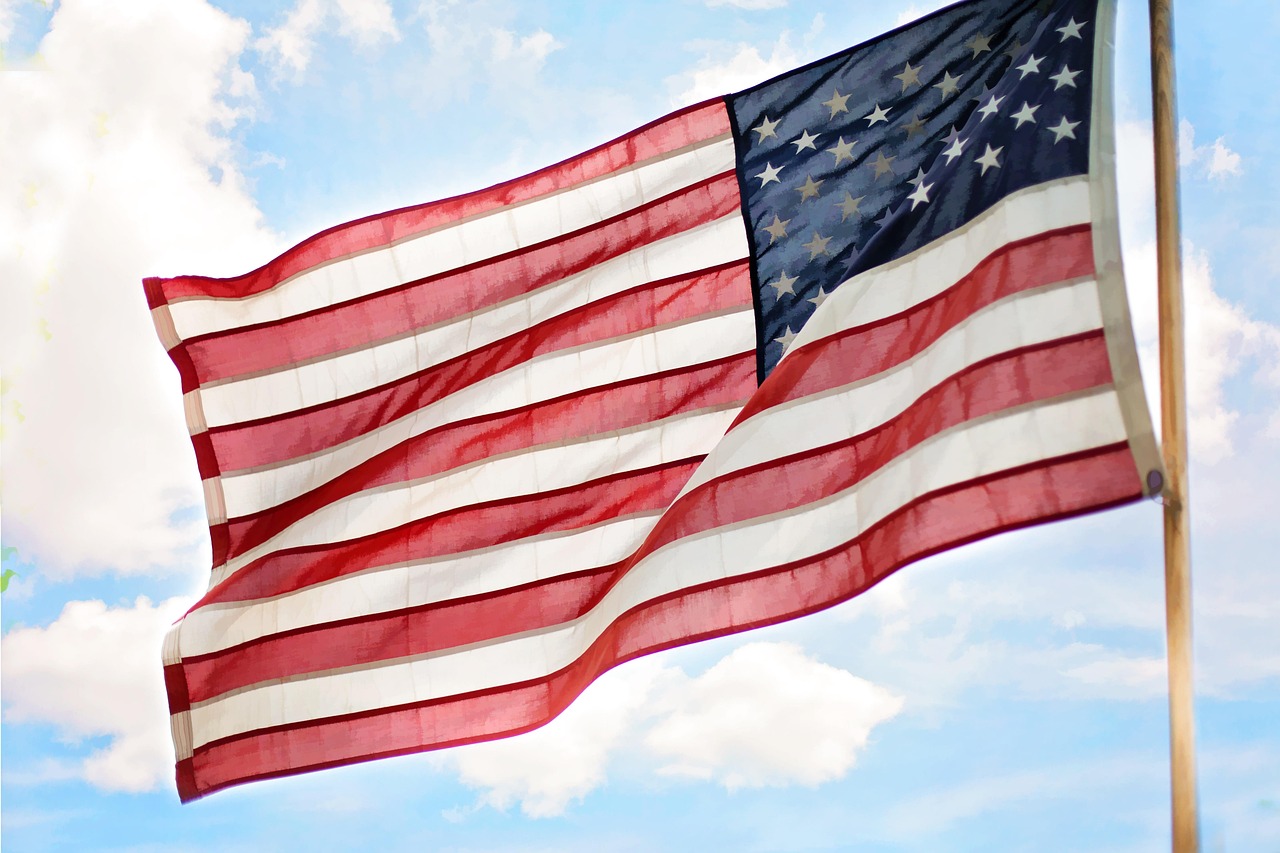
Conserving and displaying your US Flag collection is a critical step in building a comprehensive historical archive. Proper care ensures the longevity of these valuable symbols, allowing future generations to appreciate their significance. The process involves several key considerations, from storage to exhibition. Storing flags properly in acid-free materials and maintaining a cool, dry environment can significantly extend their lifespan.
When showcasing your collection, American flag wall hangings offer a visually appealing and respectful way to display the stars and stripes. These wall pieces are designed to withstand the elements and showcase the flag's rich history and symbolism. Many US flag stores offer a variety of options, from traditional to modern interpretations, allowing you to curate a display that reflects your unique collection. During Flag Day, these stores often host promotions, providing excellent opportunities to acquire new pieces or accessories for your archive at discounted rates.
For a more immersive experience, consider wholesale flag purchases. Buying in bulk can be cost-effective and allows for the creation of eye-catching, large-scale installations. Whether you're planning a community event or a permanent display, wholesale flags offer a practical and affordable solution. Remember, the goal is to preserve the history and spirit behind the stars and stripes while making your archive accessible and engaging for all.
Finally, always be mindful of the legal and ethical considerations surrounding flag display, especially in public spaces. Understanding the appropriate use and respect for the US flag, as outlined in the US Code and local ordinances, ensures that your archive contributes positively to the cultural landscape, honoring the past while inspiring future generations.
Digitalizing and Documenting Your Collection
Digitalizing and Documenting Your US Flag Collection
As you build your historical archive, consider the invaluable benefits of digitizing and documenting your US flag collection. This process not only preserves the flags' history and significance but also makes them accessible to a wider audience through online platforms. Start by taking high-resolution photographs of each flag, ensuring they are well-lit and clearly focused. Include close-ups of intricate details, such as the fabric patterns and any embroidered symbols.
Organize your digital library with a consistent naming convention for each flag image, incorporating details like the year, flag type, and historical context. "1896-Star-Spangled-Bunt-Flag-Naval-Boat.jpg". This system will make it easier to search and sort your collection in the future. Use software designed for digital asset management, which allows you to add metadata to each image, including descriptions, dates, and relevant keywords. This metadata will enrich your collection's searchability and provide valuable context for viewers, especially when showcasing the US flag symbols meaning.
Consider transcribing any relevant information from the flags themselves, such as manufacturer details or historical notes. Create a comprehensive database or catalog that includes this information, linking it to the corresponding digital images. If you have a best US flag patches from a specific historical event, document its origin, the event it represents, and any unique features. By digitizing and documenting your collection in this manner, you're not only preserving history but also creating a valuable resource for researchers, educators, and enthusiasts alike. Visit us at replace old US flags anytime to learn more about responsible flag disposal after digitizing and cataloging them.
Sharing Your Historical US Flag Archive
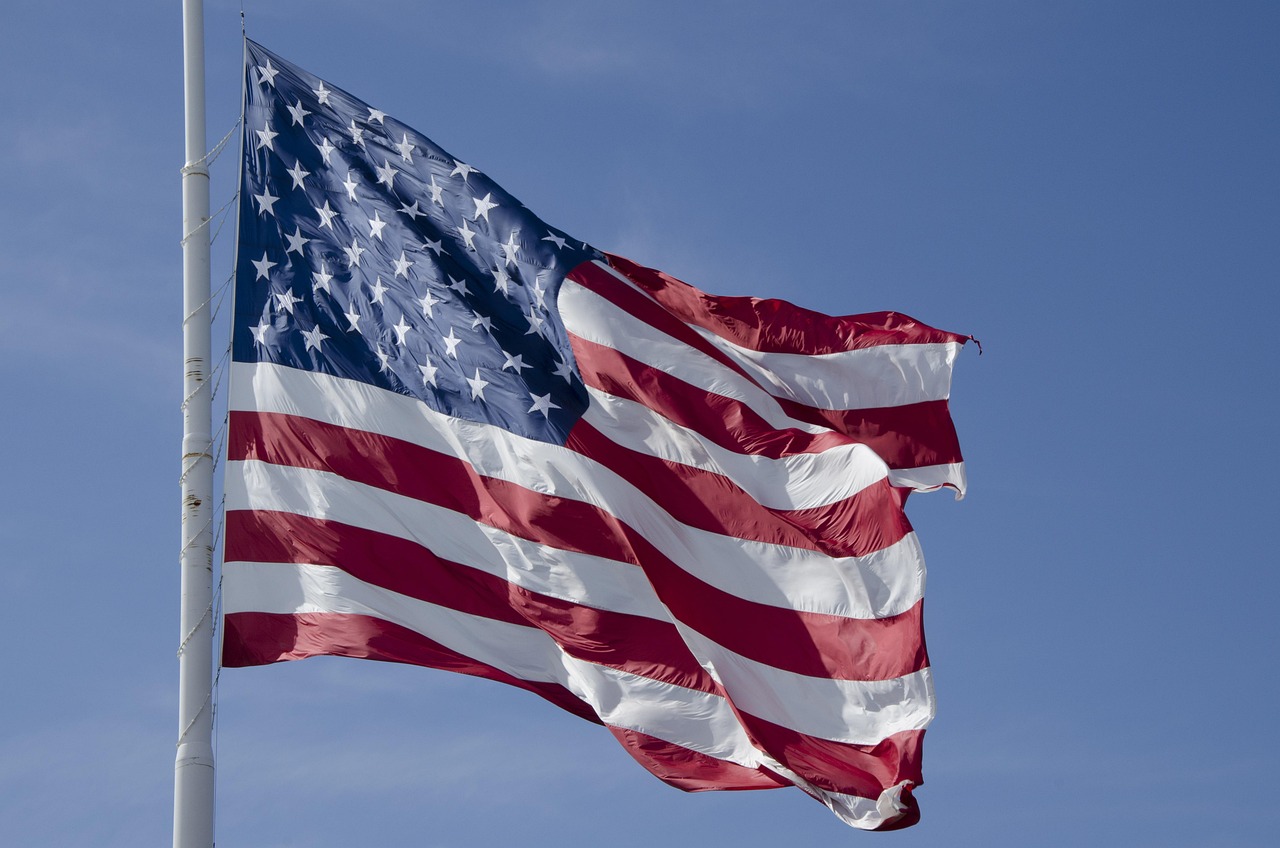
Building a comprehensive collection of US flags is a meaningful pursuit that can educate, inspire, and connect communities to their history. Once you've assembled a significant historical archive, consider sharing your collection to inspire others and preserve the stories behind each flag. Sharing your archive can take many forms, from local exhibits to online digital archives, each offering unique benefits.
Partnering with local museums, historical societies, or community colleges to host rotating exhibits can introduce your flags to a diverse audience. These settings provide an opportunity to educate people about the historical context and symbolism of each flag, fostering a deeper understanding of American history. Flag Day US flag store promotions often highlight the importance of these exhibits, encouraging the public to engage with and learn from your collection.
If you prefer a more digital approach, consider creating an online portfolio or website to showcase your archive. Documenting each flag's story, including its historical significance and the events it represented, makes your collection accessible to a global audience. This digital presence can also serve as a valuable educational resource for schools and researchers, who can use your archive to teach about American history, flag etiquette, and the symbolism behind the stars and stripes.
Top-rated US flag suppliers understand the importance of preserving and sharing history. When curating your own archive, reflect on the stories each flag represents and the role they played in shaping the nation. By sharing your collection, you contribute to a vibrant cultural dialogue about America's rich heritage. Whether through local exhibits or digital platforms, your historical US flag archive can become a powerful resource for education, inspiration, and community engagement.
Comparing US Flag Display Solutions for Your Historical Archive
This comparison highlights key differences between three approaches to building a US flag collection for a historical archive: specialized US flag stores, online retailers, and DIY fabric recreation.
| Feature | Specialized US Flag Store | Online Retailers | DIY Fabric Recreation |
|---|---|---|---|
| Key Features | Offers a wide range of authentic, historical flags. Expert advice available. | Wide selection of flags at various prices. Often feature unique and vintage items. | Allows for creative control and customization. Requires sewing skills and access to quality fabrics. |
| Best Use Cases | Ideal for archives with limited DIY capabilities or seeking official, high-quality flags. | Suitable for those with specific flag requests or on a budget. Good for smaller displays. | Best for dedicated enthusiasts with sewing skills aiming for a truly custom experience. |
| Strengths | Expertise, quality assurance, and a curated collection. | Convenience, price flexibility, and a vast selection. | Unmatched customization potential, historical accuracy through fabric choice. |
| Limitations | Limited flexibility in customization. Higher costs for rare or custom flags. | Slower delivery times, reliance on online images for accuracy. | Requires time, sewing skills, and access to suitable fabrics. |
| Cost/Performance | Premium pricing for quality, with custom flags costing significantly more. | Generally lower prices, but can vary greatly. | Highly variable; requires an investment in fabric and supplies, but allows for significant savings on mass-produced flags. |
Building a Living Archive: The US Flag Collection of the National Historical Society
Situation
The National Historical Society, a non-profit dedicated to preserving American history, faced a challenge: their collection of US flags, an integral part of their mission, was scattered and poorly documented. Old flags were stored haphazardly in various locations, and the organization lacked a systematic way to track and display them. This made it difficult to manage, exhibit, and share their extensive flag history with the public.
Action
Recognizing the need for a centralized and organized archive, the Society initiated a two-phase project. First, they hired a curatorial team to inventory and catalog every flag in their possession, noting details like date of acquisition, historical significance, and condition. Simultaneously, they constructed a dedicated physical space-a state-of-the-art flag display gallery-and developed a digital archive to house high-resolution images and comprehensive flag histories.
Result
The project resulted in a dramatic transformation. Within six months, the Society had cataloged over 200 flags, each with a detailed digital profile. The new display gallery, featuring flags from various eras and battles, became a popular attraction, drawing in over 15,000 visitors in its first year. The digital archive, accessible online, received nearly 50,000 hits monthly, showcasing the organization's commitment to preserving and sharing American history.
Frequently Asked Questions About US Flag Collection Building Your Own Historical Archive
What is the purpose of building a historical US flag archive?
Creating a historical US flag archive serves multiple purposes, from preserving significant moments in American history to fostering a deeper understanding of our nation's symbolism and values. It allows individuals, institutions, and communities to track changes in the flag design over time, commemorate important events, and educate future generations about the flag's significance. It can become a valuable resource for researchers, historians, and enthusiasts, showcasing the evolution of American identity.
Where can I start collecting US flags for my archive?
You can begin your collection at local historical societies, museums, and antique stores, where you might find vintage flags or items related to flag history. Online marketplaces and auction sites are also excellent resources, offering a wide variety of flags at different price points. When purchasing, consider the flag's age, condition, and historical significance. Always seek expert advice to ensure the authenticity and value of your acquisitions.
How do I properly display and store my collected flags?
Proper care is crucial for preserving your US flags. Store them in a cool, dry place, away from direct sunlight, extreme temperatures, and moisture. Avoid folding flags tightly; instead, roll them gently to prevent damage. When displaying, use appropriate hardware to ensure the flag is securely hung. Consider using acid-free fabric or boxes to store and display your flags, protecting them from environmental elements and handling.
What are some unique ways to display my US flag collection?
Displaying your collection creatively enhances its visual impact. Consider framing individual flags or creating a gallery wall with various flag sizes and designs. You could also design a flag-themed room or area, incorporating flags into your decor through tapestries, wall hangings, or even furniture. For outdoor displays, large flagpoles or flag displays with lighting can be striking, especially during celebrations or national holidays.
Can I make my own US flags or customize existing designs?
Absolutely! Creating or customizing US flags can be a rewarding part of building your archive. You can recreate historical flags using fabric and sewing skills or explore more artistic approaches like painting, crocheting, or knitting. Customization allows you to highlight specific events or add personal touches, making your collection unique. However, ensure that any modifications respect the flag's symbolism and significance.
Quick Reference
- Identify your collection's focus: Determine a theme or era to create a cohesive historical archive.
- Research flag history: Understand the evolution of designs and symbolism for accurate representations.
- Source authentic flags: Visit a US flag store or browse online for genuine, high-quality flags.
- Consider vintage and rare pieces: Include unique, older flags to add depth and value to your collection.
- Learn flag care: Properly store and maintain flags to ensure their longevity and preserve history.
- Document and catalog: Keep detailed records of each flag, including its history, origin, and significance.
- Display creatively: Explore various ways to exhibit your collection, from wall hangings to cases.
- Share your archive: Consider hosting events or creating an online platform to showcase your historical US flag collection.
Building a historical US flag archive is a meaningful endeavor that begins at the local US Flag Store. By researching rare and vintage pieces, curating themed collections, and conserving displays, you can create a valuable resource. Digitalizing and documenting your collection ensures its longevity and accessibility. Sharing your archive, whether through local events or online platforms, enriches the community and preserves the significance of these flags. These steps combine to create a living sign to our nation's history and values, making your US Flag Store a hub for education, pride, and cultural understanding.
Building a Comprehensive Historical Archive with US Flags
Researching at a US flag store is key to assembling a rich historical archive. These stores offer vintage and antique flags, staff insights, and wholesale options for diverse displays. Documenting and digitizing flags preserves history and enhances accessibility. Sharing your archive through exhibits or online platforms educates the public and preserves America's heritage. A US flag store serves as a hub for history, collection, and community engagement.