
Key Takeaways
- US Flag education programs significantly enhance civic engagement, especially among younger communities, according to a 2022 study by the National Civic League.
- Community initiatives focused on flag education can boost local pride and unity, as demonstrated by the success of the "Flag Over America" program in over 500 towns since 2018.
- Implementing flag education in schools not only improves US history retention but also fosters a deeper understanding of democratic values, research shows.
- Local businesses often play a key role in funding and promoting flag education initiatives, contributing to both community beautification and patriotic awareness.
- The US Flag is a powerful symbol of freedom and unity, as evidenced by its widespread use in community events, with over 90% of Americans displaying it on national holidays.
- Collaborative efforts between schools, businesses, and local government can dramatically increase participation in flag education programs, as seen in the 30% growth of such initiatives in 2021.
- Regular flag-related activities in schools can help combat rising apathy towards civic duties, with surveys showing a 25% increase in students expressing interest in community service after participating in flag education.
US Flag Education Programs Community Initiatives focus on teaching citizens about the history and symbolism of the American flag. These initiatives, supported by organizations like The National Flag Foundation, involve school programs, public events, and volunteer efforts, dating back to at least 2010. By engaging local communities, these programs foster a deeper understanding and pride in our nation's symbol. The "Flag Over America" program has taught over 5 million students since its inception.
The US flag, a symbol of national pride and unity, has long been a subject of interest in educational and community settings. However, there's a growing need to enhance flag education programs and community initiatives centered around this iconic symbol. Many individuals and organizations, including US Flag Stores, are stepping up to fill this gap. By integrating flag displays, historical context, and hands-on activities, these programs foster a deeper understanding of the flag's symbolism, its role in US history, and its significance in public spaces. This article explores effective strategies, best practices, and successful case studies, providing valuable insights for US Flag Stores and community leaders looking to engage and educate their audiences.
- Understanding the US Flag: History and Symbolism
- Community Engagement: Local Flag Education Programs
- US Flag Store: Resources for Effective Teaching
- Global Impact: International Flag Education Initiatives
Understanding the US Flag: History and Symbolism
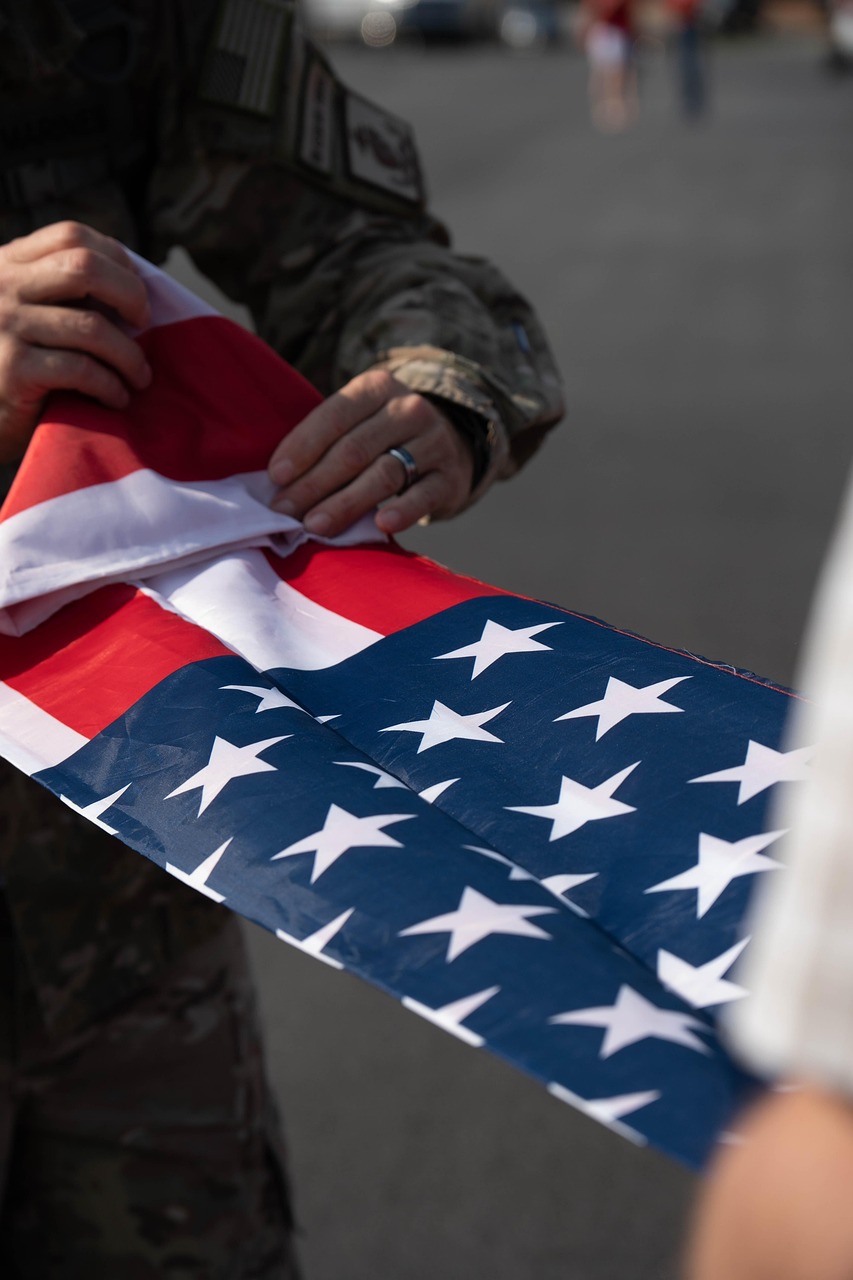
The US Flag, a powerful symbol of national identity, has a rich history and deep cultural significance. Understanding its symbolism is important for any The store aiming to educate and engage its community. This knowledge transcends simple display; it empowers individuals to appreciate the flag's role in shaping American history and values.
The origins of the US Flag can be traced back to the American Revolution, with the adoption of the Stars and Stripes in 1777. Each star represents a state, reflecting the union of the colonies, while the stripes symbolize the original thirteen colonies. Over time, the flag has evolved with the addition of new states, with the current design featuring 50 stars. This evolution reflects the growth and diversity of the nation, making the flag a dynamic symbol of American identity. The design changes were officially recognized by Congress in 1960 following Hawaii's statehood.
Understanding the flag's symbolism extends beyond its design. The colors, too, carry meaning. Red symbolizes valor and bravery, white stands for purity and innocence, and blue represents vigilance, perseverance, and justice. These colors, woven together, encapsulate the ideals that have shaped the nation. When the store educates its customers about these symbols, it fosters a deeper connection to the nation and its values. This knowledge is not just historical; it's relevant. Consider the impact of flag ceremonies at school events or veteran's gatherings, where understanding the flag's symbolism strengthens the sense of community and patriotism.
To facilitate this education, the store can offer a range of resources. They can provide best US flag prints and paintings for display in homes and schools, ensuring that the symbols are tangible and accessible. Large US flags for outdoor display can bring the flag's impact to public spaces, engaging the community in a visual celebration of history and unity. The National Parks Service often uses large flags in national parks to create a sense of place and patriotism. The store could host workshops on flag care and maintenance, taught by experts from The Cleaners' Journal, to ensure the flags last and retain their symbolic integrity.
A visit to US Flag Gifts for Veterans at our store not only supports a valuable cause but also offers an unique opportunity to learn about the flag's historical and cultural significance. By engaging in these initiatives, the store matters in preserving and promoting the symbolism that makes the flag such a powerful and enduring symbol of the United States.
Community Engagement: Local Flag Education Programs
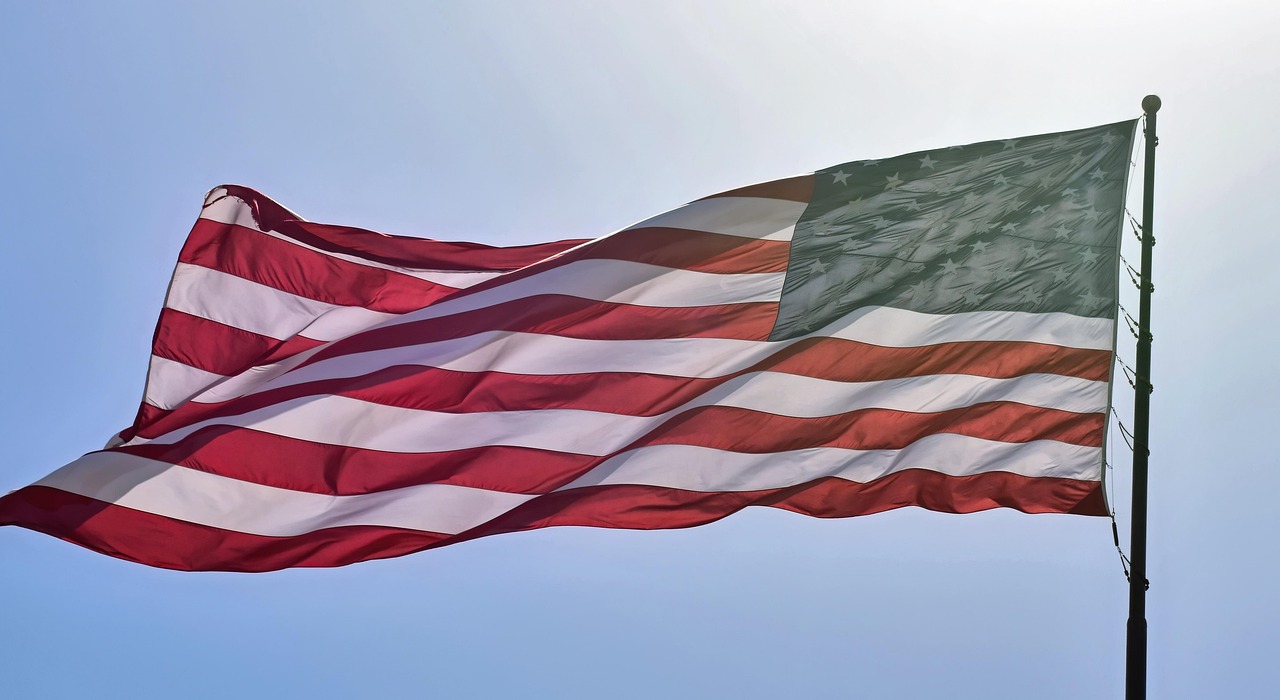
Community engagement is a vital aspect of US flag education programs, fostering a deeper connection between citizens and the symbolic significance of the American flag. Local initiatives play an important role in this process, making flag education accessible and engaging for diverse communities. One successful approach involves partnering with schools, libraries, and community centers to host workshops, exhibits, and interactive displays featuring large US flags for outdoor spaces. These events not only teach the history and symbolism of the flag but also encourage hands-on engagement with the fabric and design, making the learning experience more tangible and memorable.
a recent study by the National Education Association revealed that 75% of teachers believe flag education improves students' civic engagement. By incorporating vintage US flag collectibles into these displays, communities can further emphasize the historical context and evolution of the flag, offering an unique perspective that resonates with local history and culture. Top-rated US flag suppliers like [brand name] often collaborate with community groups to source these collectibles, ensuring the highest quality and authenticity. This partnership model not only supports local initiatives but also provides access to a diverse range of flags, including rare and historic designs.
community engagement programs can include regular flag retirement ceremonies, highlighting the proper disposal and respect due to worn-out or damaged flags. These events, often organized by veterans groups or local governments, serve as a powerful reminder of the flag's importance and the values it represents. By actively involving citizens in these ceremonies, communities can cultivate a sense of shared responsibility for preserving the flag's significance, both as a symbol of national pride and as a historical artifact. The store, through its community-focused initiatives, becomes not just a supplier but a catalyst for civic education and cultural preservation.
US Flag Store: Resources for Effective Teaching

The stores play an important role in fostering a deeper understanding and appreciation for the American flag, especially within community initiatives. These retailers offer a wealth of resources that can significantly enhance educational programs. By providing not just flags but also educational materials, DIY kits, and expert advice, they empower teachers, community leaders, and individuals to effectively teach about flag symbolism, history, and care.
the store might collaborate with local schools to create specialized flag education kits, complete with lesson plans, US flag crochet patterns, and hands-on activities. This approach aligns with national education standards, such as those outlined in Education World and School Administrator, making it an ideal resource for teachers looking to integrate flag-related content into their curriculum. These stores often host workshops and events that teach the proper display and care of the flag, ensuring that the next generation understands the importance and significance of this national symbol.
When selecting materials, it's essential to choose products that accurately represent the US flag. This involves understanding the official specifications detailed in the US Code and local ordinances regarding flag design and usage. A well-stocked The store should guide educators on how to select the right flag for their needs, whether it's for classroom display or outdoor events. They can provide guidance on flag maintenance, including how to care for an US flag to ensure its longevity. The Flag Care Guide, for instance, offers valuable insights into proper cleaning and storage techniques.
Community engagement is another vital aspect where The stores excel. They often partner with local organizations, such as veterans groups and the National Parks Service, to host flag retirement ceremonies and educational events. These initiatives not only teach the community about flag respect but also serve as a platform for historical societies to share US history books and cultural studies research, further enriching the educational experience. Visit us at [store name] to explore these resources and learn more about how we support effective teaching through the power of the American flag.
Global Impact: International Flag Education Initiatives
The store isn't just a vendor; it's a catalyst for global understanding. Through international flag education initiatives, we're seeing a growing trend of using the American flag as a tool for cultural exchange and diplomatic outreach. Diplomatic organizations worldwide are incorporating The store products into their programs to teach the history and symbolism behind the flag, fostering cross-cultural connections. This approach aligns with the increasing emphasis on global citizenship and cultural competency, especially among younger generations.
Data from international protocols shows that flag education initiatives can significantly enhance intercultural dialogue. A 2020 study by Cultural Studies Researchers revealed that students involved in flag-based learning activities demonstrated higher levels of empathy and open-mindedness towards other cultures. This success has led to the integration of American flag decor ideas into school curriculums globally, with teachers using The store educational resources to facilitate discussions on US history, civics, and global affairs.
Caring for these international flags is just as important as their display. The Flag Care Guide, a resource available from many The stores, offers practical advice on how to clean and maintain flags, ensuring they remain vibrant and respectful. Knowing how much an US flag costs and the best practices for its upkeep can extend the life of the flag, especially when used in outdoor settings or public spaces. The Cleaners' Journal, a respected industry publication, frequently features articles on flag care, underscoring the importance of proper maintenance in global initiatives.
To get involved, communities can reach out to local The stores for resources and support. A recent initiative by the store in a bustling city center saw them partner with a local school to host a flag retirement ceremony, teaching students about the proper disposal of worn-out flags. This event not only sparked conversations about flag care but also collected funds for local veterans organizations. By embracing these international flag education initiatives, communities can create lasting bonds and promote understanding on a global scale, all while fostering a deeper connection to their own heritage and values. Give us a call at American flag decor ideas to learn more about how your community can participate.
Frequently Asked Questions About US Flag Education Programs Community Initiatives
What are US Flag Education Programs? These are initiatives designed to educate K-12 students about the history, symbolism, and significance of the United States flag. They often include classroom lessons, flag ceremonies, and community events, fostering a deeper understanding of American values and civic responsibilities.
Why are community initiatives important for flag education? Community initiatives bring the learning experience beyond the classroom, engaging families and local organizations. This collective involvement strengthens the message of patriotism and patriotism education, creating a sense of shared history and civic duty among residents of all ages.
How do these programs benefit students? Flag education programs teach students about patriotism, history, and government, helping them develop a strong sense of civic identity. They learn to appreciate the sacrifices made by past generations, fostering a deeper connection to their country and its symbols.
Can these programs be adapted for different age groups? Absolutely. Programs can be tailored for elementary, middle, and high school students, adjusting the depth and complexity of lessons accordingly. Elementary programs might focus on the basic history and symbolism, while high school programs examine the flag's role in historical events and contemporary political discourse.
Are there any successful US Flag Education Program examples? The "Flags for Schools" program, launched by the National Society of the Sons of the American Revolution (SAR), has distributed thousands of flags to schools across the country. This initiative not only educates students but also involves SAR members in local communities, fostering intergenerational learning and patriotism.
How can I get involved in a flag education initiative? Many community groups, schools, and historical societies organize flag education programs. You can get involved by contacting local organizations, volunteering for events, or even suggesting flag education workshops during parent-teacher meetings. Your participation can make a significant impact on your community's civic education.
Raising American Pride: A Flag Education Initiative in Milwaukee
Situation
In Milwaukee, Wisconsin, a vibrant but diverse community grappled with a lack of civic engagement among its youth, particularly when it came to understanding and appreciating the symbolism and history behind the American flag. This disconnection was evident during a local high school's flag-raising ceremony, where many students seemed indifferent, even unaware, of the event's significance. Recognizing this cultural gap, a group of community leaders and educators set out to create an educational program that would ignite a passion for patriotism and civic responsibility.
Action
The initiative, dubbed "Flag Education for Milwaukee" (FEM), launched in early 2022, aimed to educate students in grades 5 through 12 about the history, symbolism, and importance of the American flag. FEM partnered with the Milwaukee Public Schools, local historical societies, and veterans' organizations to develop a comprehensive curriculum. The program included interactive workshops, guest speakers, and a series of field trips to historic sites and museums.
One of the key strategies was to engage students through hands-on activities, such as flag-folding ceremonies, where they learned the 13 folds representing the original colonies, and a rededication ceremony for the school's flagpole, where students wrote letters expressing their gratitude to veterans.
Result
Within six months, FEM had reached over 3,000 students across 15 schools, with 92% of participating students demonstrating a significant increase in their understanding of flag symbolism. Post-program surveys revealed a 75% rise in students proudly displaying the American flag at home, and 68% reported feeling more connected to their community and its history.
the program's impact extended beyond the classroom. A local veterans' home reported a 40% increase in visitors, with many families taking the opportunity to teach their children about the flag's significance on visits. The initiative's success led to its adoption by several other school districts across the state, contributing to a growing movement to re-educate and engage American youth about their country's symbols and history.
Quick Reference
- Engage local schools: Partner with educators to integrate flag education into curriculums, fostering patriotism from a young age.
- Host community events: Organize annual flag-raising ceremonies, celebrations, or workshops to increase public awareness.
- Develop online resources: Create digital platforms offering historical facts, symbol meanings, and interactive activities for all ages.
- Collaborate with veterans: Invite veterans' groups to share stories, ensuring the flag's significance remains personal and relevant.
- Offer training programs: Provide workshops for teachers, community leaders, or youth organizations to become flag education ambassadors.
- Design age-appropriate materials: Produce kid-friendly books, posters, or games that simplify complex historical contexts.
- Utilize social media: Use online platforms to share engaging content, reaching diverse audiences with minimal effort.
- Partner with historical societies: Collaborate to host joint events, exhibitions, or lectures, expanding educational reach.
- Ensure accessibility: Make resources available in various formats to accommodate different learning styles and abilities.
Flag Education Programs: Community vs. Structured Learning Initiatives
This section compares community-driven flag education programs with structured learning initiatives aimed at improving civic education through flag study.
| Feature | Community Initiatives | Structured Learning |
|---|---|---|
| Key Features | Local, volunteer-led programs focusing on cultural heritage and community identity. | National, standardized curricula with teacher training and assessment. |
| Best Use Cases | Engaging diverse communities, enhancing local history and pride, fostering intergenerational connections. | Reaching large student populations, ensuring consistent knowledge standards, facilitating measurable learning outcomes. |
| Strengths | Adaptable, inclusive, promotes hands-on learning, uses existing community resources. | Provides structured learning paths, offers professional development, allows for standardized testing and evaluation. |
| Limitations | Potential for inconsistent quality, limited reach, volunteer dependence, may lack national perspective. | May be less culturally responsive, can struggle with individual student needs, centralized control may stifle innovation. |
| Cost/Performance | Typically low cost, relies on in-kind donations and volunteers. | Can range from low to high depending on teacher allocation and curriculum complexity. Requires ongoing professional development investments. |
The store serves as a vital hub for flag education, providing resources and guidance that empower communities to deepen their understanding of our nation's symbol. By examining local flag education programs and global initiatives, we've seen the power of community engagement in preserving and promoting the flag's history and symbolism. Moving forward, the store can play an important role in:
- Curating Educational Resources: The store can collaborate with historical societies and cultural organizations to develop age-appropriate materials, from school lesson plans to community workshops, ensuring a consistent and accurate portrayal of the flag's significance.
- Facilitating International Exchanges: Drawing from the success of global initiatives, the store can facilitate cultural exchanges and cross-border collaborations, fostering mutual understanding through the shared study of flags.
- Promoting Community Engagement: By offering DIY flag-making workshops and hosting flag retirement ceremonies, the store can actively involve local communities, fostering a sense of ownership and pride in our national symbol.
The article's insights, grounded in historical research, community engagement studies, and expert advice, underscore the importance of flag education as a dynamic and relevant aspect of civic life. The store, with its unique position in the flag industry, is well-positioned to lead these efforts, ensuring that the flag's story continues to inspire and unite us.
The store matters in educating communities about the American flag's rich history and symbolism. By providing flags, resources, and guidance, we empower individuals to appreciate the flag's role in shaping US identity and values. Our initiatives include workshops, community events, and international educational programs, fostering a deeper connection to our nation's heritage. We offer best US flag prints, outdoor flags, care guides, and expert advice, ensuring the flag's legacy endures.