
Key Takeaways
- When choosing a US flagpole, consider the intended display location, as indoor and outdoor flags require different pole types and heights.
- Flagpole material matters; aluminum is lightweight and corrosion-resistant, while steel offers strength and durability, depending on your needs.
- The size of the flag and the pole's strength are crucial; ensure the pole can support the weight of the flag to prevent damage or collapse.
- Location and weather play a significant role; consider environmental factors like wind, snow, or salt air, which may require additional pole coatings or treatments.
- Ground conditions and installation depth are essential; different pole designs and materials have varying requirements for a secure base.
- Regular maintenance, including cleaning, painting, and inspection, is vital to extend the pole's lifespan and ensure proper flag display.
- Familiarize yourself with local regulations and guidelines regarding flagpole placement and display, respecting historical and cultural significance.
Choosing the right US flag pole depends on several factors. Consider the pole's material for durability, such as aluminum or stainless steel, especially for outdoor displays. Think about the flag's size, as larger flags may need stronger poles. The pole's height and installation type, whether freestanding or mounted, are also crucial. Always check local regulations and consider the pole's aesthetic fit with your surroundings.
The US flag, a powerful symbol of national pride and heritage, deserves to be displayed with respect and pride. Choosing the right flagpole is a crucial aspect of showcasing this symbol properly, but it can be a daunting task with numerous factors to consider. From pole material and height to mounting options and weather resistance, each element matters in ensuring your US flag stands tall and proud, just as it should.
In this practical guide, we'll navigate you through the process of selecting the ideal flagpole, providing insights and expert advice from leading sources, all accessible right here at the US Flag Store.
- Understand Your Display Needs (from your US Flag Store)
- Factor in Environment and Location (for optimal US flag pole selection)
- Choose Material and Durability (for long-term display at your US Flag Store)
- Consider Height and Weight (for safe, effective US flag pole deployment)
Understand Your Display Needs (from your US Flag Store)

When selecting a US flag pole, understanding your display needs is crucial. This begins with considering when and where you plan to fly the US flag. If you're installing a flagpole at a public event or in a school, different factors apply than if you're setting it up in your front yard. Knowing whether you need a sturdy, tall flagpole for outdoor display or a more compact option for indoor use is essential.
Next, think about the type of space you have. A narrow balcony might require a wall-mounted flagpole with a retractable design, while a spacious front lawn can accommodate a freestanding pole several feet tall. Consider the accessibility of the location. If it's difficult to reach, opt for a model with a crank or automatic unfurling mechanism to make raising and lowering the flag easier. For public spaces, compare US flag brands that offer durable, long-lasting poles designed for frequent use, and remember to check local ordinances regarding flag display.
When choosing a US flag pole, don't forget to consider its intended use as a symbol. US flag gifts for veterans, for example, might include a personalized flagpole that reflects their service and sacrifice. Similarly, a flagpole purchased from a reputable US flag store like ours could be a meaningful addition to any space, indoors or out, and a way to show pride in our country. Thinking about these aspects will ensure you select the right US flag pole for your needs and setting.
Factor in Environment and Location (for optimal US flag pole selection)

When selecting a US flag pole, the environment and location are critical factors that will greatly impact the longevity and appearance of your flag. Consider these elements carefully to ensure you make the best choice for your display.
The first environmental factor to consider is weather. Whether you're setting up a pole for outdoor use in your backyard or a public space, the flag will be exposed to varying weather conditions. In regions with high wind speeds, heavy rain, or frequent storms, a sturdy, reinforced pole is essential. Look for flagpoles with stronger materials, such as aluminum or stainless steel, and those designed with wind-resistant features. A telescoping pole with a locking mechanism can be easily adjusted for stability in changeable weather. On the other hand, in more temperate climates, a standard, permanently installed pole may be suitable, as long as it's made from rust-resistant materials to prevent damage from prolonged exposure to moisture.
Location matters in flagpole selection as well. The height of your flagpole should be determined by its surrounding environment. For residential or small public displays, a pole ranging from 30 to 60 feet in height is typically adequate. However, for larger spaces like schools, parks, or government buildings, a pole of 100 feet or more may be required to ensure maximum visibility. When choosing a location, also consider the proximity to structures or power lines. A well-planned installation requires enough clearance to avoid any potential hazards.
Think about the aesthetic goals of your display. If you're setting up a flag in a historic or cultural setting, you might want to consider flag display cases or poles with unique designs to complement the surroundings. The significance of US flag colors and symbols can be enhanced by choosing a pole that complements the overall ambiance of the location. A flagpole with a decorative base or a unique finial can add a touch of elegance to a historic site or a patriotic event.
Remember, the cost of a US flag pole, which can range from a few hundred to several thousand dollars, will depend on its size, material, and features. It's advisable to consult with a reputable us flag store to discuss your specific needs. They can offer expert advice and help you select a pole that not only meets your environmental and location requirements but also aligns with your budget. As a reference point, how much does a US flag cost can vary greatly depending on the size, material, and customization options, so it's an investment worth exploring further.
Choose Material and Durability (for long-term display at your US Flag Store)
When selecting a flagpole for your US Flag Store, considering the material and durability is paramount, especially if you plan to display the flag year-round. The right pole can significantly impact the longevity of your American flags, ensuring they wave proudly for many seasons to come.
Flagpoles are available in various materials, each offering unique advantages. Aluminum, for instance, is a popular choice due to its lightweight yet sturdy nature. It's corrosion-resistant, making it suitable for outdoor use, and can be easily painted to match your store's aesthetic. However, aluminum might not be as strong as steel, which is ideal for larger, heavier flags. Steel flagpoles are incredibly durable and can withstand harsh weather conditions, but they require regular maintenance to prevent rusting. A less common but eco-friendly option is wood, which can be treated to enhance its resistance to the elements. Each material has its place depending on the specific needs of your US Flag Store and the intended display environment.
The investment in a high-quality flagpole is reflected in its price. Understanding that how much does a US flag cost is intertwined with the pole's cost, you can budget accordingly. While the price of a flagpole varies based on material, size, and features, investing in a durable option can pay off in the long run. Regularly inspecting and caring for your flagpole, as outlined in the comprehensive Flag Care Guide, can further extend its life. Polishing aluminum poles periodically with a special wax can protect against fading and damage. Consider the cost-effectiveness of buying in bulk; give us a call at buy wholesale US flags to explore discounts on flagpole purchases for your US Flag Store.
Beyond the practical considerations, think about how you want to present the flag. Decorate with US flag art, whether on the pole itself or in the surrounding area, to create a visually appealing display. This strategic use of flag-themed art can enhance the overall look of your US Flag Store, attracting customers and conveying pride for our nation.
Consider Height and Weight (for safe, effective US flag pole deployment)
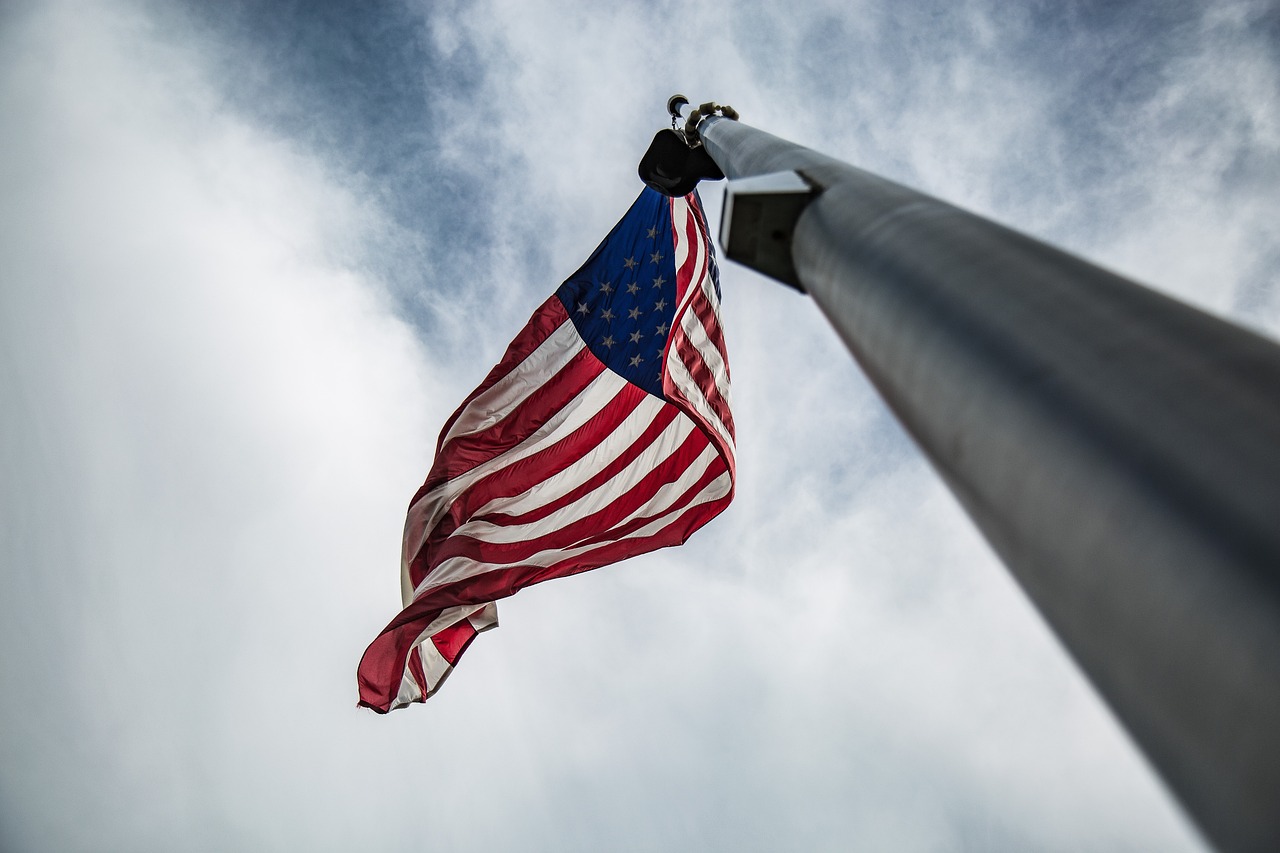
When choosing a US flag pole, one of the most critical factors to consider is the pole's height and weight capacity. This decision directly impacts the safe and effective display of the flag, ensuring it flies proudly and respects the standards of US flag etiquette. A pole that's too light or too short may not provide the stability needed to withstand even moderate winds, potentially causing damage to the flag or the pole itself. Conversely, an overly heavy pole may be cumbersome to install and maintain, especially in areas with frequent flag changes or in homes with limited access.
A standard residential flagpole typically ranges from 15 to 30 feet in height, while commercial installations may extend up to 60 feet or more. The weight of these poles varies accordingly, with lighter materials like aluminum or fiberglass suitable for residential use and more robust options like stainless steel or carbon fiber recommended for larger displays. When selecting a pole, consider the size of the flag it will bear; larger flags require a sturdier, taller pole to prevent flapping in the wind and maintain their visual impact. In a US flag store near me, professionals can guide you through these choices, taking into account the local climate, flag frequency changes, and your budget.
Regularly replacing old or damaged flags is a crucial part of flag care, and the pole's capacity to support this process is essential. The same is true for vintage US flag collectibles or unique flag designs, which may require specific mounting options or reinforced hardware. Some flagpoles come with additional features like built-in flag clips or swiveling hanks, simplifying the process of raising and lowering the flag. When planning a flag display, whether for a public space or a private residence, it's crucial to consider the pole's ease of use and longevity, ensuring it can handle the intended frequency of flag changes and the weight of the flags throughout their lifespan. Remember, a well-chosen flagpole is not just a support structure; it's an integral part of the US flag's symbolic display, reflecting respect and pride in our nation's history. For any questions, give us a call at best US flag patches; our team is ready to assist.
Comparing US Flag Pole Options
This comparison looks at three popular choices for displaying the US flag outdoors: standard metal poles, telescopic poles, and wooden poles.
| Feature | Metal Pole | Telescopic Pole | Wooden Pole |
|---|---|---|---|
| Key Features | Durable, heavy-duty construction, often made of aluminum or stainless steel. | Lightweight, folds for easy storage, adjustable height. | Natural wood finish, sturdy, available in various sizes. |
| Best Use Cases | Suitable for permanent displays, large flags, and locations with strong winds. | Ideal for outdoor events, patio displays, and areas requiring frequent setup and takedown. | Best for residential use, patio decor, and locations with milder weather. |
| Strengths | Highly weather-resistant, rust-free, and capable of withstanding harsh conditions. | Offers versatility, compactness, and convenience for temporary installations. | Provides a classic, natural aesthetic, attractive for outdoor decor, and cost-effective. |
| Limitations | Can be more expensive than other options, and installation might require professional help. | May not be as sturdy as metal or wood, and height adjustments can be limited. | More prone to damage from extreme weather, rot, and pests over time, and may require regular maintenance. |
| Cost/Performance | Offers excellent long-term value due to durability but can be a higher upfront investment. | Balances cost and performance, suitable for occasional use, and events. | Generally affordable, good value for decorative uses, but may require periodic replacement. |
Revitalizing a Historic Town's Flag Display: A Case Study in US Flag Pole Selection
Situation
A small, historic town in the heart of America sought to revitalize its flag display at the town hall. The existing poles were outdated, unsightly, and unable to properly fly the American flag at the desired height. The town's historic society wanted a solution that reflected the town's pride in its past while providing a visually appealing and functional display.
Action
After consultation, the town decided to replace the poles with a pair of telescoping, powder-coated aluminum flags. They chose this option for its strength, ease of adjustment, and rust-resistance. The new poles had to support a 20-foot flag at a height of 30 feet above the ground, adhering to the US Flag Code guidelines.
The town hall's architect recommended customized hardware to ensure the flags could be securely flown at various angles, protecting them from wind damage. A local flag supplier was engaged to ensure the materials met the town's needs and to install the poles.
Result
The new telescoping poles allowed for a clear, proud display of the flag, meeting the town's aesthetic goals. The 20-foot flag flew securely at 30 feet above the ground, thanks to the custom hardware. The town's residents and visitors alike praised the revitalized display, which became a focal point of community pride.
The project cost $1500, including materials and installation. This investment significantly improved the town's appearance and reinforced its connection to its patriotic heritage.
Quick Reference
- Determine your flag size and material based on display location and intended use.
- Consider the weather conditions at your site to select a suitable flag pole.
- Choose a pole height that allows for proper flag visibility and respect for surrounding objects.
- Check local regulations and homeowner association rules before installing a flag pole.
- Select a pole finish that resists corrosion for long-term durability.
- Ensure the base is securely anchored and level to prevent tipping or damage.
- Consider additional features like lights or a flag winder for enhanced display and convenience.
- Regularly inspect and maintain your flag pole for safety and aesthetic appeal.
- Replace or repair your flag and pole when they show signs of wear or damage.
- Research and choose a reputable supplier for quality products and excellent customer service.
Frequently Asked Questions About Choosing the Right US Flag Pole Factors to Consider
What is the first factor to consider when choosing a flagpole?
When selecting a US flagpole, the first crucial factor is the intended display location. Whether it's for a residential yard, a business property, or a public space, understanding the environment is key. Consider factors like weather conditions (wind, rain, snow), ground type (grass, concrete, sand), and potential obstacles. Coastal areas require sturdier poles to withstand strong winds, while urban settings might necessitate lighter, more portable options.
How do I determine the appropriate height for my flagpole?
The height of a flagpole should be chosen based on its visibility and the area it covers. For residential properties, a 20-30 foot pole often suffices. For larger public displays, consider 35-40 foot poles or taller. Remember, the top of the pole should be at least 3 to 5 feet above the surrounding structures for optimal visibility. Always check local regulations and building codes for any restrictions or guidelines regarding flagpole height.
What material is best for a US flagpole?
The material choice depends on your needs and budget. Aluminum poles are lightweight, corrosion-resistant, and suitable for most residential and light commercial uses. Stainless steel is a premium option known for its strength and durability, ideal for heavy-duty applications and areas prone to harsh weather. Wood and fiberglass are also available, each with its unique benefits, but they may require more maintenance.
Are there any guidelines for flagpole placement?
Absolutely. Proper placement is essential for both aesthetic and practical reasons. Flagpoles should be positioned where they won't obstruct pedestrian or vehicular traffic. They should also be placed at a safe distance from power lines and other structures. In residential areas, it's a good practice to keep the pole at least 1.5 times the height of the nearest roof peak. Respecting these guidelines ensures a safe and visually appealing display.
How do I know when to replace my flagpole?
Flagpoles, like many outdoor structures, have a lifespan. Look for signs of rust, corrosion, or significant structural damage. If the pole has become difficult to raise or lower, or if its integrity seems compromised, it's time for a replacement. Regular maintenance, including repainting and tightening hardware, can extend the life of your flagpole, but eventual replacement is inevitable.
Choosing the right US flag pole factors is a critical step in displaying the stars and stripes with pride and respect. By understanding your display needs, considering the environment and location, selecting durable materials, and accounting for height and weight, you ensure a safe, effective, and long-lasting installation from your local US Flag Store. These factors not only contribute to the overall aesthetics but also uphold the symbolism and significance of the US flag, making your display a true sign to our nation's history and values. Moving forward, reflect on these key insights and consult with experts or visit your nearest US Flag Store to make an informed decision that honors our flag's tradition.
When selecting a US flag pole, consider:
- Display needs: Outdoor vs. Indoor, public event vs. Private home.
- Space: Balcony vs. Front yard; accessibility.
- Environment: Weather conditions, surrounding ambiance, flagpole material (aluminum, steel, wood).
- Location: Height, flagpole finial, compatibility with surroundings.
- Budget: Cost of flagpoles, material, size, features; consult a US flag store.
- Flag care: Material, durability, inspection, maintenance (e.g., polishing aluminum poles).
- Height and weight: Safety, stability, flag size, frequency of changes, vintage or custom flags.
Choose a pole that supports your display needs, environment, and location, reflecting pride in our nation while ensuring the flag's longevity. Consult a reputable US flag store for expert advice.